
Nostalgie du Futur “Le Japonisme”
Nostalgia of the Future – Japonism
A Trilogy Connecting Japonism’s Past and Future: Intersections That Transcend Generations and Cultures
Art Nouveau was an art movement influenced by Japonism. Avant-garde artists of this time period would dream of the Orient, a place they had never once set foot in, and create works that envisioned the Future.
To us, the Future they envisioned is the Present, a time in which we create music bolstered by state-of-the-art music recording technology. And this will one day become the Past to those in the future.
Those of us who live in modern society have cultivated our minds through the legacies of artists past, but how do we incorporate this into our music? How do we use our performances and recordings to share this with the world? And how do we cast our vision onto the future we see in our minds?
Throughout the Nostalgia of the Future series, intersections between eras and art are depicted through three elements: Japonism, which spread through the West at the end of the 19th century; the works of avant-garde composers of the same period; and the works of later composers whom they inspired.
Following on from Nostalgia of the Future – Japonism‘s three parts, Vol. 1 – Japonism, Vol. 2 – The Orient and Japan, and Vol. 3 – A Collection of Little Masterpieces, the series continues to unfold with Nostalgia of the Future – Harmonia, consisting of Vol. 4 – Harmonia I and Vol. 5 – Harmonia II.
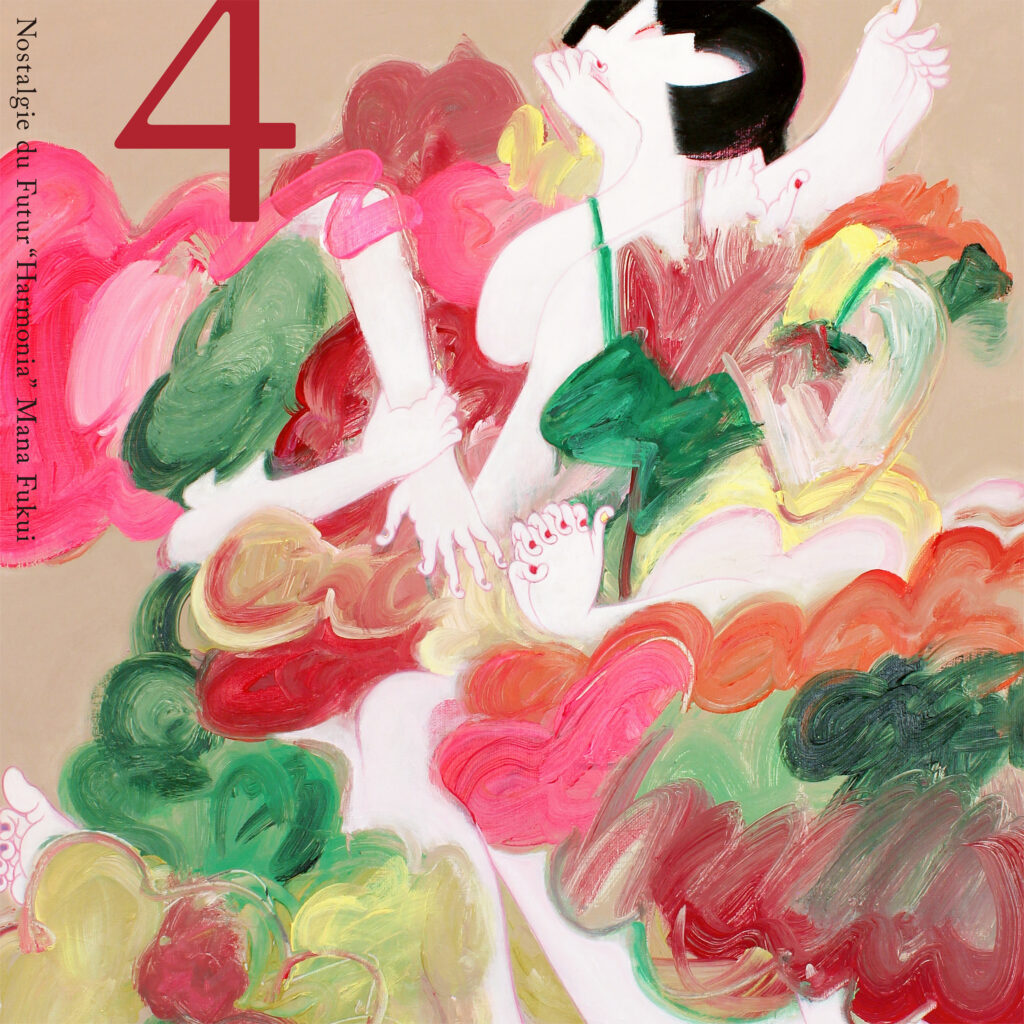
Vol. 4 – Harmonia I features a complete piano solo performance of Pictures at an Exhibition, a work by Russian composer Mussorgsky, who lived during the same era in which Japonism was sweeping across Europe.
Vol. 5 – Harmonia II includes recordings of Reich’s Six Pianos, a work that employs multitrack recording in which six pianos are arranged in a circle, Rachmaninoff’s Vocalise, and Mozart’s Ave verum corpus (arr. Liszt).
From Nostalgia of the Future – Japonism to Nostalgia of the Future – Harmonia, experience the interweaving of different cultures and eras across all five albums.
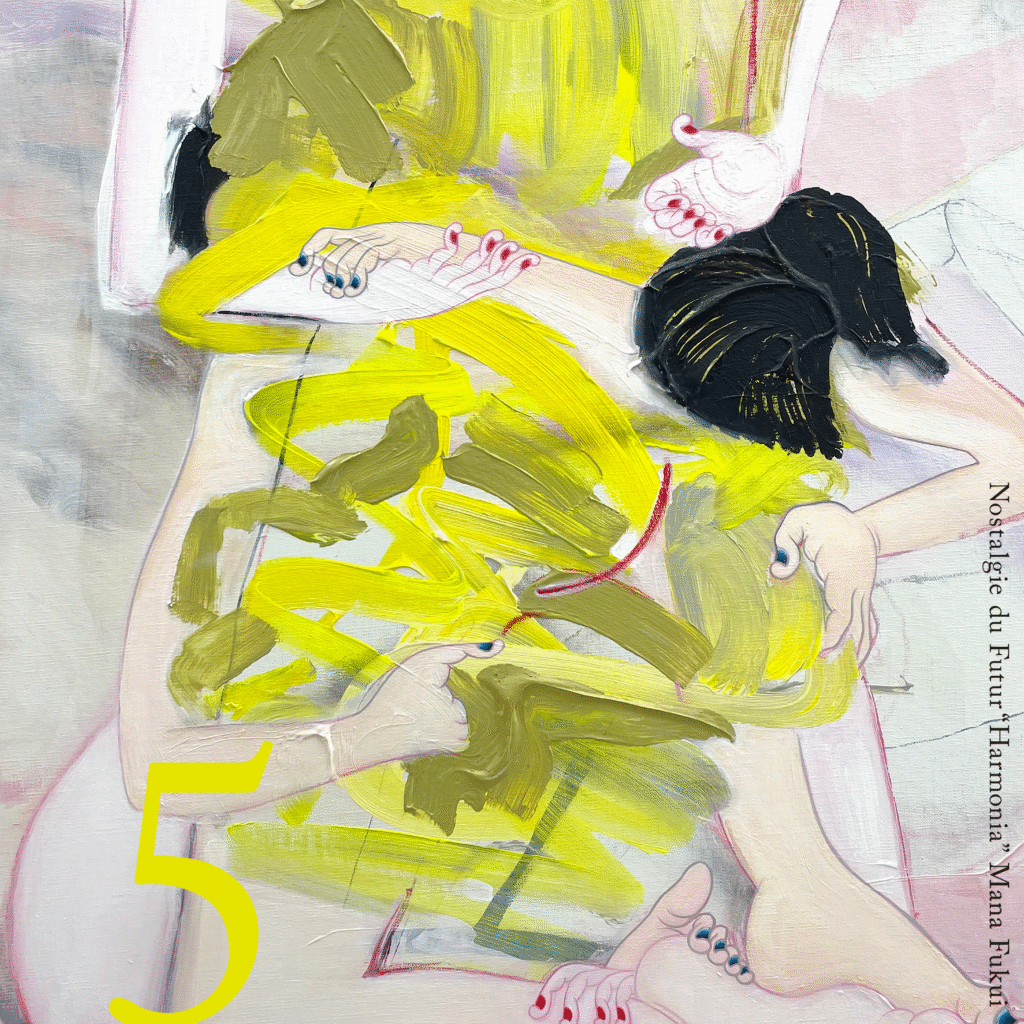
Nostalgia of the Future – Harmonia
Pianist Mana Fukui’s Nostalgia of the Future consists of five works: the Nostalgia of the Future – Japonism trilogy, comprising Vol. 1 through Vol. 3, and the two-part Nostalgia of the Future – Harmonia.
The two-part Nostalgia of the Future – Harmonia blurs the boundaries of relationships such as contrast, opposition, distance, and fusion, bringing together different styles, eras, and ideas, and inviting us on a journey to discover new possibilities for harmony.
We recommend listening to it alongside Nostalgia of the Future – Japonism.
L’art japonais est un « art nouveau » qui aura un large impact sur la créativité européenne
“Japanese art is Art Nouveau (a new art), and will surely have an enormous influence on the world of European creativity.”
Siegfried Bing, Art Dealer, 1838-1905
Japanese art, with an emphasis on ukiyo-e, was exhibited for the first time in the late 19th century at the Paris Exposition, an event that spanned five separate occasions. This brought in the Japonism craze, which had a tremendous impact. Rather than becoming a mere fad, it had a definitive effect on art as it transformed from impressionism to modernism, serving as the starting point for art movements from the 20th century onward.
This held true for not only art but music as well. Many composers were influenced by Japonism from the late 19th century to the early 20th century.
Ravel, born in 1875, lived his impressionable youth during the Paris Exposition and later composed “Jeux d’eau” as an overview of his time at the Paris Conservatory in 1901. Prior to this, piano pieces had consisted of classical elements, but Ravel’s “Jeau d’eau” paved the way to a new realm by incorporating harmonies based on the pentatonic (5-note) scale.
Debussy, who was born in 1862, then premiered “Images” in 1903, in which he used pentatonic scales to evoke the Oriental world. This established a piano composition style used in impressionist music.
Oriental musical patterns gave birth to a new color palette completely different from 19th-century romanticism, and this trend was the beginning of a new modern and contemporary music world that followed. Eastern Europe gave birth to innovative music techniques that utilized its ethnic characteristics. Meanwhile, Toru Takemitsu was tremendously influenced by composers like Debussy and established a world of passed-down beauty.
Art Nouveau was an art movement influenced by Japonism. Avant-garde artists of this time period would dream of the Orient, a place they had never once set foot in, and create works that envisioned the Future. To us, the Future they envisioned is the Present, a time in which we create music bolstered by state-of-the-art music recording technology. And this will one day become the Past to those in the future. Those of us who live in modern society have cultivated our minds through the legacies of artists past, but how do we incorporate this into our music? How do we use our performances and recordings to share this with the world? And how do we cast our vision onto the future we see in our minds?
Please listen to Nostalgia of the Future – Japonism and enjoy a world of sound that spread worldwide, spurred on and inspired by a sharing of cultures between France and Japan during modern and contemporary times.
Mana Fukui (Pianist and Curator of this Collection)
Nostalgie du Futur “Le Japonisme”
– Nostalgia of the Future – Japonism –
Mana Fukui
Date and Location of Recording: Jan. 11-14 and May 16-19, 2024, in Yatsugatake Yamabiko Hall
Stereo and Dolby Atmos versions of this collection can be enjoyed on all types of music subscription services.
*Services that provide this collection are subject to change at the distributor’s discretion.
Vol. 1:
Nostalgia of the Future – Japonism
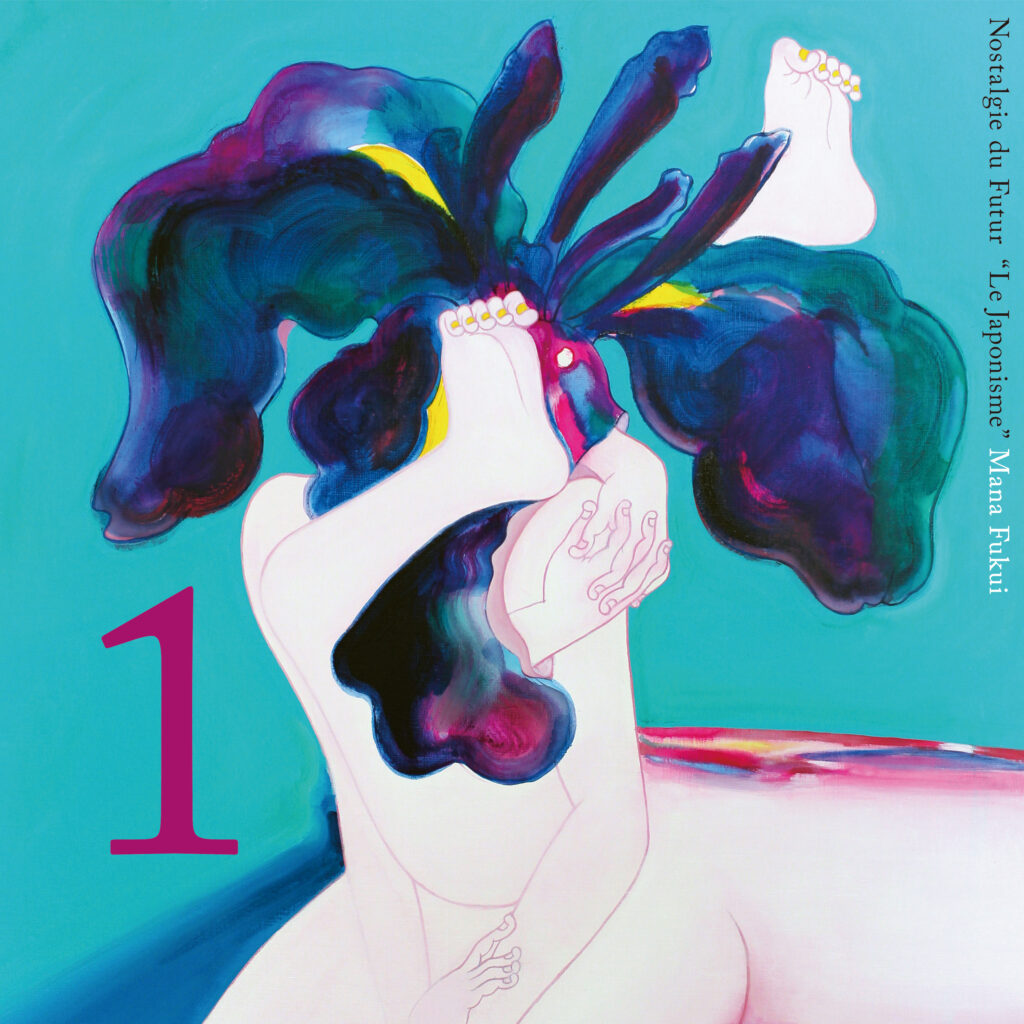
Nostalgie du Futur “Le Japonisme” 1
Vol. 1 – Japonism uses piano pieces composed by Debussy and Ravel to explore the dainty, whimsical influence that late 19th-century Japonism had on French music.
Debussy’s Images II, composed in 1907, reflects Debussy’s deep interest in the Orient, as shown by his use of bells, the moon, a temple, and golden fish as major themes in his works. He also composed his compilation of preludes from December 1909 to April 1913 as a homage to Frédéric Chopin’s 24 Preludes. Images II could be considered the culmination of Debussy’s career as a piano composer.
“Jeux d’eau” not only definitively established Ravel’s musical individuality but also served to influence Debussy and other composers of his time. Listeners can feel his pursuit of a new sound inspired by his interest in the East, while also expressing the sensation of water through sound. In addition, “Little Ugly Girl, Empress of the Pagodas,” a piece in the Ma Mère L’Oye suite, is memorable for its use of decorative sounds to bring color to a fairytale set in a distant land.
Track List
| 1 | Images II: Bells Through the Leaves | Claude Debussy |
| 2 | Images II: And the Moon Sets over the Temple That Was | Claude Debussy |
| 3 | Images II: Goldfish | Claude Debussy |
| 4 | Jeux d’eau | Maurice Ravel |
| 5 | Ma Mère L’Oye Suite: Little Ugly Girl, Empress of the Pagodas | Maurice Ravel |
| 6 | Préludes, Book 2: Bruyères | Claude Debussy |
| 7 | Préludes, Book 1: La fille aux cheveux de lin | Claude Debussy |
| 8 | Préludes, Book 1: La cathédrale engloutie | Claude Debussy |
 Listen on Apple Music
 Listen on Amazon Music
 Listen on Spotify
 Listen on YouTube Music
Vol. 2:
Nostalgia of the Future – The Orient and Japan
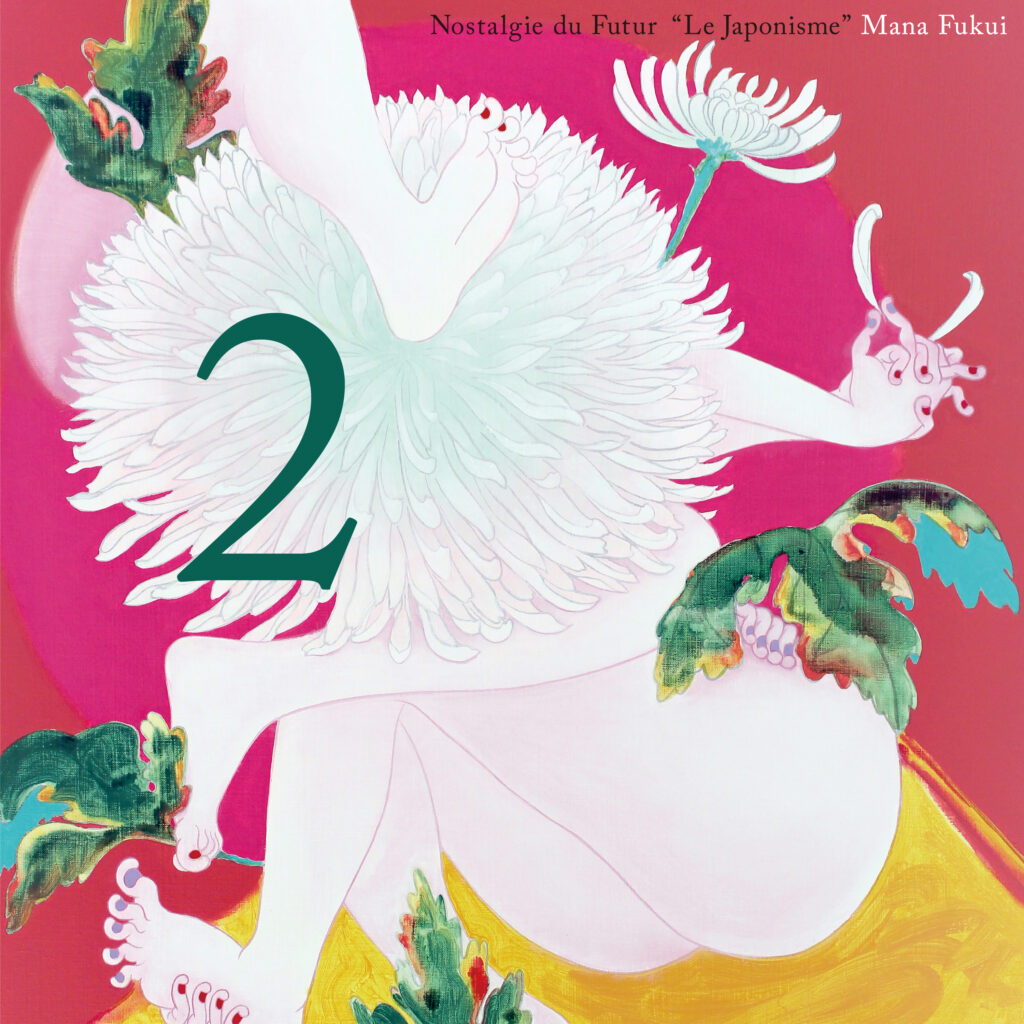
Nostalgie du Futur “Le Japonisme” 2
Vol. 2 – The Orient and Japan showcases pieces by Scriabin, Debussy, Szymanowski, and Toru Takemitsu from two perspectives: (1) pieces by composers who used the Orient as a major theme, influenced by a tonality and palette of colors largely introduced by Debussy and Ravel; and (2) the music of Toru Takemitsu, who expresses Japan’s culture of stillness and motion through delicate sounds.
Scriabin, a composer of the same generation as Debussy and Ravel, expresses emotion, sensuality, and his view of the universe in “Poèmes” and “Five Preludes.” Scriabin’s works reflect a deep influence from the philosophy of mysticism, symbolist poets, and his adoration of the Orient, which was a great cultural trend alongside Japonism at the time.
In Debussy’s “Arabesque No. 1,” the harmonic progression and flowing melodies intertwine, with symmetrical movement that reminds the audience of geometric patterns. These movements closely resemble geometric patterns reminiscent of Arabian arabesques and Islamic architecture.
Szymanowski’s Métopes, greatly influenced by Debussy’s impressionism and Scriabin’s harmonic syntax, was inspired by a Selinunte temple in the collection of Palermo’s archaeological museum. This piece depicts three stories told in Homer’s Odyssey.
Toru Takemitsu spectacularly expresses the world of stillness and motion found in Japanese culture, while also being influenced by French composers, including Debussy and Messiaen.
Track List
| 1 | Deux Poèmes, Op. 32 No. 1 | Alexander Scriabin |
| 2 | Five Preludes, Op. 16 No. 1 | Alexander Scriabin |
| 3 | Arabesque No. 1 | Claude Debussy |
| 4 | Métopes Op. 29: Island of the Sirens | Karol Szymanowski |
| 5 | Métopes Op. 29: Calypso | Karol Szymanowski |
| 6 | Métopes Op. 29: Nausicaa | Karol Szymanowski |
| 7 | Closed Eyes II | Toru Takemitsu |
| 8 | Rain Tree Sketch | Toru Takemitsu |
| 9 | Rain Tree Sketch II, In Memoriam Olivier Messiaen | Toru Takemitsu |
| 10 | For Away | Toru Takemitsu |
Vol. 3:
Nostalgia of the Future – A Collection of Little Masterpieces
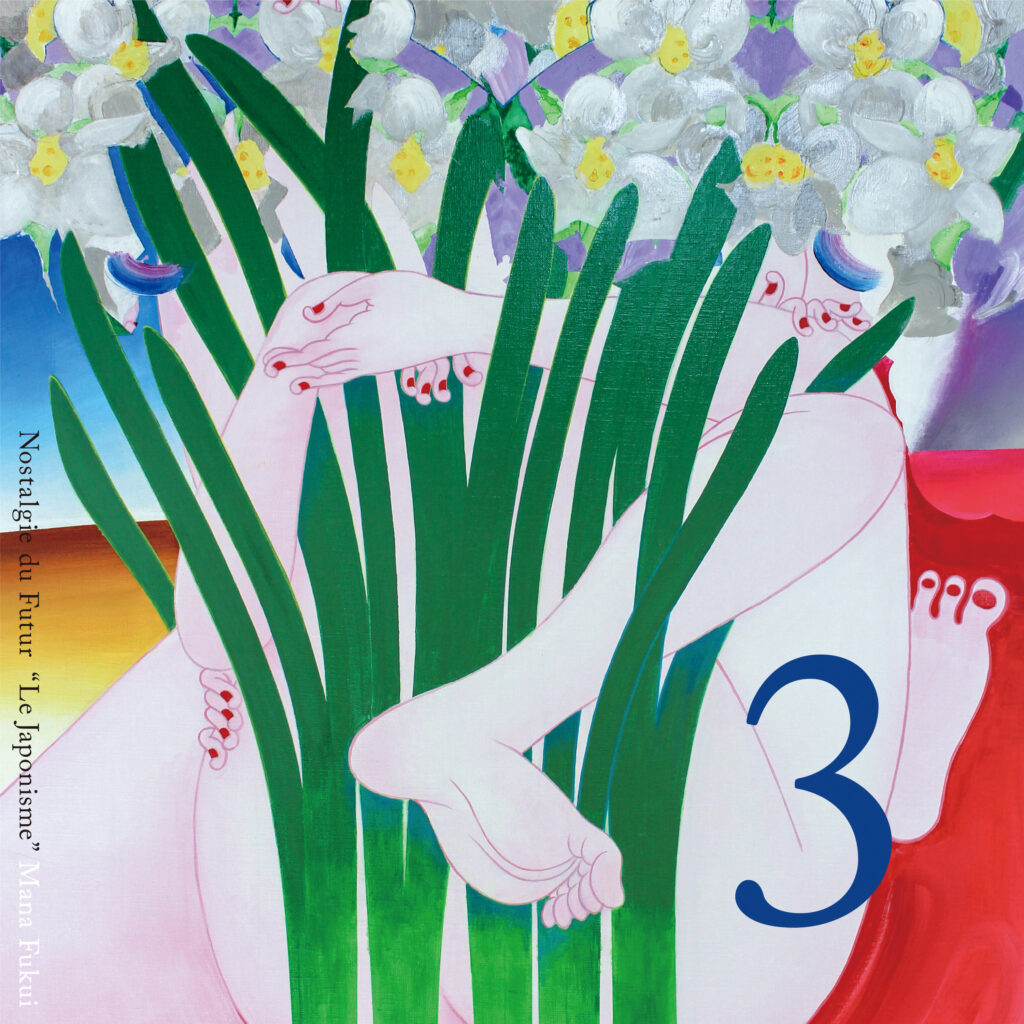
Nostalgie du Futur “Le Japonisme” 3
Vol. 3 – A Collection of Little Masterpieces is a recording of pieces composed from the late 19th century to the latter half of the 20th century by Debussy, Ravel, Satie, Lili Boulanger, Séverac, and Ligeti.
These include “Clair de lune,” part of one of Debussy’s earlier works, Suite bergamasque, and Ravel’s famous “Pavane pour une infante défunte,” which is beloved worldwide.
Lili Boulanger was the first woman to be awarded the Prix de Rome in 1913. Her pieces, “D’un vieux jardin” and “D’un jardin clair,” overflow with her soft, sublime poeticism and make her listeners keenly aware of her genius.
Debussy praised Séverac, saying, “Séverac’s music smells very good. It fills every corner of one’s heart with life.” People even claim that Séverac’s “Baigneuses au soleil” and “Les Naïades et le faune indiscret” are the pinnacle of French Impressionist music.
Ligeti’s Piano Etude No. 5 “Arc-en-ciel” was born from his overflowing knowledge as someone well-versed in music culture spanning from Africa to Asia.
“Gymnopédie No. 1” was composed by Satie, a nonconformist who spent his whole life challenging and defying established artistic and academic rules. He had a tremendous influence on 20th-century music.
This is a collection of masterpieces curated by gathering gems finely crafted by each composer, going beyond time and musical styles.
Track List
| 1 | Claire de lune | Claude Debussy |
| 2 | D’un vieux jardin | Lili Boulanger |
| 3 | D’un vieux clair | Lili Boulanger |
| 4 | Baigneuses au soleil | Déodat de Séverac |
| 5 | Les Naïades et le faune indiscret | Déodat de Séverac |
| 6 | Ligeti’s Piano Etude No. 5 “Arc-en-ciel” | György Ligeti |
| 7 | Pavane pour une infante défunte | Maurice Ravel |
| 8 | Gymnopédie No. 1 | Erik Satie |
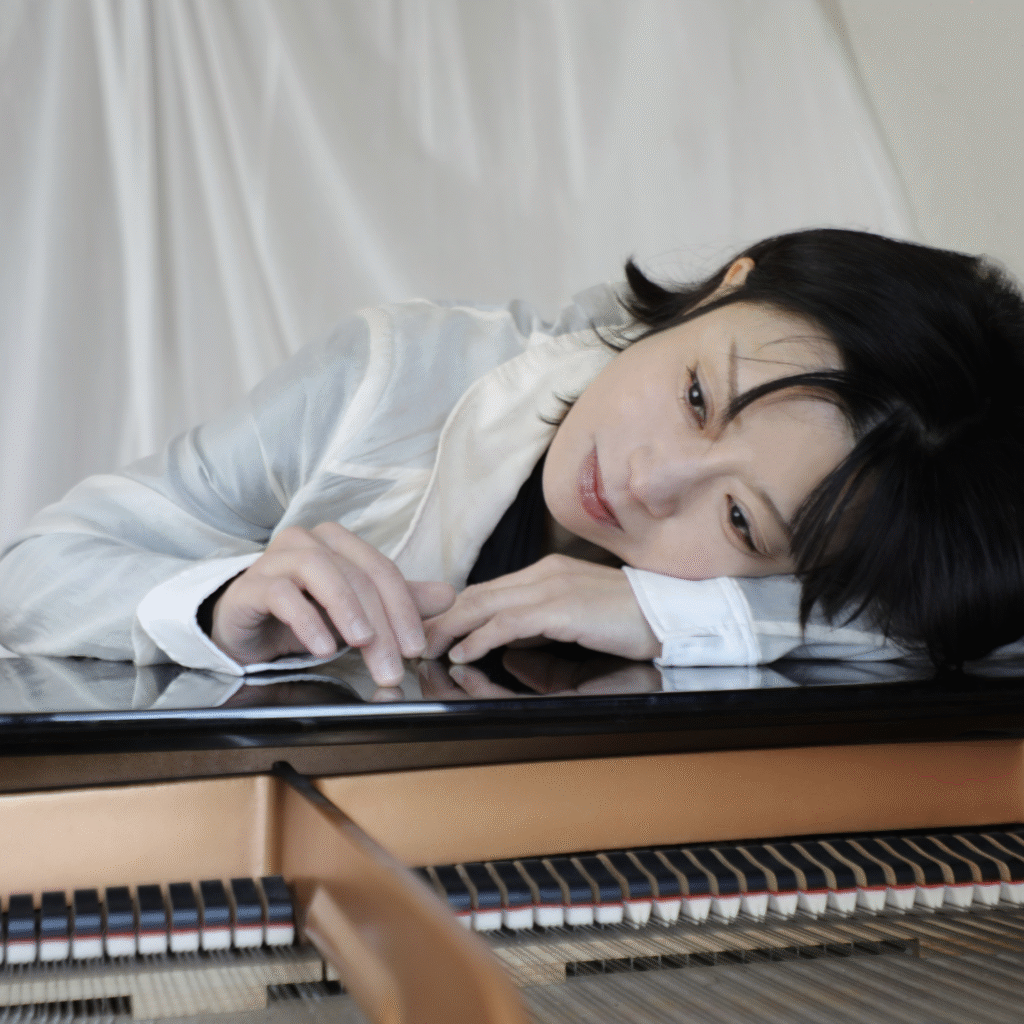
©Leo Kuroyanagi
Mana Fukui
Piano
While enrolled in the piano course at the Toho Gakuen School of Music, she studied in Moscow under Assanetta Gavrilov. After graduating from Toho Gakuen, Fukui graduated from the piano course and accompaniment course at the music conservatory in Paris’s 17th arrondissement, earning First Prize unanimously in her examination. Since then, Fukui has provided instruction to chamber music and vocal classes at a conservatory in Clamart, as well as teaching the next generation of pianists at a conservatory in Charenton-le-Pont.
Fukui is also actively engaged with contemporary music and regularly takes part in the contemporary music festival Musique de Notre Temps. In addition, she is highly regarded for her advanced sight-reading skills and extensive chamber music repertoire, earning her a position as a judge and official accompanist for le diplome d’etudes musicales (the French national music certification), as well as numerous international music festivals and competitions. During that time, she also performed in Paris and throughout Europe, mainly focusing on recitals and chamber music.
After returning to Japan in 2015, she poured her energy into performing and held a widely praised solo recital in 2018 at Tokyo Opera City. Since 2022, she has used her extensive experience in chamber music to start a chamber music series as the musical director, which has received very positive reviews. She is currently proactively engaged in a wide range of work, from creating music for commercials to collaborating with dance and film productions.
In 2025, she performed Ravel’s Piano Concerto in G major with the Tokyo Philharmonic Orchestra at NHK Hall as part of NHK’s “Ballet no Kyoen,” to great acclaim.
A Closer Look at Mana Fukui’s Nostalgia of the Future
At long last, Mana Fukui released her recording, Nostalgia of the Future. In the year 2025, not many Japanese people may recognize the name Mana Fukui. However, Mana is an outstanding pianist whose performances are worth listening to, as she has truly taken pianism to its peak.
Mana has recorded French pieces by the likes of Debussy, Ravel, Boulanger, and Séverac, as well as pieces of unique color by Scriabin, Szymanowski, Ligeti, and Toru Takemitsu. These pieces have been curated into three albums, each with its own concept. The first album, Japonism, features Debussy and Ravel. The second album, The Orient and Japan, has Scriabin, Debussy, Szymanowski, and Toru Takemitsu. The third album, A Collection of Little Masterpieces, features Debussy, Lili Boulanger, Séverac, and Ligeti. These masterpieces, ranging from the 19th to the 20th century, have now been instilled with new life by Mana Fukui in the 21st century.
Mana Fukui was born in Saitama Prefecture. Although she didn’t come from a musical family, her mother noticed one day that 3-year-old Mana had sat down in front of an upright piano and refused to get up…
Music Critic Yudai Majima
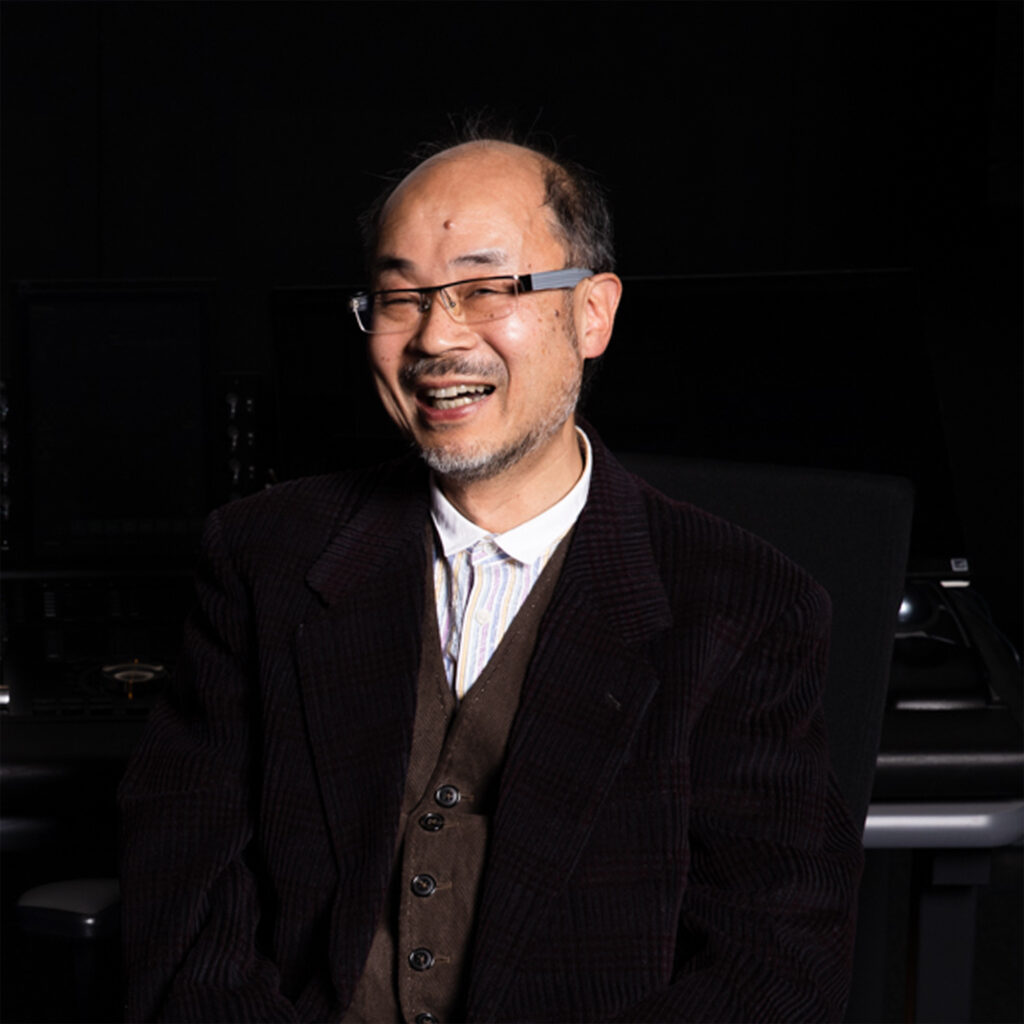
Hideo Irimajiri
RME Premium Recordings
Music Director/Executive Producer
Born in 1956. Graduated from the Kyushu Institute of Design’s Department of Acoustic Design in 1979 and graduated from the same school’s graduate program in 1981. Irimajiri acquired a doctorate in reverberation research in 2013 and joined Mainichi Broadcasting System, Inc. in 1981, subsequently working in the Video Technology Department, Audio Technology Department, Hall Technology Department, Post Production Department, and Mastering Department. Since 2017, Irimajiri has worked at WOWOW Inc. on developing technology and business for producing immersive audio. In 2025, Irimajiri started the Irimajiri Immersive Audio Research Lab and established the Naramachi Studio. He is currently the music director at RME Premium Recordings.
In 1987, Irimajiri was involved in developing the broadcast industry’s first high school baseball sound broadcast project. In 2005, Irimajiri also engaged in researching the volume issue in broadcasting, was an ARIB committee member, and worked on standardization as a committee member of the Japan Commercial Broadcasters Association. Irimajiri has worked on sound recording since his school days, focusing particularly on 4-channel recordings and spatial acoustics. He is currently developing technology for 3D audio recordings, while also enthusiastically working on production and promotion activities.
2021: Isao Tomita “The Tale of Genji: Symphonic Fantasy” (Grand Prize Winner of the Japan Professional Music Recording Award)
2021: Bob James “Feel Like Making Live” UHD BD
2024: MR. BIG “The BIG Finish Live” UHD BD
Irimajiri also personally produces his own music under the name Jiro Irima, working on the opening theme for the National High School Rugby Tournament at Hanazono, the PC game Record of Lodoss War, and more.
A Closer Look at the Artwork
When I heard about the themes covered in Mana Fukui’s piano album—sounds from Japonism, Art Nouveau, and nostalgia of the future—I immediately thought of Shinichi Kaneko, an artist who takes inspiration from the arms and legs depicted in ukiyo-e shunga (erotic woodblock prints) and sublimates it into his own work as a metaphor for the “interconnectedness” of all things.
At the old Expositions in France, there was an influx of foreign culture from a faraway land in the east. When I think back to how the French were enthralled by Japanese art, one example that comes to mind is their first encounter with ukiyo-e. I imagine that the beautiful colors from those multi-colored prints, coupled with the unique structure and interpretation of said prints, were enough to excite foreigners outside of Japan.
The artwork I chose this time is Shinichi Kaneko’s “Iro to Hana: Shiki (Color and Flowers: Four Seasons).” The inspiration for these pieces came from a famous ukiyo-e shunga (erotic woodblock print): “Shiki Gakan (Handscroll of the Four Seasons),” painted by Tsukioka Settei in the Edo period…
Nao Masaki (Creative Director)
Recording Information
Recording Dates: January 11–14 and May 16–19, 2024
Recording Location: Yatsugatake Yamabiko Hall, Hokuto City, Yamanashi Prefecture
Credits
General Producer: Seiji Murai (Synthax Japan)
General Music Director & Recording Engineer: Hideo Irimajiri (Synthax Japan)
Piano Performance & Album Curation: Mana Fukui
Video Director: Leo Kuroyanagi (IRISS Inc.)
Artist Relations: Michiko Tatsumi (Muan-sha)
Bösendorfer Tuning: Jun Terunuma
Album Commentary: Yudai Majima (Music Critic)
Web Producer: Yutaka Yuasa(Synthax Japan)
Venue Manager & Marketing Director: Kaori Terasawa (Synthax Japan)
Engineering: Katsutaka Suzuki (Synthax Japan)
Creative Director: Nao Masaki
Artist Paint: Shinichi Kaneko
English Website Production
Producer: Junko Yoshii
Programmer: Chieko Taguchi
Special Thanks
Joji Funaki, Sachiko Kawano, Tatsushi Omori,Kanji Murai(Genelec Japan)
