
Engineer’s Note
Contigo en La Distancia
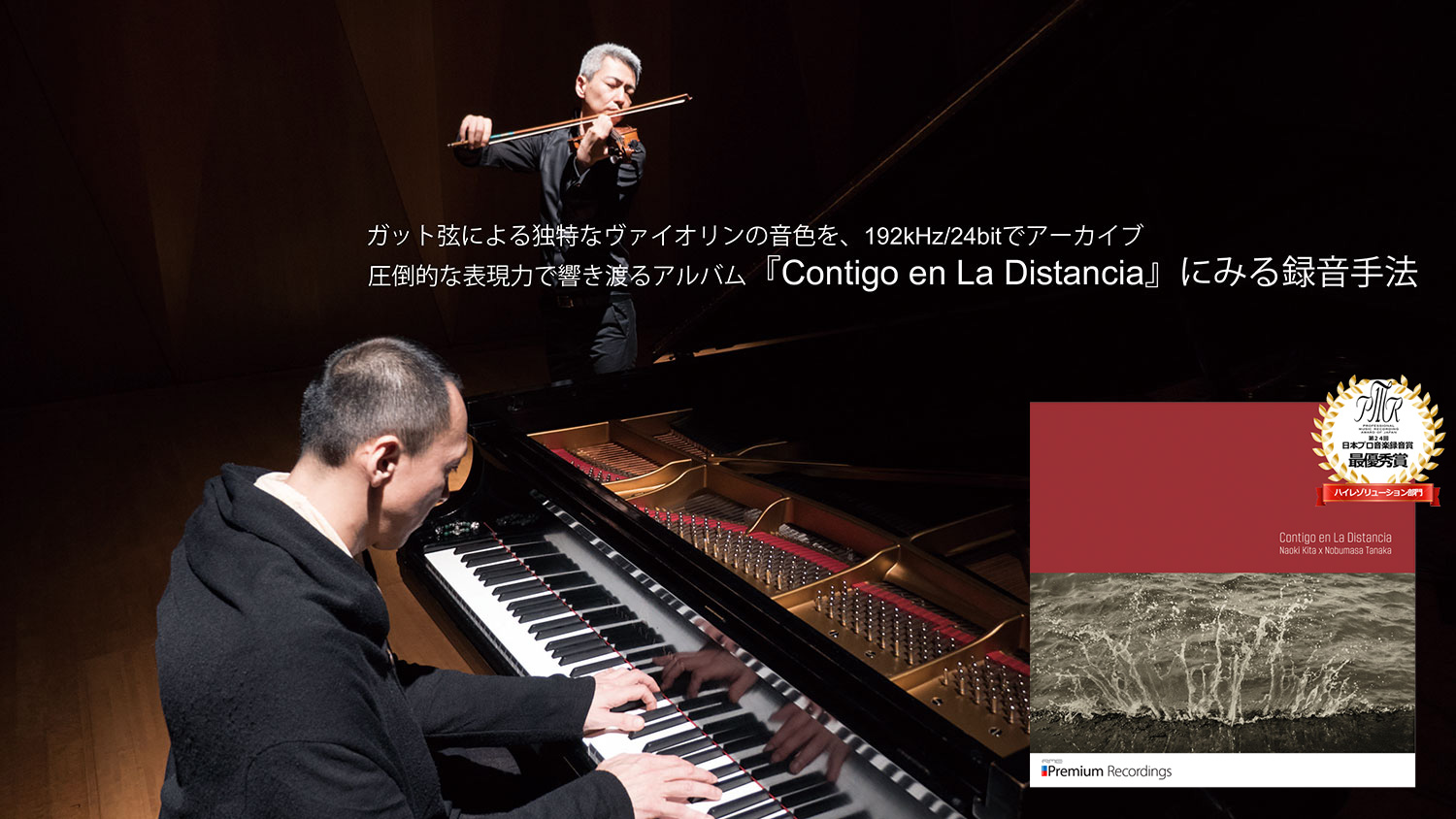
Recording Techniques Used in Contigo en La Distancia, an Album Resonating with Overwhelming Expression—Archiving the Distinctive Tones of the Gut-Stringed Violin, Rarely Used in Contemporary Classical Music, in 192kHz/24-bit
The engineer behind this album was awarded the Grand Prize in the High-Resolution Category (Non-Package/Multi-Channel Surround) at the 24th Japan Professional Music Recording Awards.
Listening to With You in the Distance, one is struck by the beauty of the piano, which seems to gush forth out of the silence, while the violin sings passionately with its distinctive charm, filling in the gaps left by the piano.
The violinist, Naoki Kita, comes from a background in classical music, but he also studied tango in Argentina. He uses traditional gut strings, and both Kita’s enthralling performance and the delicate yet rich character of the violin are captured on this recording.
The realistic, high-resolution audio focuses even on the most subtle interactions between the violin strings and the bow. In contrast, the piano is placed slightly further back. It lacks the realism of the violin but is still incredibly beautiful. This sense of distance and contrast between the violin and piano creates a surround sound space that is equal parts beautiful and emotionally charged.
Looking at the technical documentation used in creating this musical space, we see that a high-resolution omnidirectional digital microphone was selected for the violin and piano, while omnidirectional microphones that excel at high frequency were chosen for the surround microphones capturing the ambience. To prevent sound degradation, an optical transmission system was used for the recording equipment. In addition, the power for the equipment was supplied by high-capacity batteries to reduce noise, and special noise prevention measures were applied to the connectors and cables. Finally, vibration countermeasures for the equipment were also thoroughly implemented.
I believe it is thanks to Sawaguchi’s multiple countermeasures, as well as his technical expertise backed by extensive experience, that the work received this award. It is an outstanding work that deserves to be listened to by as many people as possible.
From comments by Mr. Shimizu, Japan Association of Professional Recording Studios, on receiving an award at the Japan Professional Music Recording Awards
That slight “pull” you feel when you first listen soon becomes addictive, drawing you back again and again… The milestone tenth release from RME Premium Recordings is an album with just such a mysterious allure. The secret behind that “pull” is in the use of gut strings. Made from sheep or cow intestines, gut strings have been widely used in stringed instruments since ancient times. Susceptible to changes in temperature and humidity and prone to stretching, they made tuning difficult and had a short life span. These factors prompted a gradual shift to using steel and nylon strings. Gut strings are rarely used now in modern classical music. But their distinctive warmth and exquisite, almost human-like husky tone lend performances an indescribable expressiveness that captivates listeners.

The featured artist, violinist Naoki Kita, builds his performances around the tango he mastered in Argentina, fusing it with his accumulated musical knowledge and experiences. He is one of very few violinists capable of fully coaxing out the charm of gut strings. This album, a collaboration with the up-and-coming pianist Nobumasa Tanaka, comprises a selection of South American classics chosen and arranged by Kita. It is an artistic compilation interwoven with improvisations where the thrill and comfortable stability of Tanaka’s piano co-exist. The recording engineer is Mick Sawaguchi, who has released numerous high-resolution sound works on the UNAMAS label. With a microphone arrangement designed for immersive 9.0-channel audio, combined with the familiar RME MADI system, he has fully captured the abundant overtones of the gut strings, the rich resonance of the New York Steinway piano, and the hall’s natural reverberation. This forms the very foundation of the recording artistry embodied in the album.
Contigo en La Distancia Recording Data:
Location: Mitaka City Arts Center Kaze no Hall
Date: November 29-30, 2016
Format: 24-bit/192kHz 11-channel
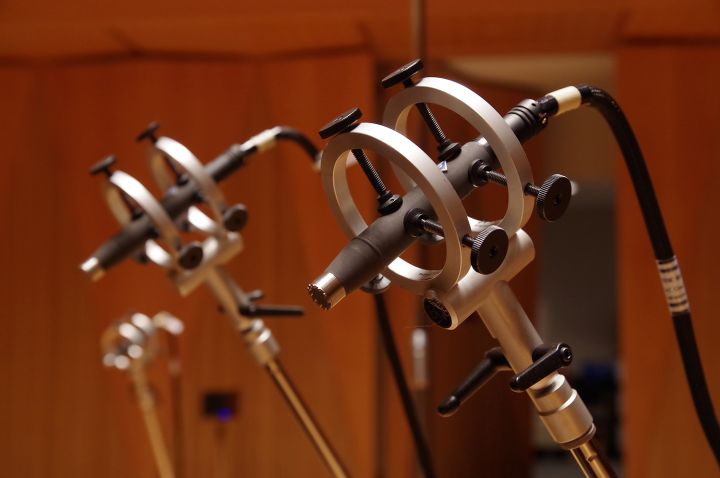
Microphones Used:
Main mic: Neumann KM 133D x5
Mid layer surround: Sanken CO-100K x2
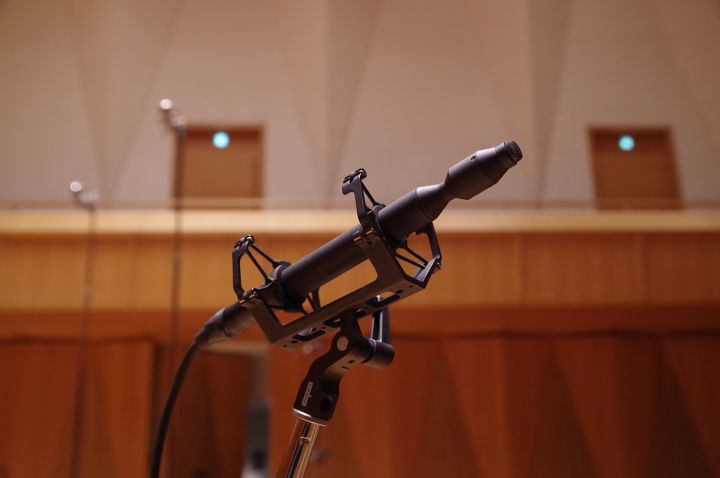
Top layer surround: Sanken CUW-180 (stereo, pair) x2
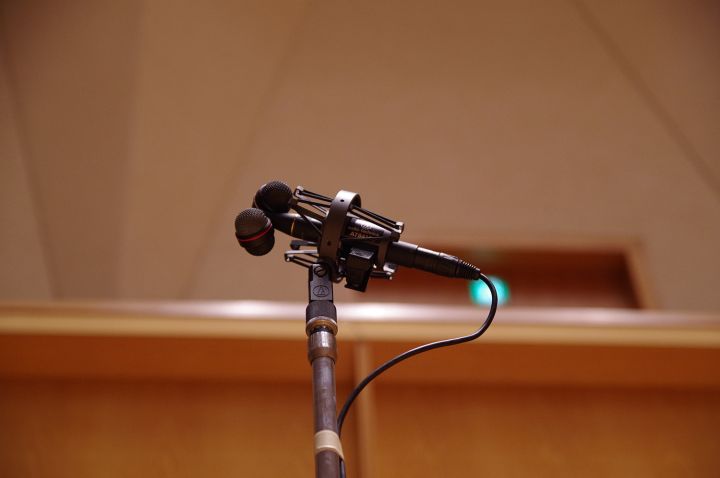
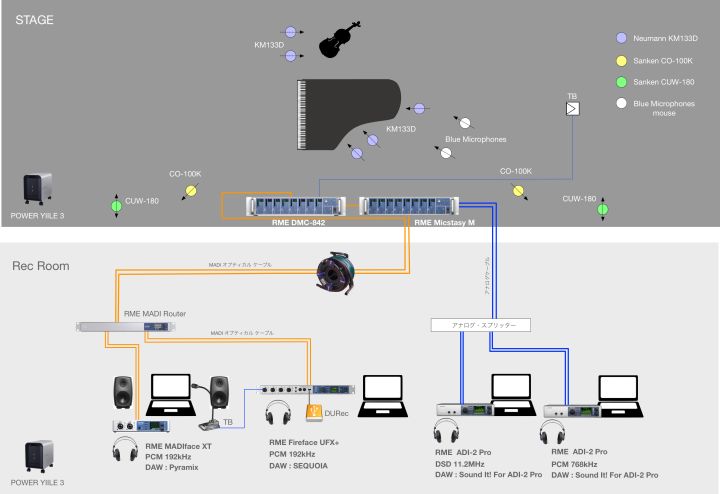
For capturing the violin and piano, the omnidirectional Neumann KM 133 D, famed for its incredibly high resolution and signal-to-noise ratio, was selected as the main microphone. The violin was recorded with an L/R configuration, and the piano used an L/R/C configuration, with the microphones positioned from the high note side. These microphones directly captured the sound of the instruments, which formed the skeletal core of the recording. Sanken analog microphones were used as surround microphones to capture the reverberations. A unique characteristic of Sawaguchi’s miking is that the microphones are positioned pointing from the stage toward the hall, capturing and blending the reverberations arising from the hall to achieve a balance between the clarity of the melody and the rich reverberations.
Microphone Preamps:
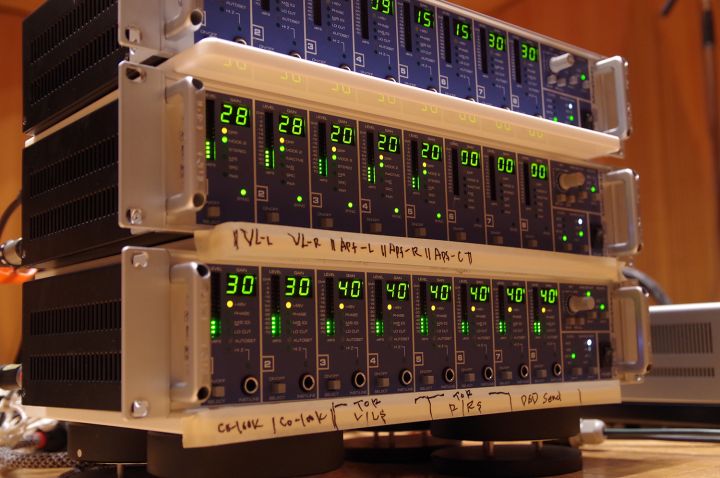
For the microphone preamps, the DMC-842 M was used for the main digital mics, while the Micstasy M was used for all analog mics. Since the audio signals were converted from analog to digital onstage (or, in the case of the digital mics, within the mic capsules) before being transmitted via MADI to the control room set up backstage, signal degradation often associated with analog cables was greatly reduced. Additionally, talkback audio used for communication between the stage and backstage was transmitted via the same MADI system. By keeping cabling to a minimum, setup and teardown times could be greatly reduced.
Audio Interface:
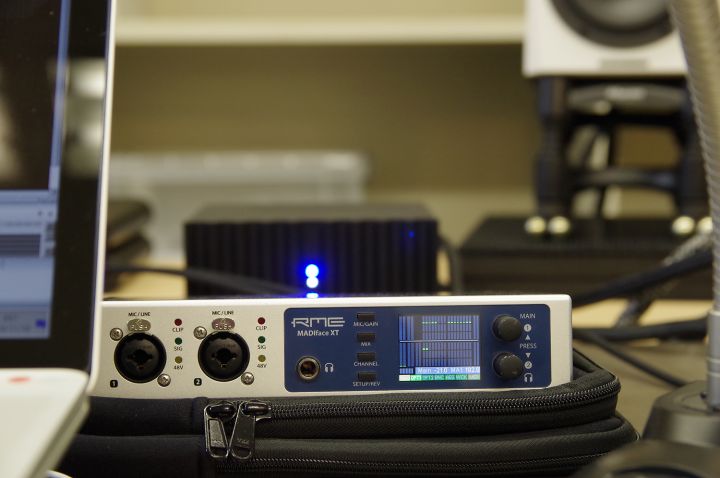
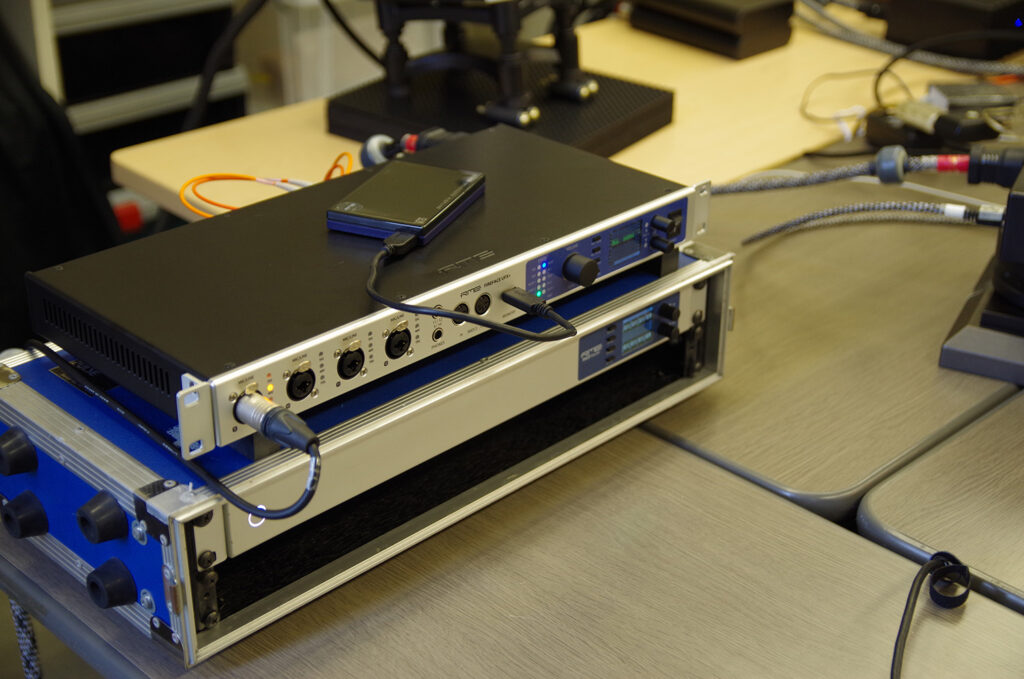
The MADI feed from the stage was split via a MADI Router between Sawaguchi’s Merging Pyramix Native with MADIface XT and the backup MAGIX Sequoia with Fireface UFX+. A talkback microphone was connected to the Fireface UFX+, the first Fireface to include MADI connectivity. The signal was transmitted via MADI, converted to analog by the DMC-842 M onstage, then sent to the talkback speaker. In addition, by using the Fireface UFX+’s built-in DURec function, an extra backup copy could be made directly to a USB-connected SSD.
Extensive EMC Noise Countermeasures:
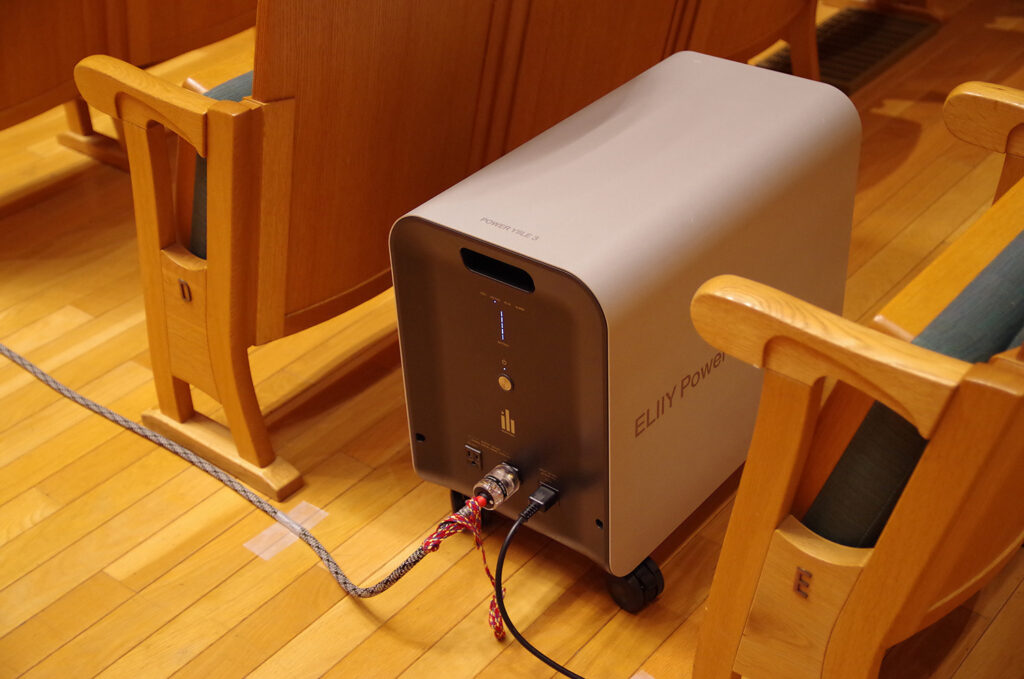
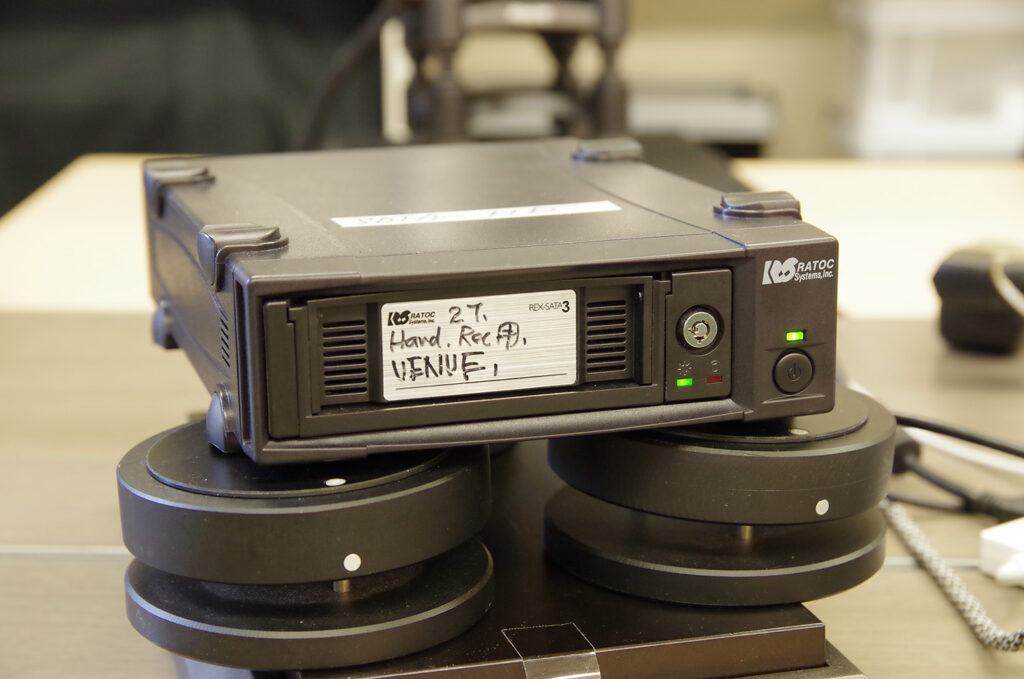
The noise prevention measures that have become a staple of Sawaguchi’s recent recordings were also implemented here. To thoroughly eliminate any noise that might otherwise be caused by commercial power sources, POWER YIILE units from ELIIY Power were deployed on-stage and in the control room to supply power to each piece of recording equipment. Notably, a new fanless model was used onstage, demonstrating expanded possibilities for the use of these units in recording environments. Additionally, meticulous measures to prevent environmental noise, ranging from noise prevention in connectors and cables to vibration prevention in the equipment itself, were overseen by Kiyotaka Miyashita (JION), widely known as “The Noise Buster.” Every conceivable precaution was implemented when making this recording, and the results are clear from the very first listen.
DSD Recording:
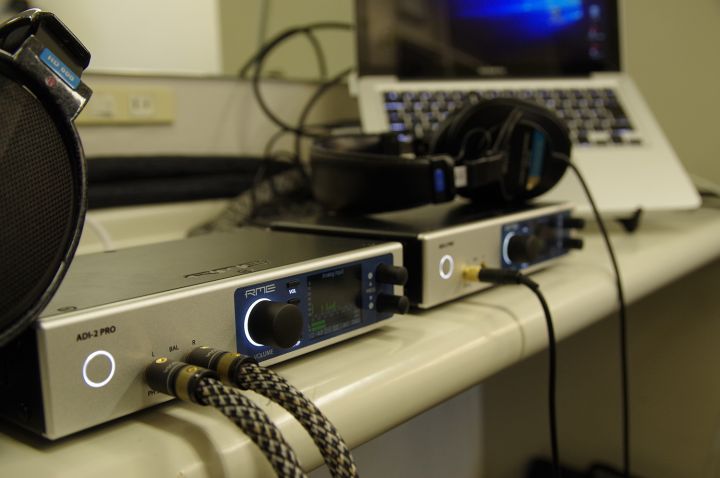
For this recording, the ADI-2 Pro—the first RME unit to support DSD recording and playback—was used, and trial recordings were also made in DSD256 and PCM 768kHz. The signal from a 2-channel one-point microphone (Blue Microphones) onstage was transmitted in its original analog format to the control room, and recorded using two ADI-2 Pro units. These recordings were made as reference materials to evaluate the difference in sound quality between DSD and PCM recordings.
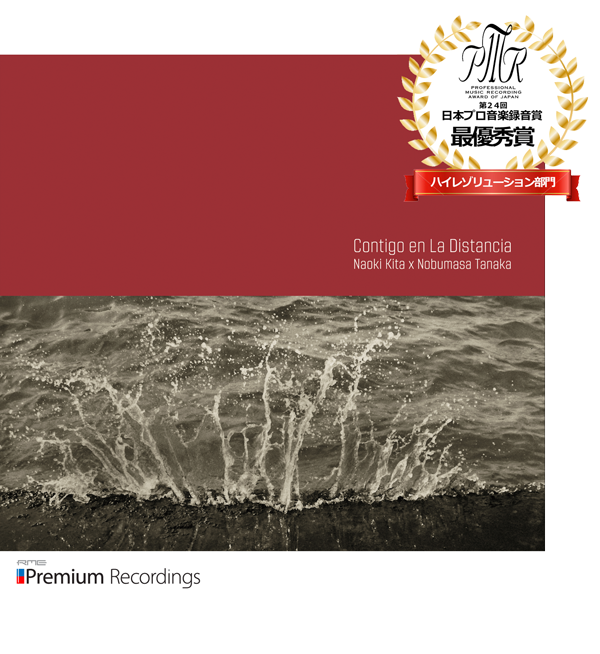
The engineer behind this album was awarded the Grand Prize in the High-Resolution Category (Non-Package/Multi-Channel Surround) at the 24th Japan Professional Music Recording Awards.
Album Info: Contigo en La Distancia – With You in the Distance (Naoki Kita x Nobumasa Tanaka)
Album Promotional Video: Contigo en La Distancia
Soledad (Solitude) Naoki Kita x Nobumasa Tanaka
Naufragio (Shipwreck) Naoki Kita x Nobumasa Tanaka
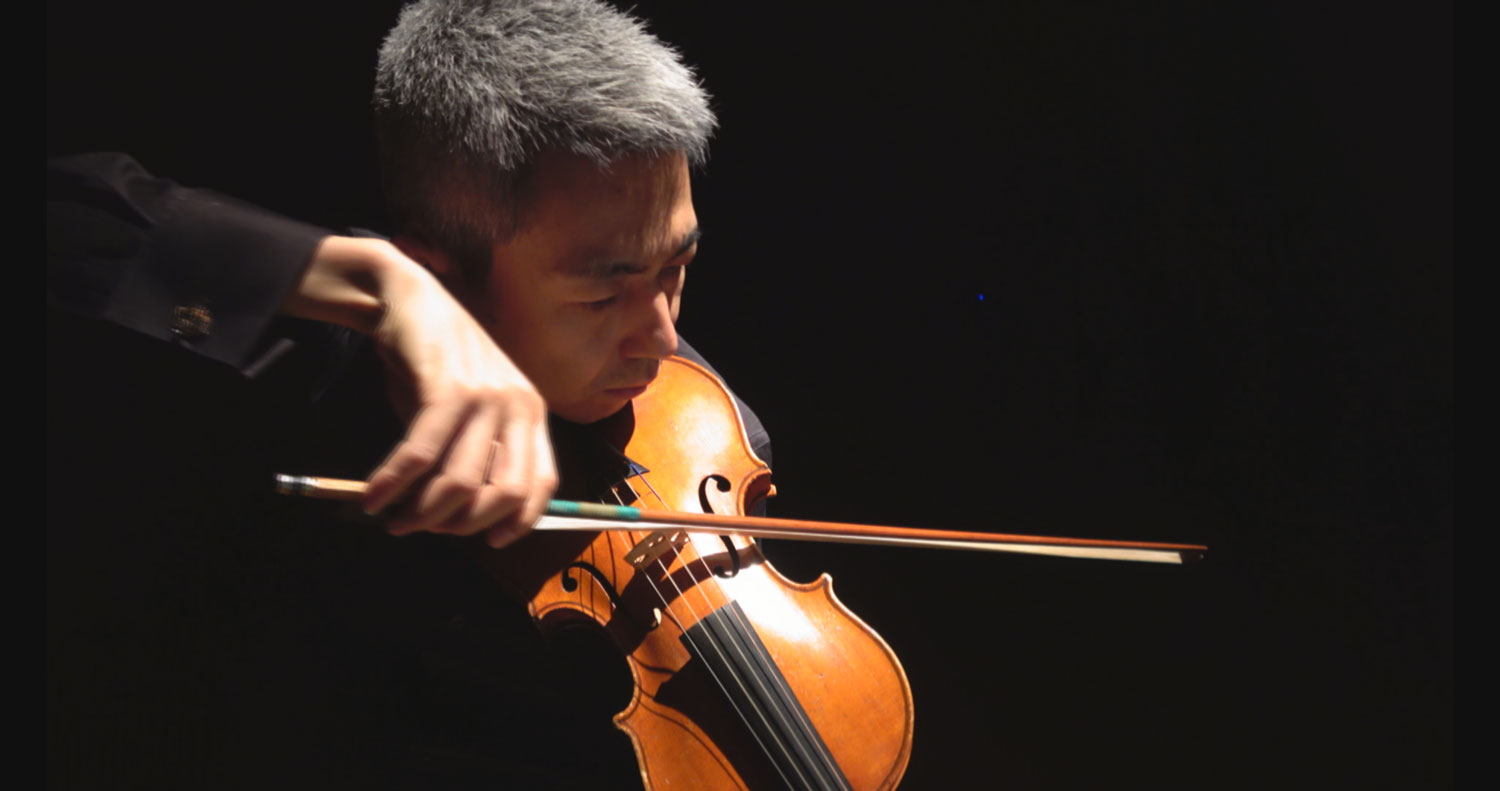
Naoki Kita
(violin)
After majoring in violin at the Kunitachi College of Music, Kita spent three years in the United Kingdom studying composition and jazz theory. He later traveled to Argentina, where he studied tango performance techniques under the violinist Fernando Suárez Paz. Upon returning to Japan, he continued to focus on tango performance, while gradually shifting his attention to activities outside the tango genre, joining Salle Gaveau, a group led by guitarist Natsuki Kido. Dedicated to the fusion of tango and avant-garde rock, the group garnered acclaim upon visiting the United Kingdom. While expanding his activities to the European improvisational music scene, seeking to combine his tango roots with the musical knowledge and experience he had accumulated, he formed the Naoki Kita Quartet in 2011 and released an album in 2014. The group has also performed at the Tokyo Opera City Recital Hall.
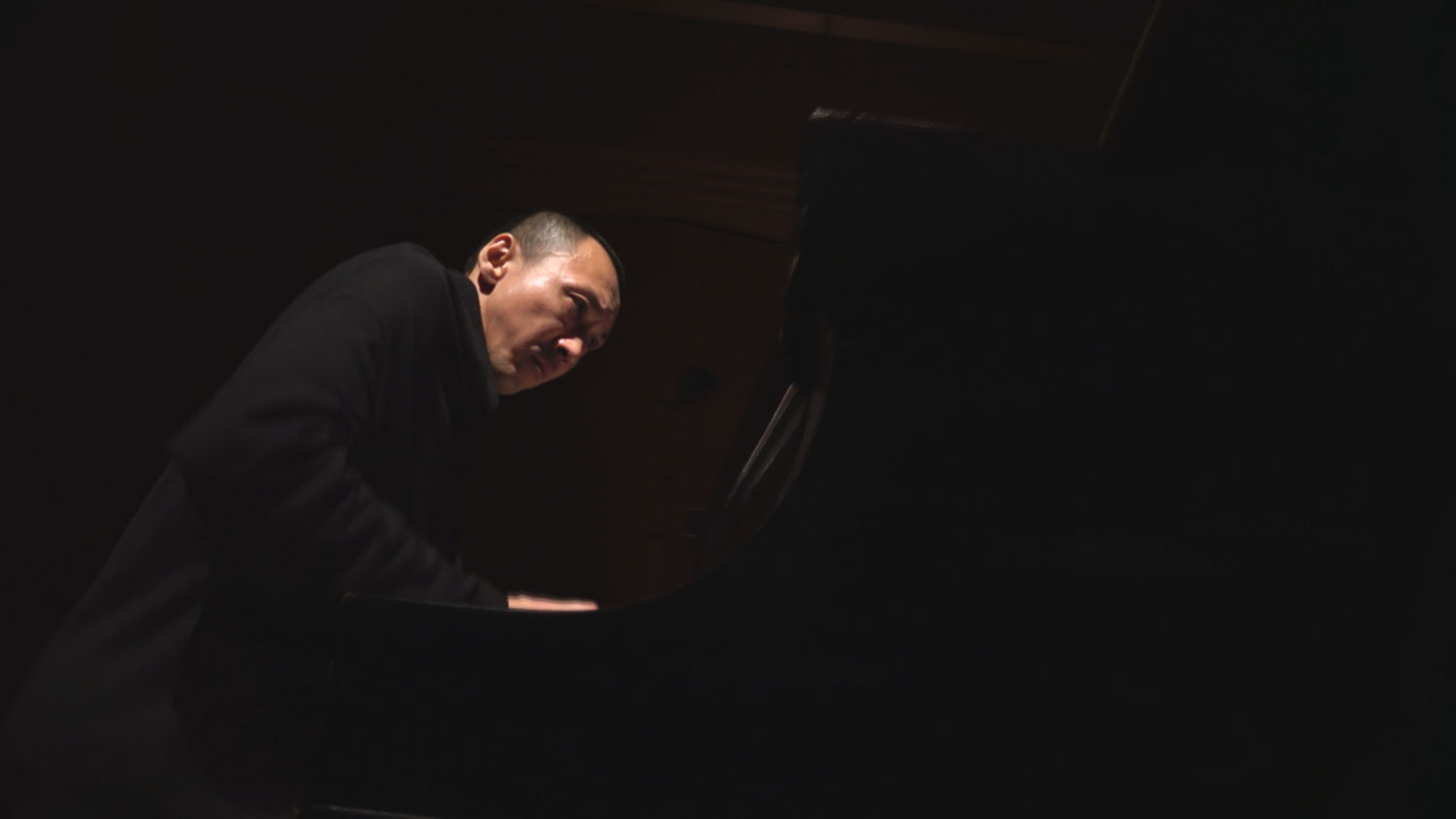
Nobumasa Tanaka
(piano)
Born in 1968, Tanaka began playing the electric organ at the age of four, before switching to classical piano at 16. He later enrolled at the Kunitachi College of Music to study composition, but did not complete the course. He studied classical piano under Yuko Konada, and jazz piano under Eiichi Fujii, Ichiko Hashimoto, and Masahiko Satoh. In 1993, he won both the Grand Prix and Best Individual Player Award at the first Yokohama Jazz Promenade Competition. His performances, characterized by freedom and improvisation in collaboration with his fellow musicians, extend beyond the jazz format and into many other styles. He currently performs both live and as a recording artist for a wide variety of musical ensembles. His own unit, Nobumasa Tanaka KARTELL, featuring Terumichi Yamada on bass and Hidenobu KALTA Otsuki on drums, goes beyond the traditional piano trio format and has earned him great acclaim as a one-of-a-kind performer, as have his original compositions and highly creative arrangements for solo piano. In 2010, he joined Shun Sakai’s unit to perform in Vietnam. He also performed alongside Masaki Hayashi as part of the piano duo Nobumasaki in Paris, Ankara, and Istanbul in 2012, and in South Korea in 2013.
Mick Sawaguchi
(engineer)
Graduated from Chiba Institute of Technology’s Department of Electronic Engineering in 1971 and joined NHK in the same year. As a mixer for dramas, he worked on some award-winning productions that received the Arts Festival Grand Prize, the Hoso Bunka Foundation Award, the IBC Nombre d’Or Award, and the Vatican Hope Award, among others. Since 1985, he has been engaged in surround sound production, earning him the nickname “Surround Shogun” overseas. In 2007, he established the high-quality music production UNAMAS label. To further promote surround music software, he launched UNAMAS-HUG/J in 2011, providing high-quality music streaming and CD production services with 24-bit/96kHz and 24-bit/192kHz formats. At the 20th Japan Professional Music Recording Awards in 2013, Jun Fukamachi’s Reimei (UNAHQ-2003) won the Excellence Award in the newly established Non-package 2CH category. In 2015, at the 22nd Japan Professional Music Recording Awards, The Art of Fugue won the Excellence Award in the High-Resolution Multi-channel Surround category, with Death and the Maiden also winning the Excellence Award at the 23rd Awards. Contigo en La Distancia won the Grand Prize in the same category at the 24th Awards, making for an amazing three consecutive wins for Sawaguchi. Continuing to lead the field, Sawaguchi embodies how software production should be approached in the high-resolution era.
Tomomi Aibara
(Assistant Engineer)
Aibara joined HALion as a mastering engineer in 1995. She began working at ann’s sound in 2003, before becoming independent in October 2014. She is currently the head of Winns Mastering. With a thorough knowledge of high-resolution formats like DSD, she has been involved in recording overseas, including in Macau and Slovakia, while also handling the recording and editing of the internet radio show PrimeSeat Salon. Her mastering works include Black&White by ASKA (high-resolution edition), Live in Tokyo by Keiko Matsui (Japanese and US editions), OPERATIC FANTASY by Norie Suzuki, and Désespoir agréable by Ky.
Receiving the Award at the 24th Japan Professional Music Recording Awards:
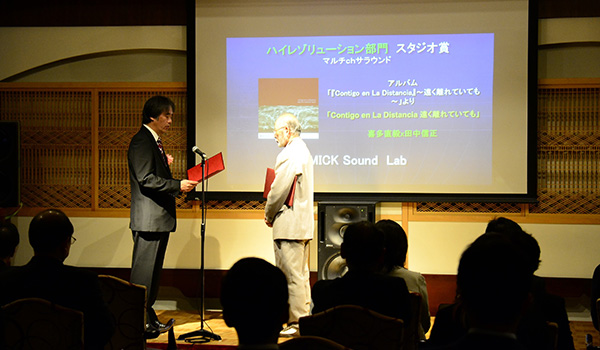
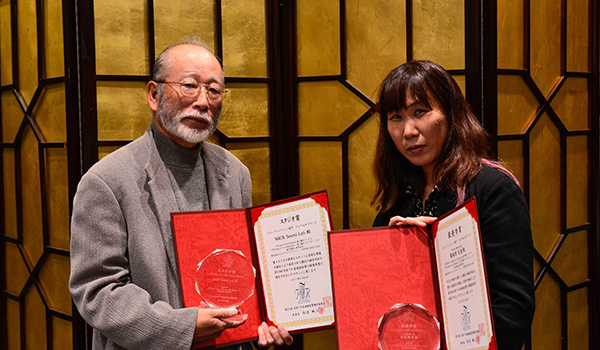
Remarks on Receiving the Award:
This album was released in multiple formats tailored to a variety of listening environments, including standard 2-channel stereo, MQA-CD, 5-channel surround, and HPL-9, a binaural rendering derived from a 9-channel master. To create this hall recording of a gut-string violin and acoustic piano duo, we first considered the design elements required to produce it in surround sound, then decided on the actual staging and microphone setup. The gut-string violin is played at an extremely low volume, while the acoustic piano has enough volume to fill the entire hall.
While listening to the rehearsal, I had an image in my mind of a flute player aboard a boat that was gently swaying on the surface of a lake. With this in mind, I placed the gut-string violin behind the piano, facing it. For the main microphone, I used the Neumann KM 133D, which has become my go-to for hall recordings, in an L-C-R configuration for the piano and as an A-B pair for the gut-string violin. The hall ambience was captured with a simple Sanken CO-100K and CUW-180 setup.
By keeping the number of master channels and microphones essentially the same, it was possible to create a well-balanced tonal quality similar to that of one-point stereo miking. After listening to the playback, both performers commented that they were relieved to hear the subtle nuances of the gut strings coming through so well, even with the instruments being balanced differently. I would like to express my sincere gratitude to the judges for once again honoring us with this award.
Mick Sawaguchi, Sawaguchi Ongaku Kobo
