
Engineer’s Note
Vespers

An Electrifying Live Recording! Monteverdi’s Baroque Masterpiece, Vespers of the Blessed Virgin, Echoes Through a Vast Cathedral with Seven Seconds of Reverb
Originally founded to deliver high-resolution audio at 24-bit/96kHz and above from the recording stage, RME Premium Recordings has teamed up with OTTAVA Records, the new record label from OTTAVA, Japan’s largest classical music radio station with around 200,000 unique listeners. This collaboration’s inaugural record is Vespers by Contraponto, a recording of Claudio Monteverdi’s Vespers of the Blessed Virgin (Vespro della Beata Vergine).
The work is a live recording of a concert commemorating the 10th anniversary of Contraponto, Japan’s leading early music ensemble, as well as its 20th regular concert, performed in June 2015 at the Sekiguchi Catholic Church’s St. Mary’s Cathedral in Bunkyo Ward, Tokyo. Recording Claudio Monteverdi’s famously difficult Vespers of the Blessed Virgin live is an ambitious undertaking, and something seldom done even outside Japan. Staying faithful to the work as it was performed in Monteverdi’s day, the performance includes organ preludes and postludes, Gregorian chant antiphons, and liturgical prayers, resulting in a performance that lasts over two hours, all captured in a PCM 192kHz/24-bit high-resolution recording that even preserves the seven-second reverberation present within the vast St. Mary’s Cathedral. The recording is available not only on CD but also for streaming in a variety of formats, including 7.0-channel 3D surround, 5.0-channel surround, standard 2-channel stereo, and even 11-channel immersive headphone surround (HPL), allowing for a fully immersive experience when listening through headphones.
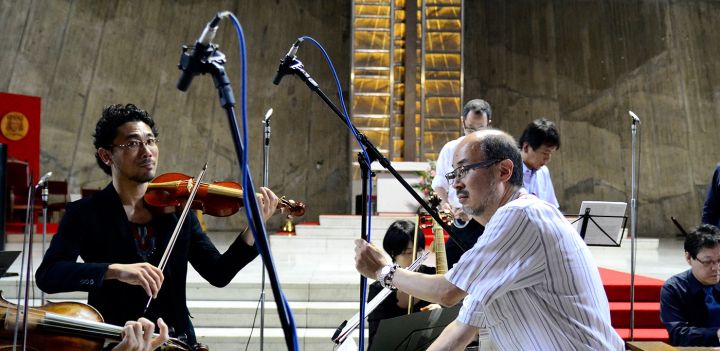
In this rare recording, high-quality yet compact RME MADI equipment was used in conjunction with low-noise, exceptionally high-clarity Neumann digital microphones. The recording engineer was Hideo Irimajiri, who has in recent years produced many acclaimed 3D-surround recordings using RME MADI equipment and Sequoia. In addition to Irimajiri’s philosophy, we are pleased to present a detailed report on the equipment that made it possible to successfully capture the acoustic quality of the cathedral’s interior with absolute clarity.
Comment by Hideo Irimajiri, Recording Engineer
A recording that delivers a high-clarity sound enveloped in the rich reverberations of a Tokyo cathedral
My ideal recording is one in which lush reverberation and musical clarity coexist. However, reverberation and clarity are fundamentally at odds with one another, making this extremely difficult to achieve. After many years of trial and error, I reached the conclusion that 3D surround sound is the best way to bring these two elements together.
So, why are reverberation and clarity able to coexist in 3D surround sound? The reason is that the direct sound and the reverberations do not come from the same speakers. Recording from a position in the audience where the sound is clear and reverberations are felt will often result in excessive reverb. This is because, in reality, reverberations reach the listener from all directions, not from the same direction as the direct sound.
Humans have a trait called “directional masking,” whereby quieter sounds tend to be masked by louder sounds coming from the same direction. When direct sound and reverb are reproduced by the same speaker, the volume of the reverb must be significantly increased for it to be heard. However, if the volume is increased just a little too much, the reverb will begin to mask the direct sound, and clarity will be lost.
In stereo recording, it is difficult to balance direct sound and reverb. Additionally, listeners have different preferences when it comes to the right balance, making it a constant source of headaches for engineers.
In 3D surround sound, however, the amount of reverb reproduced by each speaker is very small, which, first of all, expands the listening area. Then, because the sound is freed from directional masking, increasing the reverb volume will not cause a loss of clarity. This makes it possible to create a recording that combines rich reverberation with a high level of clarity, much like listening from an excellent seat in the hall. Moreover, listeners who prefer a more defined sound can sit closer to the front speakers, while those who want to experience the atmosphere of being in the hall can sit toward the back speakers and hear exactly that. That is one of the greatest benefits of 3D surround sound.
With this recording, I believe we were able to achieve a recording that delivers a high-clarity sound enveloped in the rich reverberations of a Tokyo cathedral.
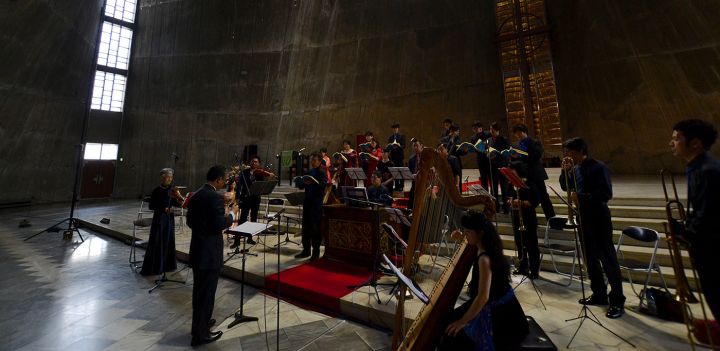
Equipment Used for This Recording:
Microphones: Neumann KM 133 D/KM 143 D/KM 183 D/KM 184 D/KM 131 A, Sennheiser MKH 8090 D/MKH 8020 D, etc.
A total of 28 microphones were used on the day of the recording. 24 of these were digital microphones, including the main microphones, spot microphones, and top layer microphones, while four analog microphones were used for the side LR and rear LR channels of the mid-layer. Details of each microphone and its application are listed below.
Main Microphones: For the main microphones, two tall stands were positioned to the left and right of the altar, which served as the stage. A cord was stretched between the tops of these stands like a suspension bridge, and microphone cables were hung from it near the middle using clips. The result was something resembling an overhead railway cable.
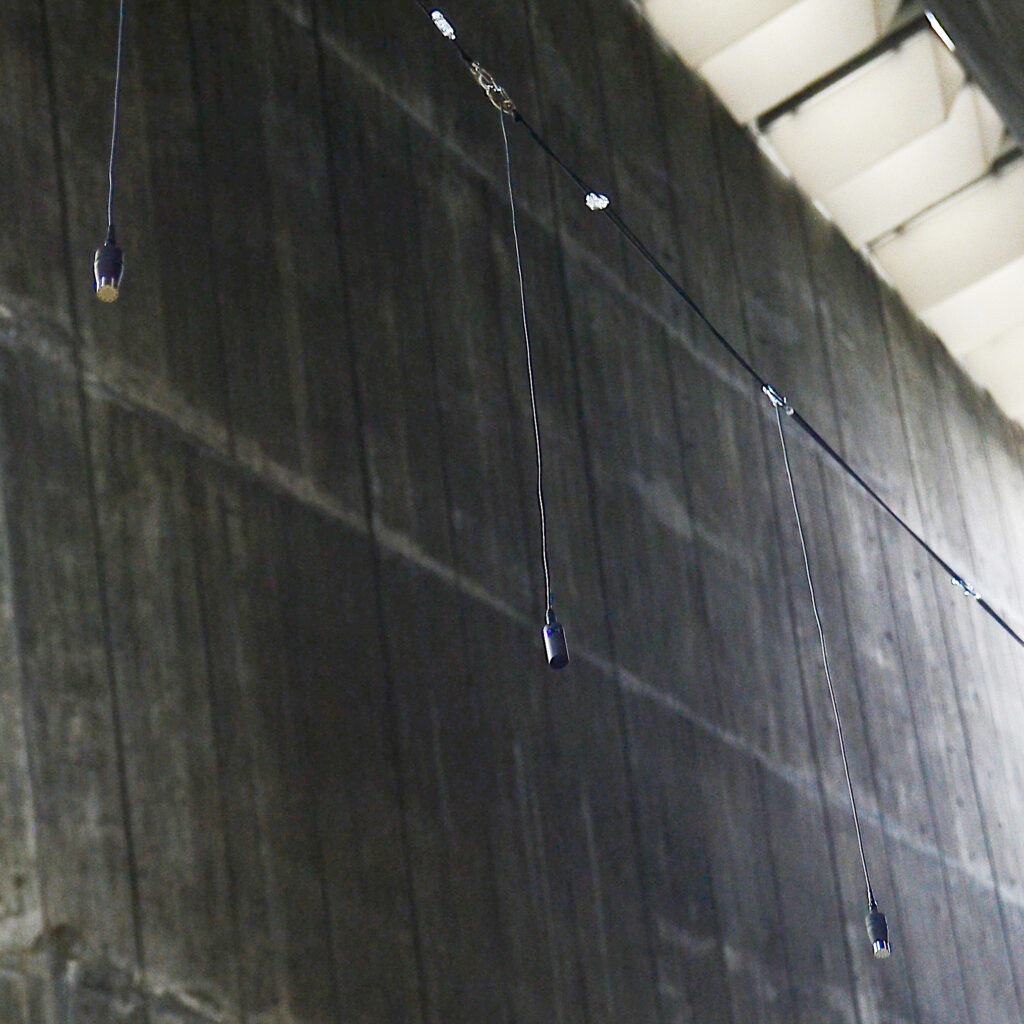
Three main microphones were used, spaced 80 centimeters apart in a straight line, employing the Philips (Onno Scholze) technique. For the microphone capsules, Neumann KM 133 Ds were used in the left and right channels, while a Sennheiser MKH 8020 D was used for the center channel. The array was positioned almost directly above the conductor, at a height of around 3.5 meters.
Mid-Layer Side and Rear Mics for Ambience:
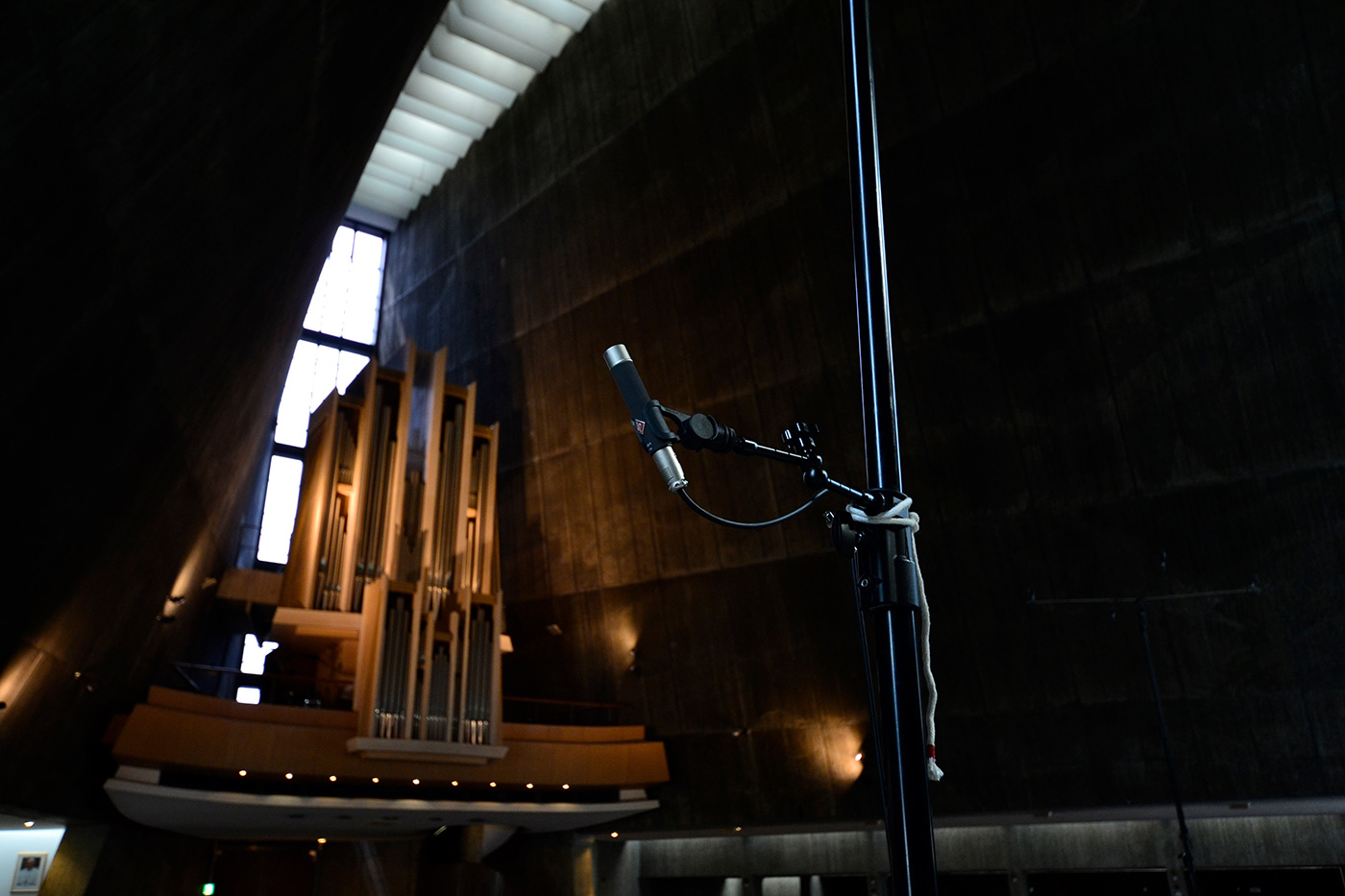
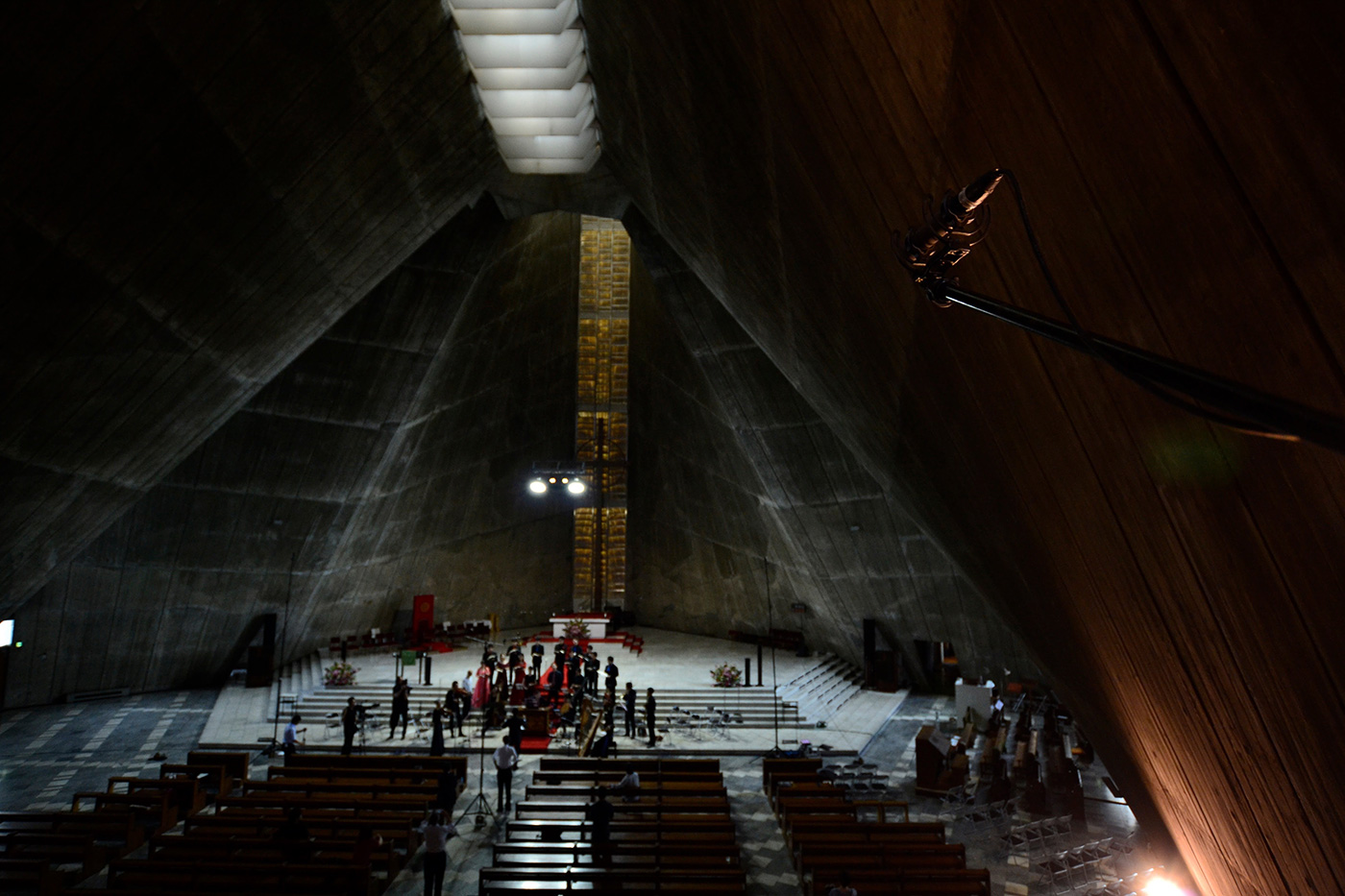
For the mid-layer ambience microphones, two side microphones were positioned on high stands and aimed toward the left and right sides of the ceiling. In addition, two rear microphones were placed by the pipe organ seat on the second floor behind the audience seats. These were Neumann KM 131 A microphones, the only four analog microphones used for this recording.
Top-Layer Microphones for Ambience:
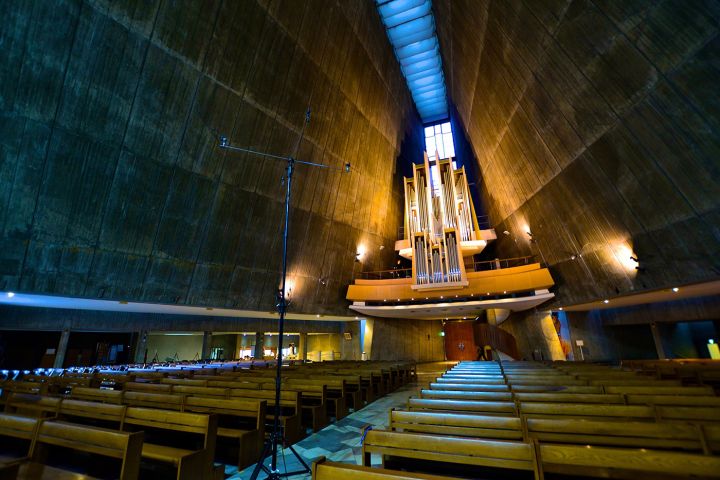
For this recording, height surround microphones were used in the top layer of the 3D surround setup to capture the rich reverberations within the cathedral. A 4.5-meter-high stand was erected near the center of the front row audience seats, where the reverberations could be heard most abundantly. On it, four wide cardioid digital microphones were arranged in a 1.5-meter square array. The capsules used were Sennheiser MKH 8090 D.
Spot Microphones:
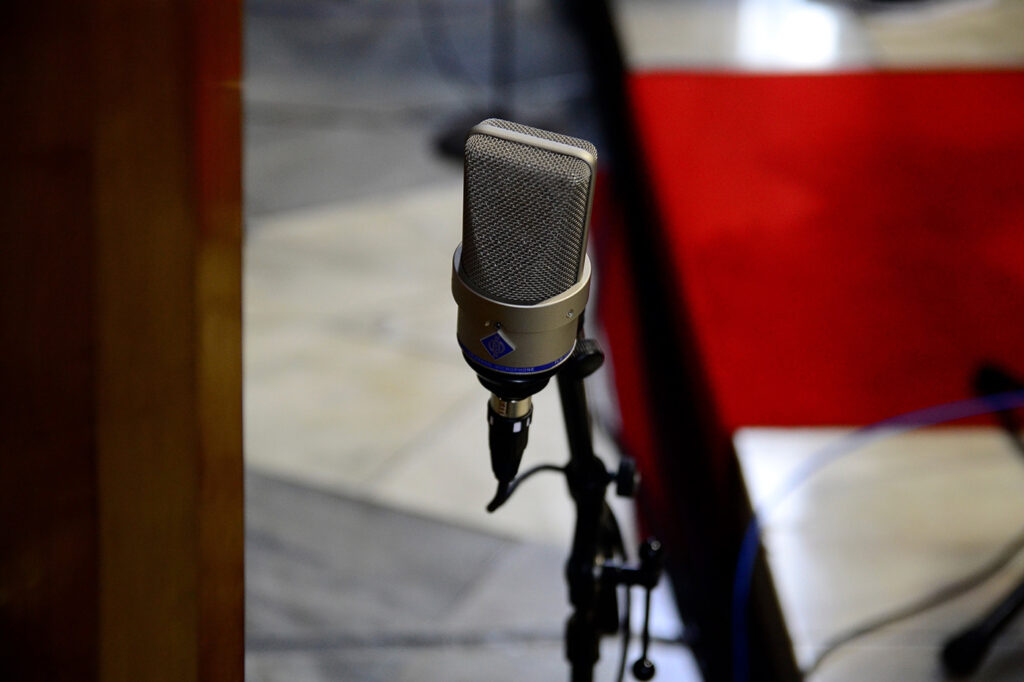
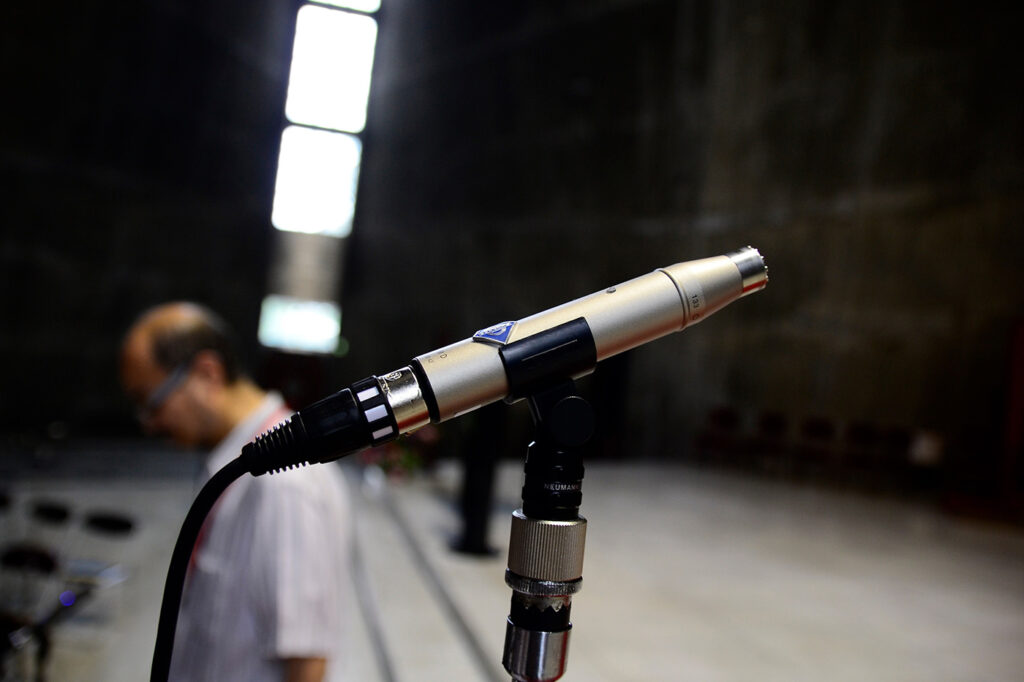
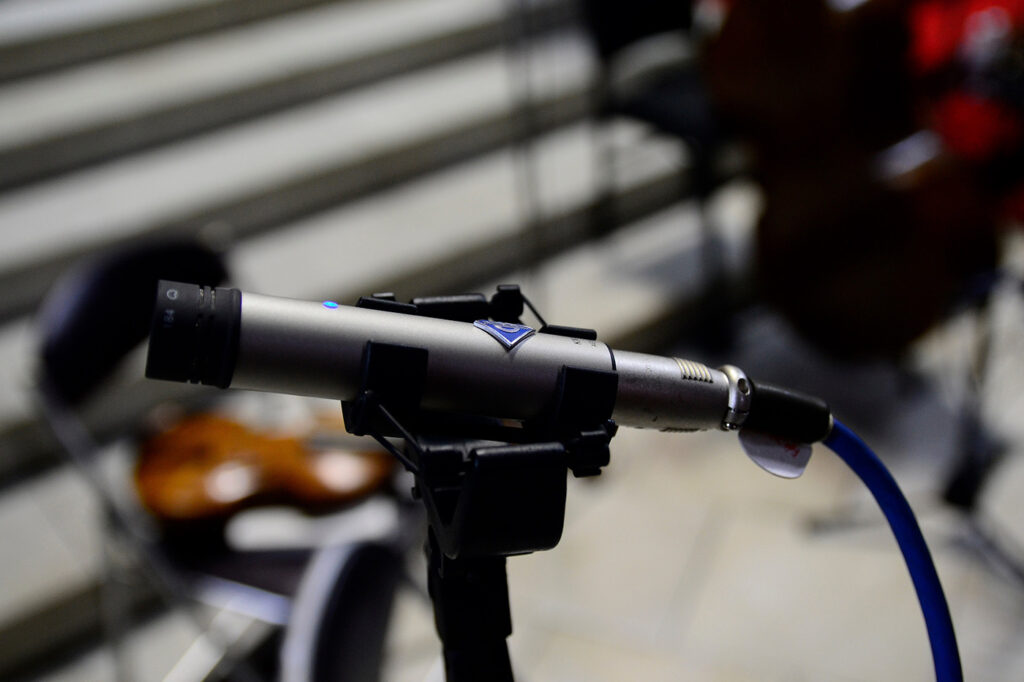
A total of 17 spot microphones were positioned on the stage, all of them digital. These were connected to the microphone preamps at the side of the stage.
Mic Preamps: RME DMC-842/Micstasy/Neumann DMI-8
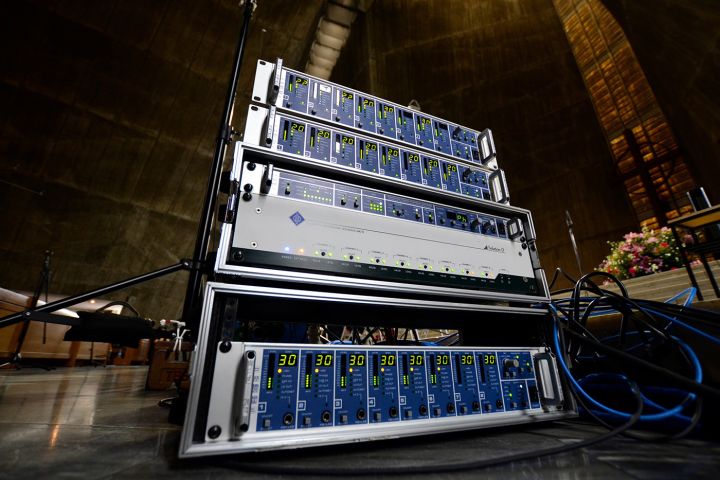
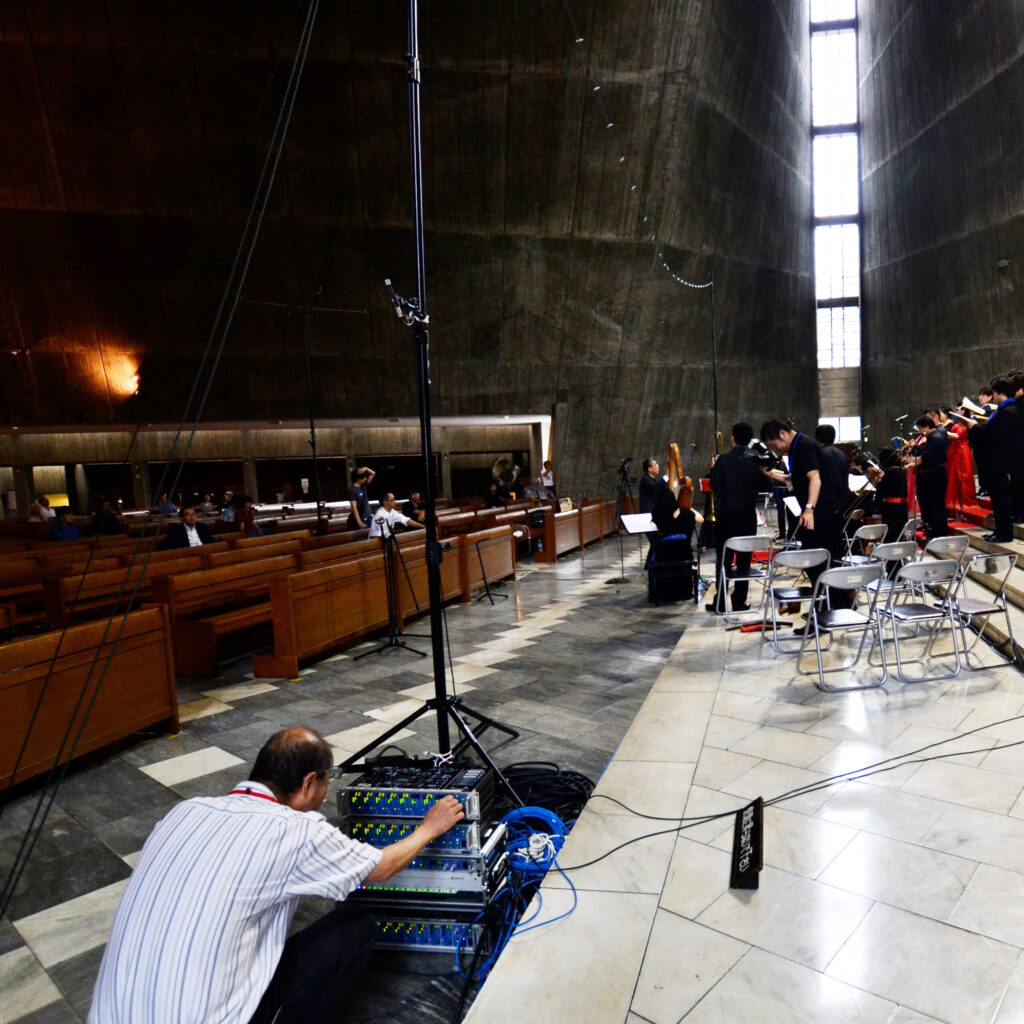
The photo above shows the microphone preamps positioned at the side of the stage. From top to bottom, there were two RME DMC-842 units, an RME ADI-842 unit, a Neumann DMI-8 unit, and an RME Micstasy unit. In total, these units provided 32 channels.
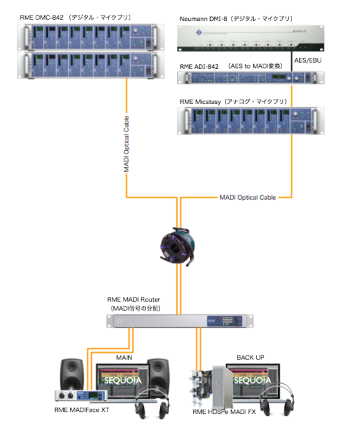
The RME DMC-842 and Neumann DMI-8 were the digital microphone preamps used for all digital microphones, which were connected via AES/EBU digital cables. Because the A/D conversion was done within the microphones themselves, there was far less signal degradation than when using standard analog microphones, resulting in a clear sound with extremely low noise. It was for this reason that these microphones were chosen for this recording. All microphones and preamps were connected via MADI (using optical cables). However, since the Neumann DMI-8’s signal was output via AES/EBU, an RME ADI-642 was used to convert the signal from AES/EBU to MADI. As the preamps beside the stage were around 30 meters away from the recording area where the MADI interface and PCs were located, MADI optical cables were used to connect them. The MADI optical cables used were drum-type cables, so four optical cables could be consolidated into a single cable. This allowed for the signals for up to 32 channels to be routed in a single run, as shown in the diagram above.
The recording system was set up in a separate room. Including backups, signals from a total of 32 channels were initially received by the RME MADI Router, at which point the signals were split into two. These were recorded by the main and backup systems at 192kHz/24-bit resolution. The system was very simple and compact, as can be seen from the photo.
Audio Interfaces: RME MADIface XT, HDSPe MADI FX
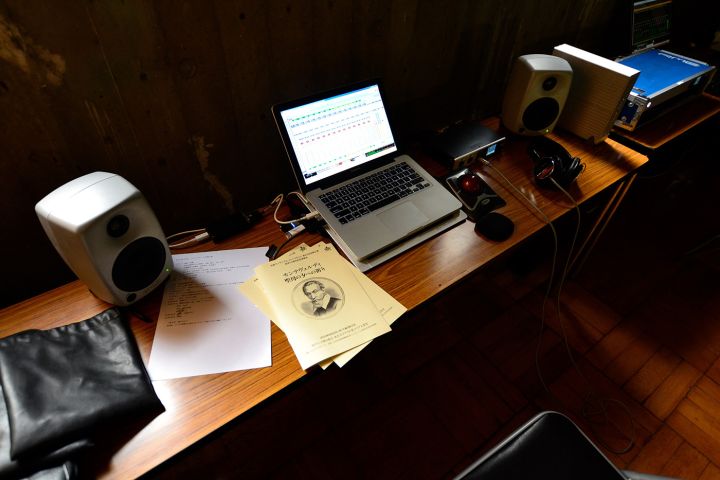
For the audio interfaces, an RME MADIface XT was used for the main system, and an RME HDSPe MADI FX was used for the backup. Both interfaces are incredibly compact, but they can receive MADI signals from up to 192 channels (at 48kHz). When operating at a 192kHz sampling rate, this number falls to 48, but since this recording only required 32 channels, this posed no issue whatsoever. The monitor speakers on the desk were connected directly to the analog output of the MADIface XT. Together with the headphone output, this convenient setup eliminated the need for excess equipment in an environment where monitoring was required.
DAW Software: MAGIX Sequoia 13
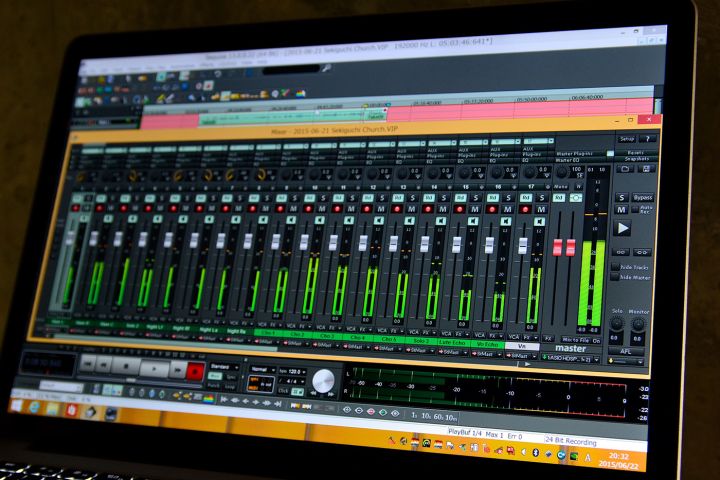
For this recording, both the main and backup systems used MAGIX Sequoia 13, running on MacBook Pros that were booted using Boot Camp. This DAW software supports sampling rates of up to 384kHz and is famed for its excellent sound quality. However, it also supports much higher buffer sizes than standard DAW software. During a concert recording, where buffer underrun errors can cause the recording to stop, this stability made it possible to focus on the recording without worry.
Interview:
Shigeru Saito and Tetsuro Hanai
Promotional Video:
Audi Coelum
Promotional Video:
Duo Seraphim
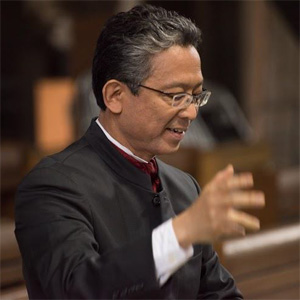
Tetsuro Hanai
(conductor)
Early music performer. After graduating from Waseda University’s Faculty of Humanities and Social Sciences, having majored in Philosophy, he studied organ and harpsichord at the Sweelinck Academy in Amsterdam. He earned diplomas in choral and orchestral conducting at the Rotterdam Conservatorium (Codarts), and studied early music vocal ensembles under Rebecca Stewart at the Brabant Conservatorium. While in Europe, he worked as a church musician, choir conductor, and keyboard player, as well as engaging in researching and performing Gregorian chant. In 1997, he founded Vocal Ensemble Capella in Tokyo, which continues to perform Renaissance and Flemish sacred music pieces. In 2005, he founded the early music ensemble Contraponto, serving as its leader. The ensemble focuses on performing Baroque sacred music, primarily from the 17th century. He also teaches orchestras, choirs, and vocal ensembles specializing in early music, promoting performances grounded in a thorough understanding of early music. He is the director of the Fons Floris Early Music Academy and a lecturer at the Kunitachi College of Music.
Official website:https://www.fonsfloris.com/tetsi/
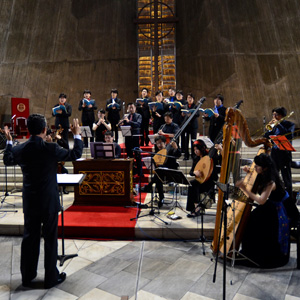
Early Music Ensemble Contraponto
Founded in 2005 under the leadership of Tetsuro Hanai, this ensemble of early music vocalists and musicians specializing in period instruments has a repertoire centered on sacred music from the late Renaissance through Baroque, with a focus on the 17th century. In 2010, it established an associated choir. The ensemble arranges each piece they perform in accordance with the program, be it individual instrument and vocal ensembles, a cappella choral performances, soloists, choruses, or Baroque orchestras. To maximize the potential of each work, the ensemble aims for a performance style that is committed to the specific era and region of that work. Vocalists and instrumentalists share a common vision not only of music, but of sound itself, with the ensemble aiming for performances that are counterpoint-driven while harnessing each musician’s individual creativity. Their repertoire to date is diverse, including Renaissance music by Palestrina, Victoria, and Gesualdo; the Golden Age of Venetian sacred music by Gabrieli and Monteverdi; the three “great S’s” of German Baroque—Schein, Scheidt, and Schütz; Spanish villancicos and religious works from 18th-century Jesuit missions in Latin America; and French Baroque composers Charpentier, Lully, Du Mont, Campra, Jean Gilles, Couperin, de Lalande, and Mondonville. Celebrating its 10th anniversary in 2015, the ensemble performed Monteverdi’s Vespro della Beata Vergine (Vespers) at a commemorative concert in June, which was highly acclaimed.
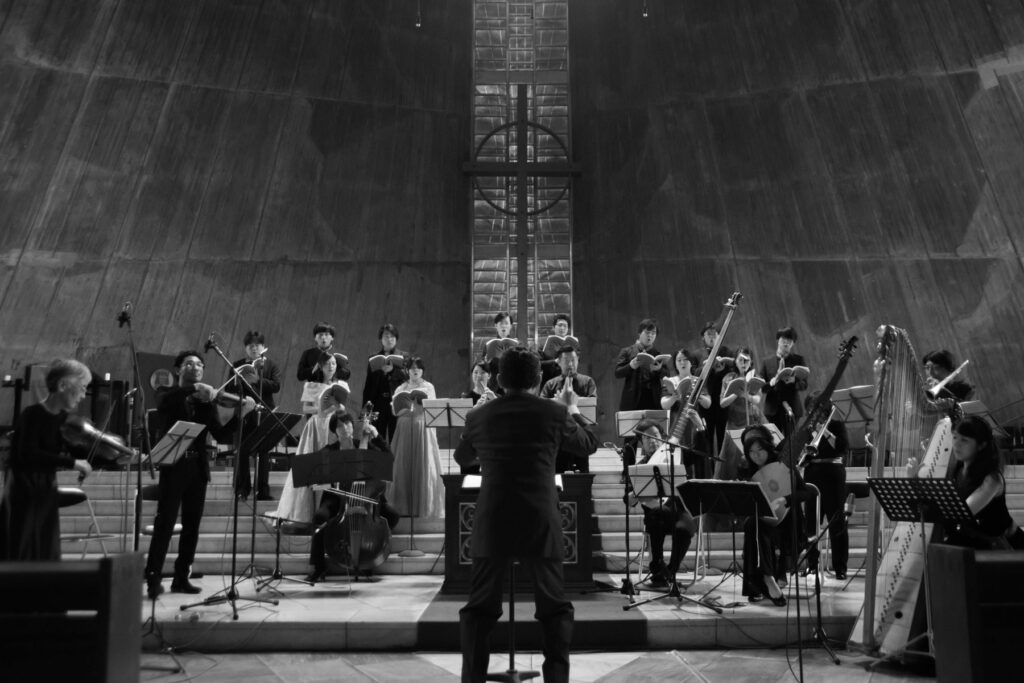
Soprano: Naomi Hanai, Aya Kaburaki, Naoko Kamiyama, Sachiyo Tamura
Alto / Tenor: Makoto Sakurada, Taku Sato, Kenichiro Watanabe, Seiji Kanazawa, Shinya Numata, Yasunari Tomimoto
Bass: Yasuto Kasuga, Genki Sakurai, Eitaro Matsui
Violin: Mari Ono, Hiroki Tanzawa
Violone: Nakako Nishizawa
Cornett: Kuniko Ueno, Masahito Kasahara, Daisuke Hosono
Trombone: Nobuko Miyashita, Kuniharu Ouchi, Hiroki Sanda
Flute / recorder: Liliko Maeda, Kiichi Suganuma, Yasuto Kasuga
Lute: Hiroshi Kaneko, Asako
Triple harp: Mie Ito
Organ: Naoki Ueo
Official website: https://www.fonsfloris.com/c/
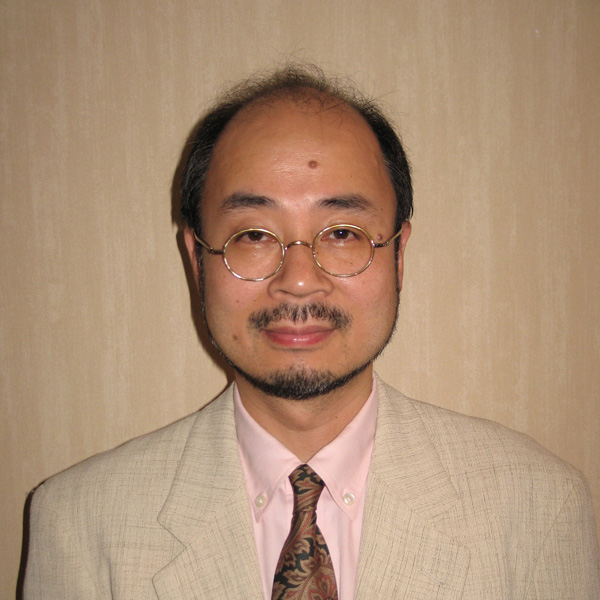
Hideo Irimajiri
(engineer)
Born in 1956. Graduated from the Kyushu Institute of Design in 1979 with a degree in acoustic design, and again in 1981 with a master’s degree in acoustic design from the same institute. He was awarded a Ph.D. in Art and Engineering in 2013 for his research on reverberation. He began recording as a student, exploring 4-channel recording and spatial acoustics in particular, which form the foundation of modern surround recording. In 1981, he joined Mainichi Broadcasting System, Inc. He worked in the video technology, audio technology, hall technology, and postproduction departments before becoming a technical manager. He researched loudness issues in broadcasting and has also worked towards standardization as a member of ARIB and The Japan Commercial Broadcasters Association. In the audio department, he was involved in projects such as the broadcasting industry’s first Dolby Surround live broadcast of high school baseball. He also pursues personal recording projects under the name Jiro Iruma, producing CDs for the Osaka Shion Wind Orchestra, and is involved in creative activities, composing music such as the opening theme for the JNN National High School Rugby Tournament and the music for the PC game Record of Lodoss War.
