
Engineer’s Notes
When I was young and so beautiful
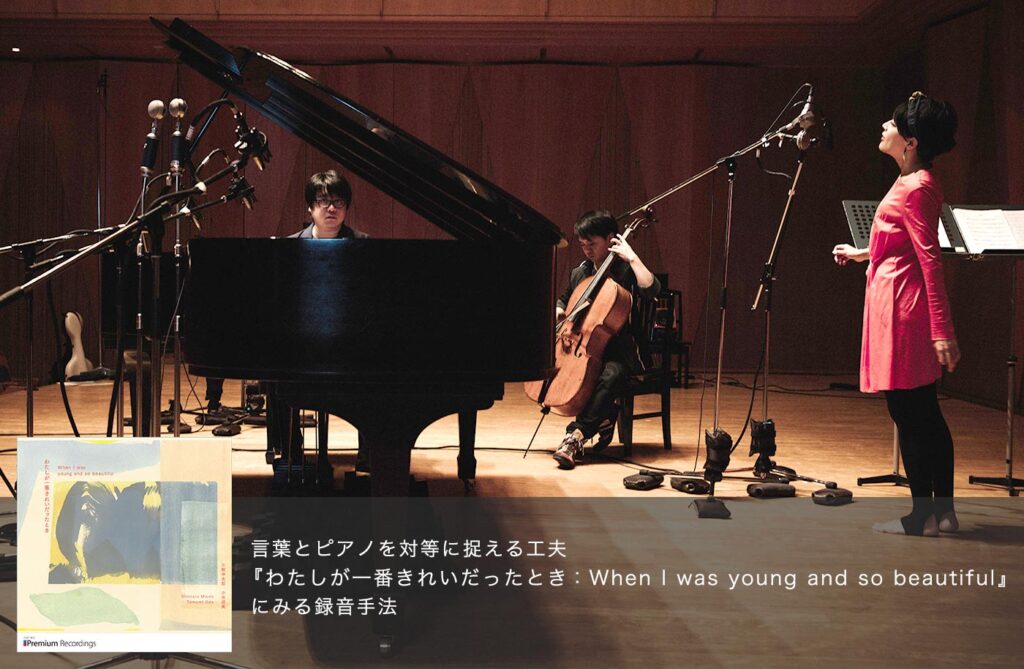
Recording Techniques Used in When I was young and so beautiful—Achieving Balance Between the Piano and the Spoken Word
To sum it up in a single phrase, one might call it “literary music”—or perhaps “musical literature” would be more apt. Poetry, said to have existed long before the written word, was originally comprised of voice and song. Rediscovering the allure of poetry through this work is Tomomi Oda, whose ethereal vocals were also featured on RME Premium Recordings’ Shintaro Mieda – Orquesta de la Esperanza. Widely respected for her work on the soundtrack to the WOWOW drama series “Spring Has Come,” her performances contain not the slightest hint of stiffness. Every time she sings in the recording studio, she reveals a new form of expression—poems once fixed on the page spring to life. And supporting her is Mieda’s piano, seemingly depicting even the texture of the paper beneath the fingertips as one turns the pages of a poetry collection.

Capturing Mieda and Oda’s universe is engineer Mick Sawaguchi, who achieved the impressive feat of winning the Professional Music Recording Award of Japan three years in a row. With meticulous noise reduction and 192kHz/32-bit high-quality sound recording, Sawaguchi continues to venture into unexplored territory, including the daring decision to use an omnidirectional digital microphone for vocals. The 5-channel surround sound offers an adventurous experience distinctly different from 2-channel stereo. Additionally, this work includes an experiment in which the analog mix was recorded in DSD using the RME ADI-2 Pro, capturing the same performance through a completely different lens.
Recording Engineer: Mick Sawaguchi

Graduated from Chiba Institute of Technology’s Department of Electronic Engineering in 1971 and joined NHK in the same year. As a mixer for dramas, he worked on some award-winning productions that received the Arts Festival Grand Prize, the Hoso Bunka Foundation Award, the IBC Nombre d’Or Award, and the Vatican Hope Award, among others. Since 1985, he has been engaged in surround sound production, earning him the nickname “Surround Shogun” overseas. In 2007, he established the high-quality music production UNAMAS label. To further promote surround music software, he launched UNAMAS-HUG/J in 2011, providing high-quality music streaming and CD production services with 24-bit/96kHz and 24-bit/192kHz formats. At the 20th Japan Professional Music Recording Awards in 2013, Jun Fukamachi’s Reimei (UNAHQ-2003) won the Excellence Award in the newly established Non-package 2CH category. In 2015, at the 22nd Japan Professional Music Recording Awards, The Art of Fugue won the Excellence Award in the High-Resolution Multi-channel Surround category, with Death and the Maiden also winning the Excellence Award at the 23rd Awards. Contigo en La Distancia won the Grand Prize in the same category at the 24th Awards, making for an amazing three consecutive wins for Sawaguchi. Continuing to lead the field, Sawaguchi embodies how software production should be approached in the high-resolution era.
Recording Techniques Used in When I was young and so beautiful
Recording date and location: October 5-6, 2017, Mitaka City Arts Center Kaze no Hall
Recording format: PCM 192kHz/32-bit (float); DSD 11.2MHz (experimental recording only)
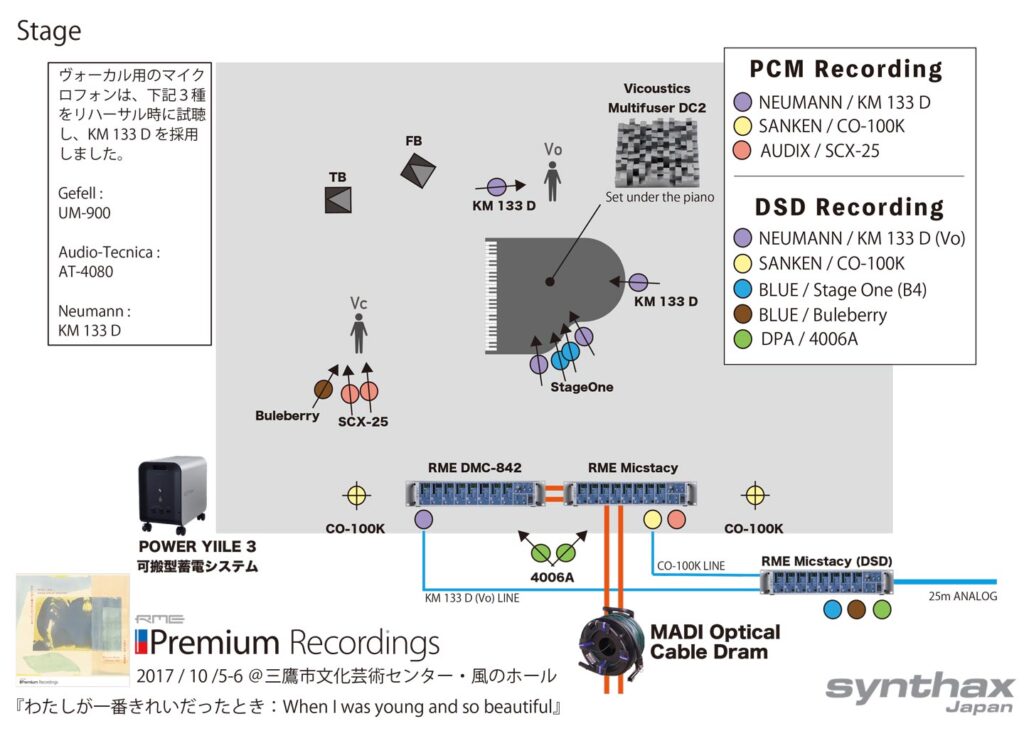
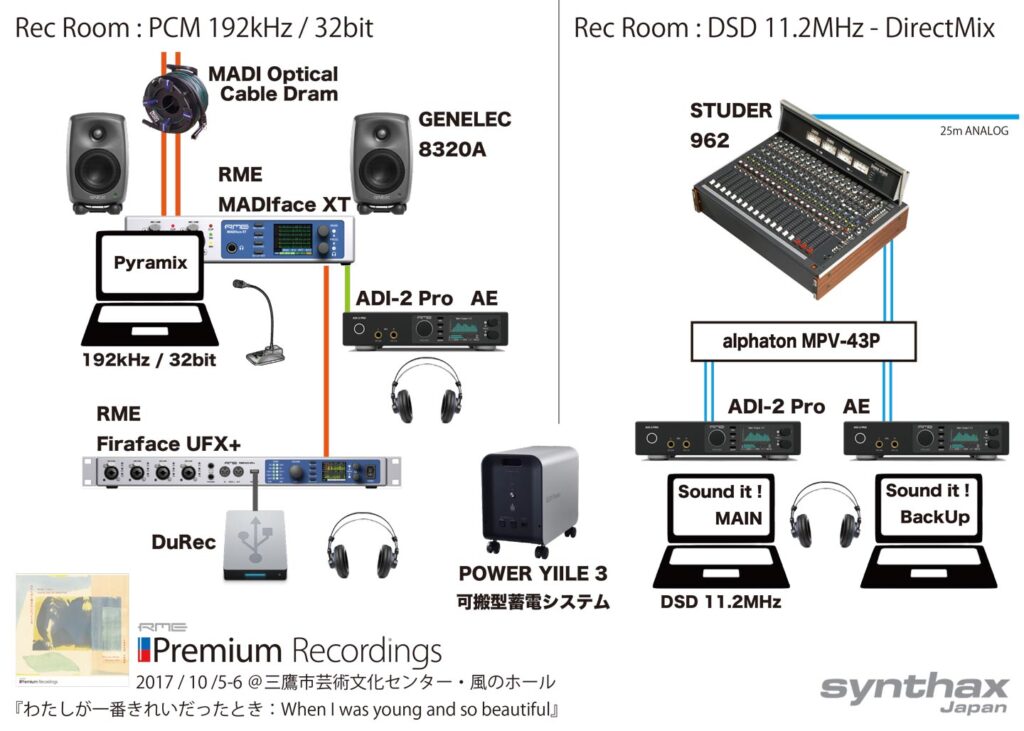
The three pillars of Sawaguchi’s recordings are art, technology, and engineering, with every recording conducted in accordance with these principles. The concepts for this recording were as follows:
1. Art
To achieve balance between the vocals and the piano, and to capture the world created by the piano and the spoken word with a sound distinct from studio recordings (i.e., a sound specific to the concert hall), headphones, which are essential in the studio, were not used for this recording. In addition, great importance was placed on positioning the performers at a close enough distance that they could feel each other breathing and maintain eye contact.
2.Technology
To achieve balance between the spoken word (vocals) and the piano, the piano microphones, which had been placed at a distance for the previous work, Contigo en La Distancia – With You in the Distance, were instead placed at a close proximity this time, achieving a 50/50 balance.
In addition, the KM 133 D, an omnidirectional digital microphone, was selected for the vocals. Capturing the reverberations from the hall at the same time led to an exceptionally natural recording of the vocals.
3.Engineering
As this work is a duet performance, a 9-channel immersive surround sound would have led to excessive reverb. For this reason, the recording used a 5-channel surround sound. Additionally, a small amount of the vocals was fed to speakers installed onstage, creating a balance that made performing easier. At the same time, allowing the vocals to resonate within the hall enriched the hall’s own natural reverb.
Microphones Used:
PCM Version
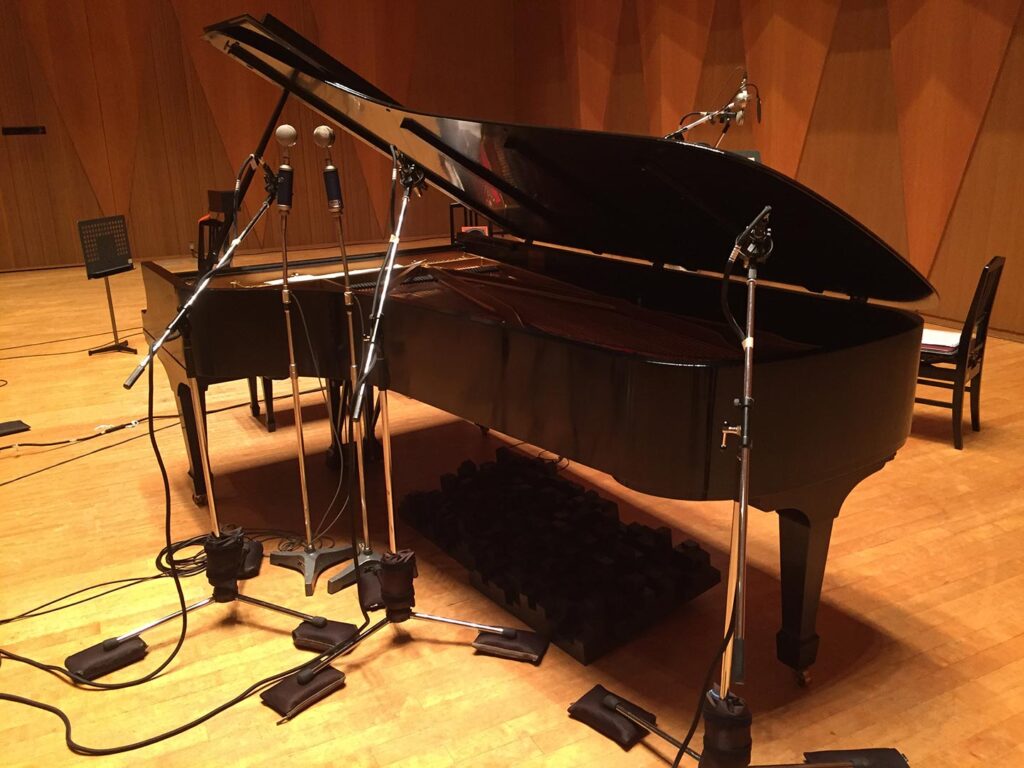
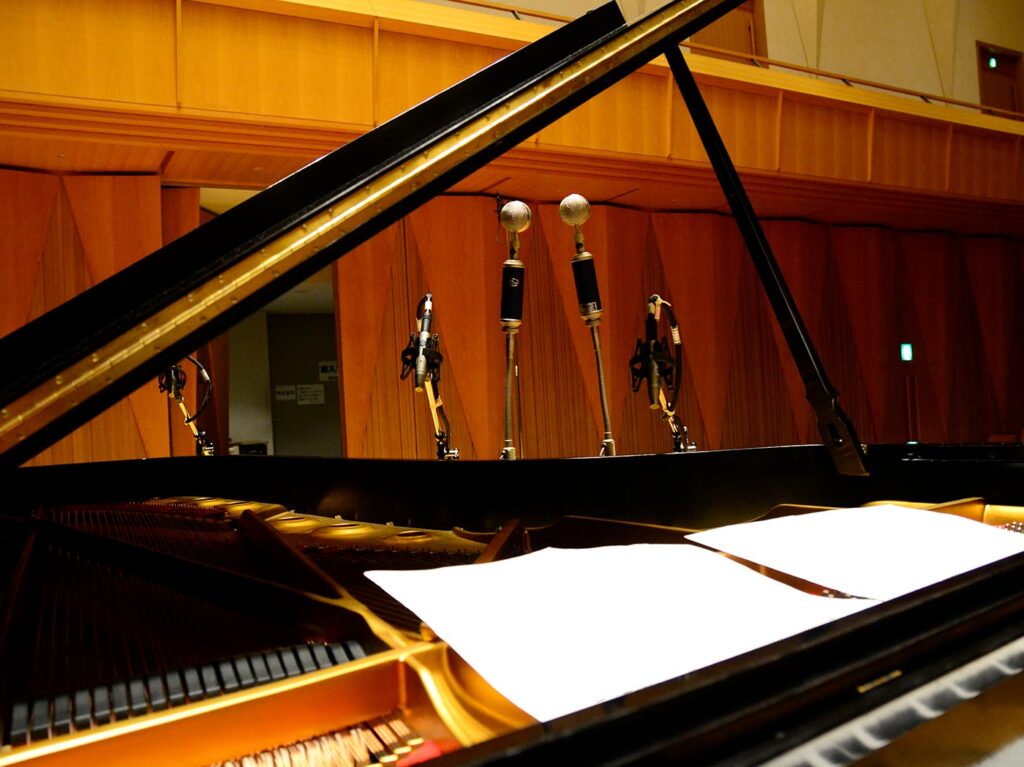
(From the high note side: L, R, C)
The microphones were placed close to the piano to achieve balance between the piano and vocals.
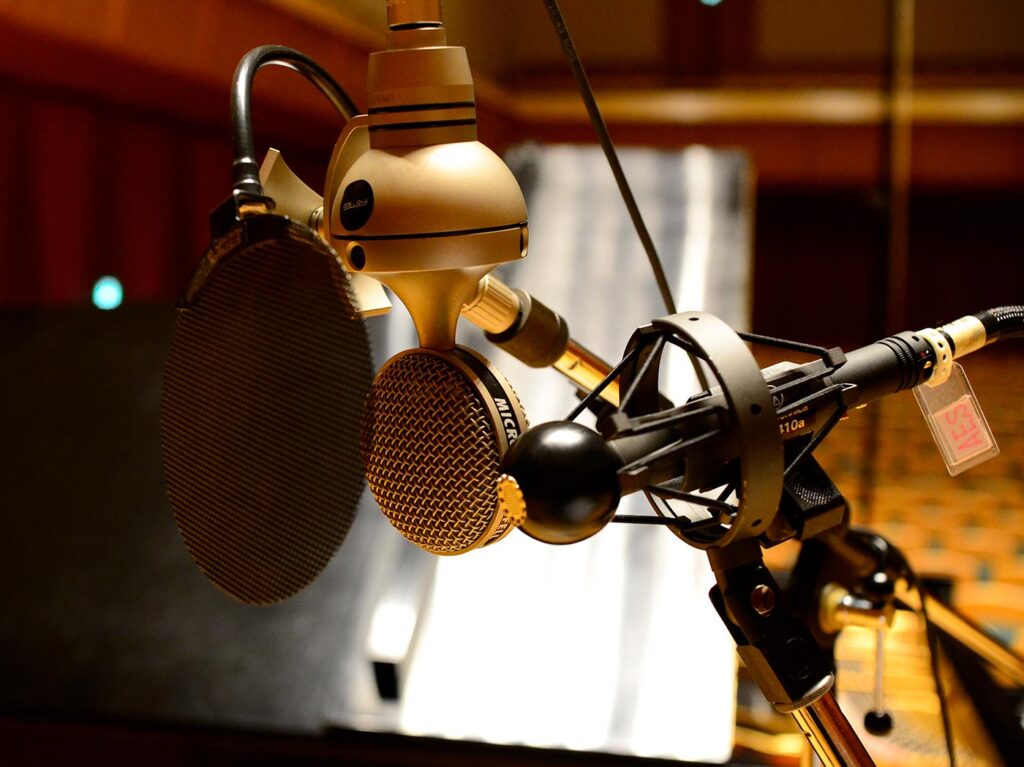
An omnidirectional microphone that captured both the vocals and the hall’s natural resonance at the same time.
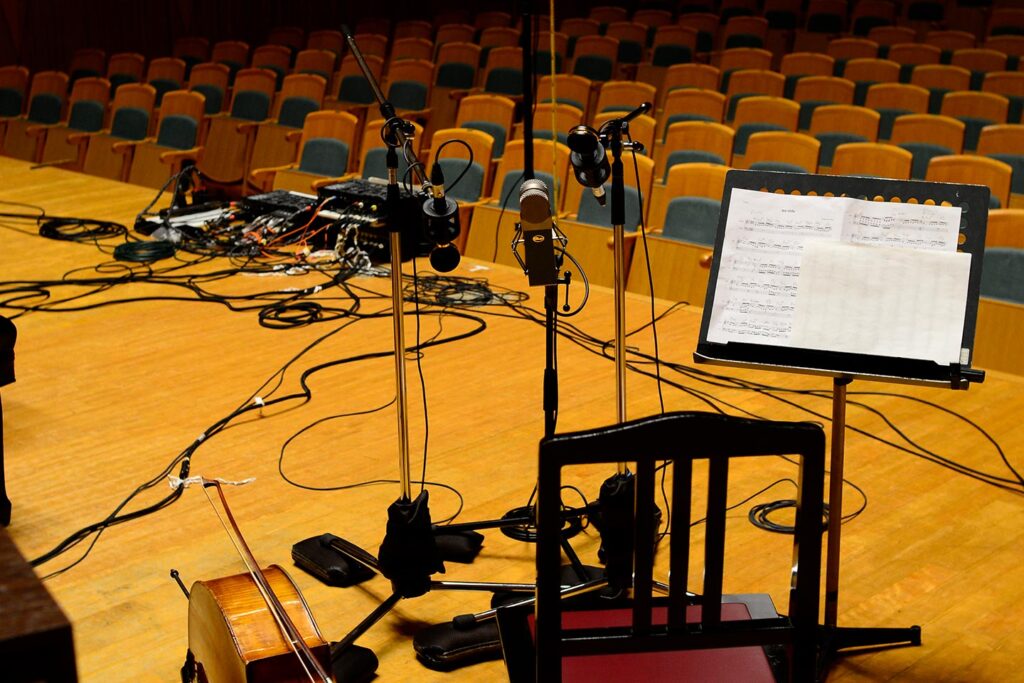
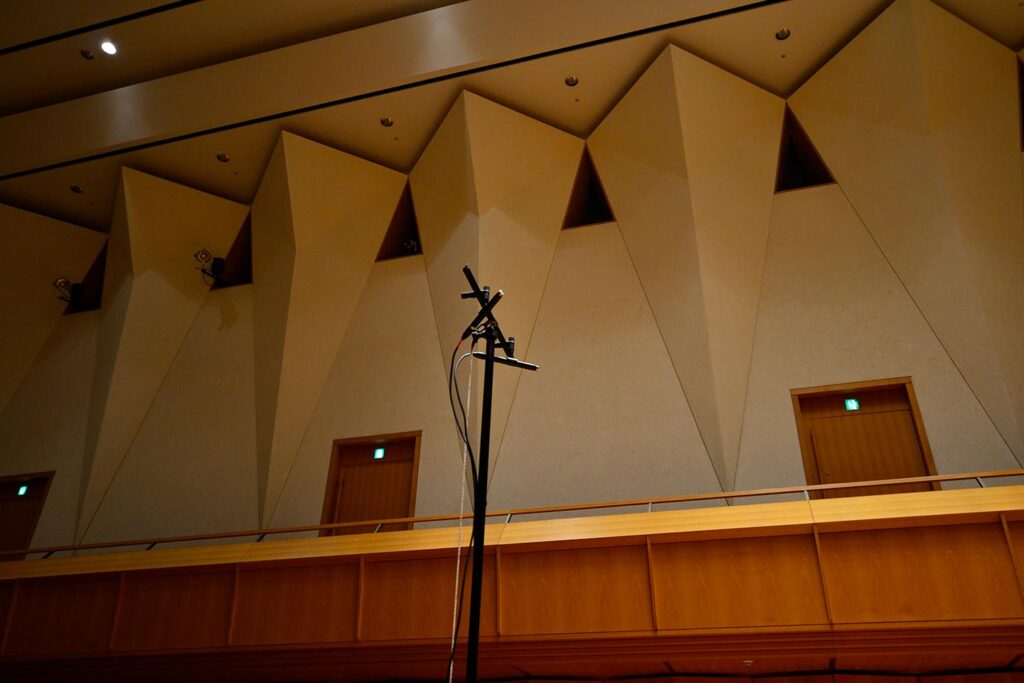
Although the plan made before the recording was to use the omnidirectional Neumann KM 133 D for the vocals, three different microphones, including backups, were prepared and brought to the venue. These were tested and compared during rehearsals. After comparing the Gefell UM-900, the Audio-Technica AT-4080, and the KM 133 D, everyone involved, including the artists, unanimously selected the KM 133 D. The “quietness” of this digital microphone is a distinguishing feature, and as such, it was used for both parts of this piano-vocal duet. The Sanken CO-100K, positioned facing the ceiling, played a key role in capturing the hall tone and the expansiveness of the space. At the same time, it contributed to the expression of the “spaces between words,” a concept at the very heart of this work.
DSD Recording Experiment
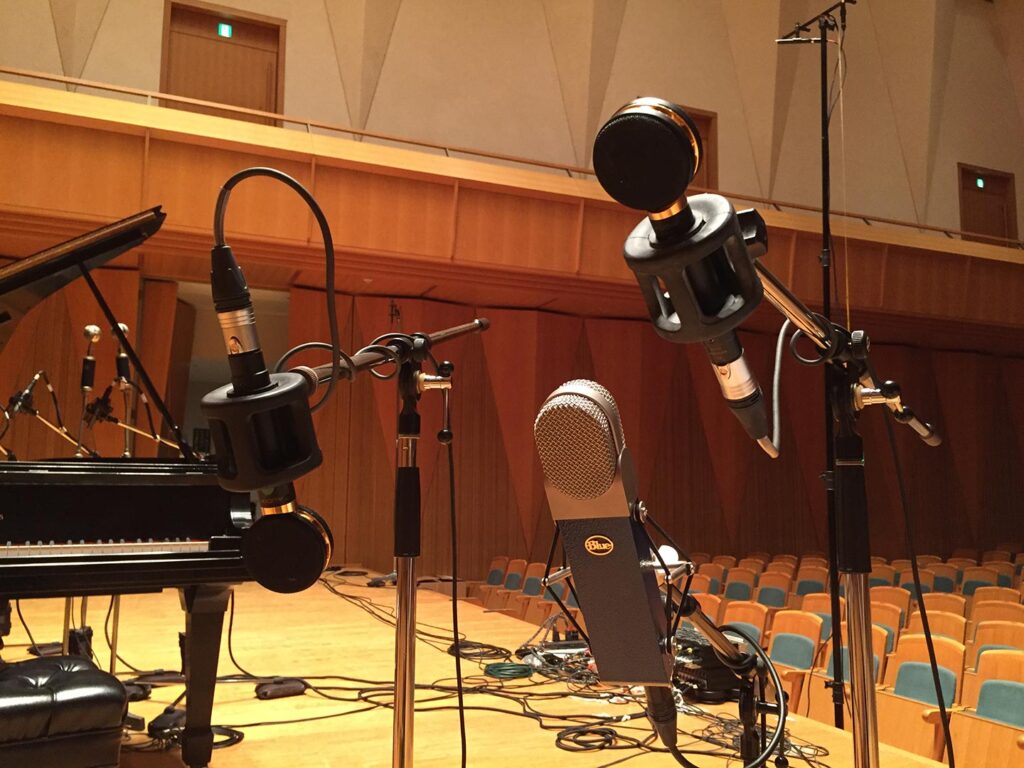
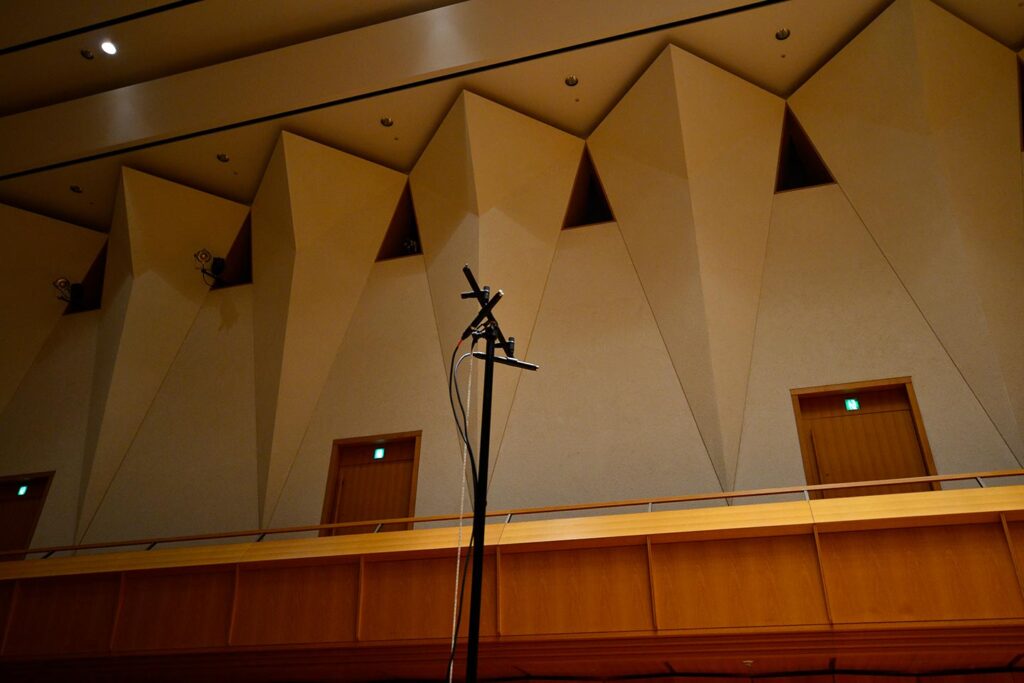
For the experimental DSD recording, the microphones and their positions were determined by our staff. Only the KM 133 D, used for vocals, and the Sanken CO-100K, used for ambience, were split at the microphone preamp line out and used for the DSD recording as well. A distinctive feature of Blue Microphones’ Stage One is that it has interchangeable mic capsules (known as “Bottle Caps”). For this production, the B4 (Big Omni) capsule was selected. The cello, the sound of which is considered to be close to that of a human voice, was recorded with the Blueberry, a microphone widely praised for its use in vocal recordings.
Microphone Preamps:
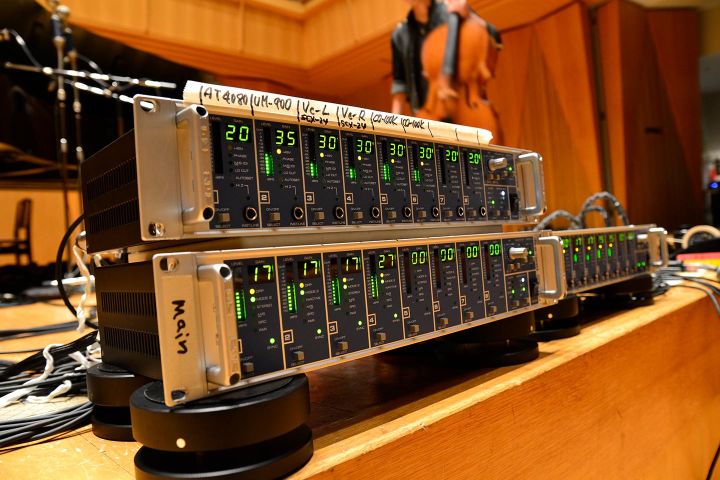
For the microphone preamps, the DMC-842 M was used for the digital mics, while the Micstasy M was used for all analog mics. Since the audio signals were converted from analog to digital onstage (or, in the case of the digital mics, within the mics themselves) before being transmitted via MADI to the control room set up backstage, signal degradation often associated with long analog cable runs was greatly reduced. Additionally, transmitting talkback audio used for communication between the stage and backstage via the same MADI system minimized cabling and greatly reduced setup and teardown time.
Audio Interface:
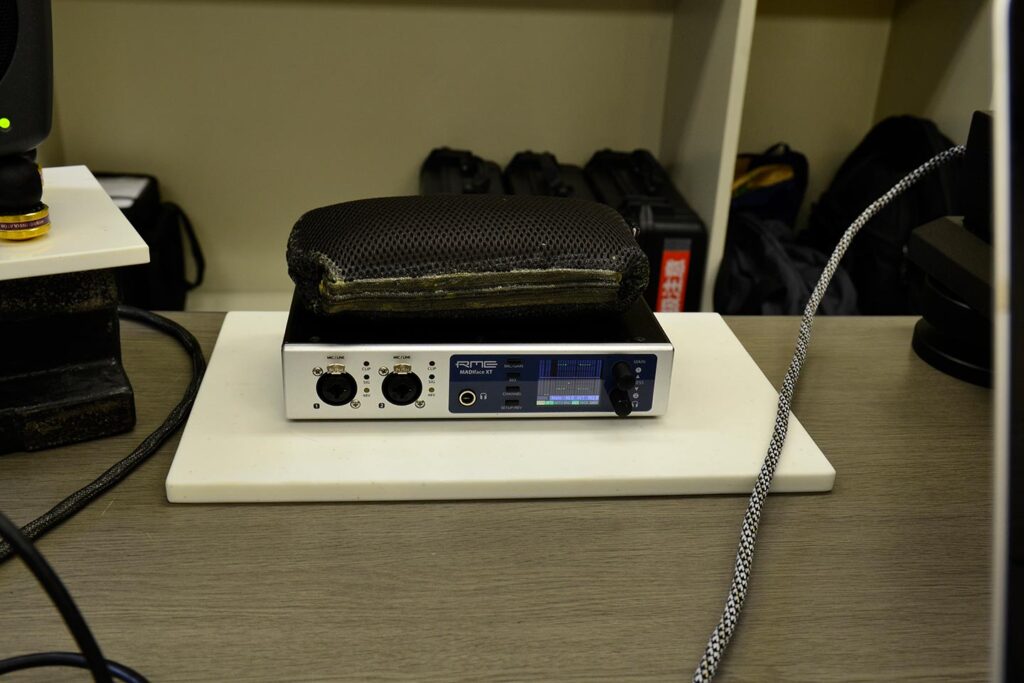
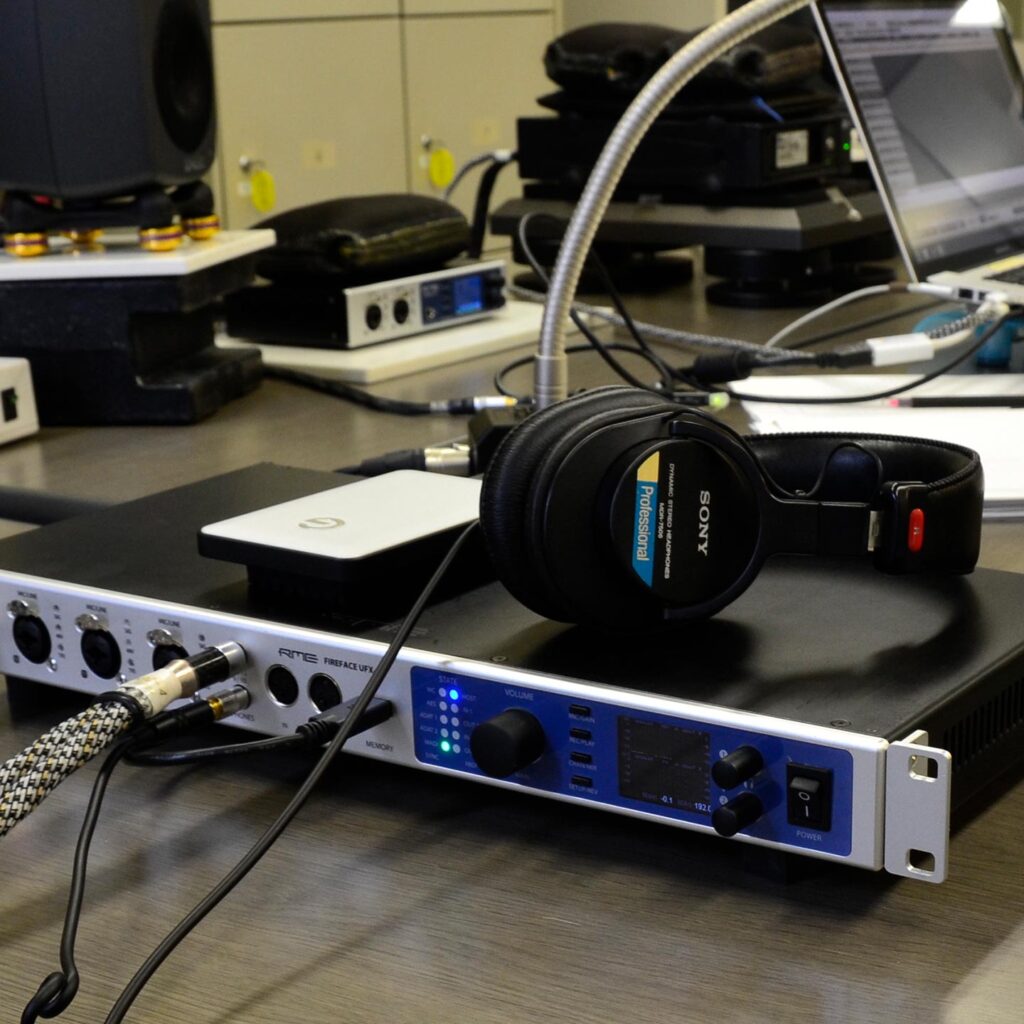
The MADI signal from the stage was transmitted to the MADIface XT via an optical cable and recorded on Sawaguchi’s Merging Pyramix Native, which was used as the main recorder. With the MADIface XT’s mirroring function, the same MADI signal could be fed to the Fireface UFX+. DURec was used to create a backup recording directly to a USB-connected hard drive without the use of a PC.
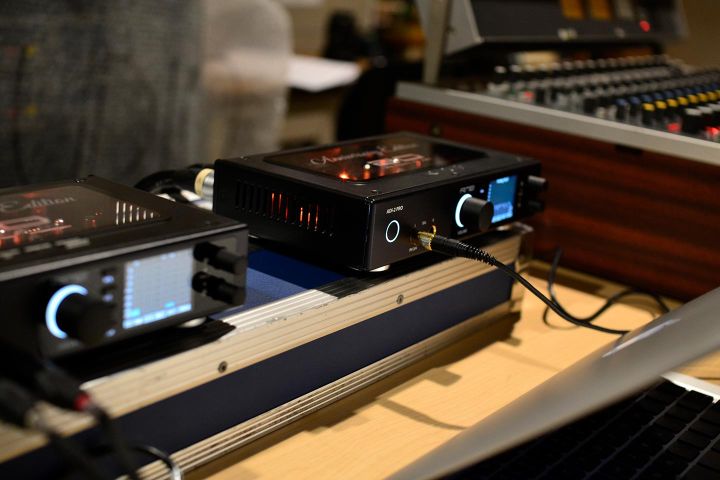
Physical Acoustic Treatment:
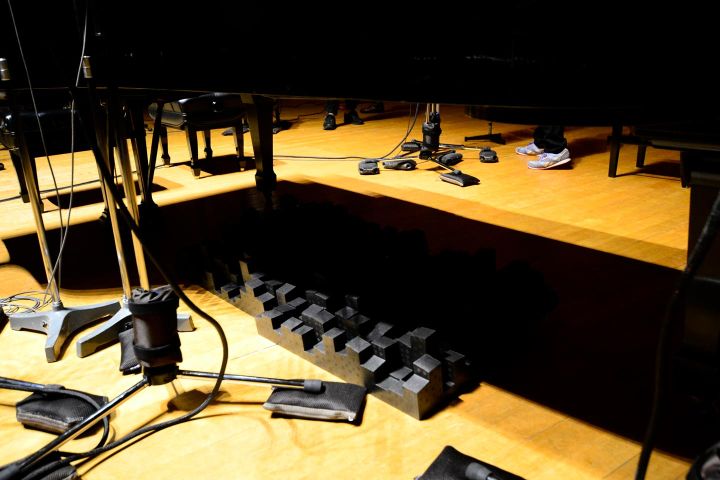
A Vicoustics Multifuser DC2 was positioned underneath the piano. Originally intended for indoor acoustic treatment, it was used here to eliminate the parallel surfaces of the underside of the piano and the stage to elicit multiple reflections and diffusion of sound.
Extensive EMC Noise and Vibration Countermeasures:
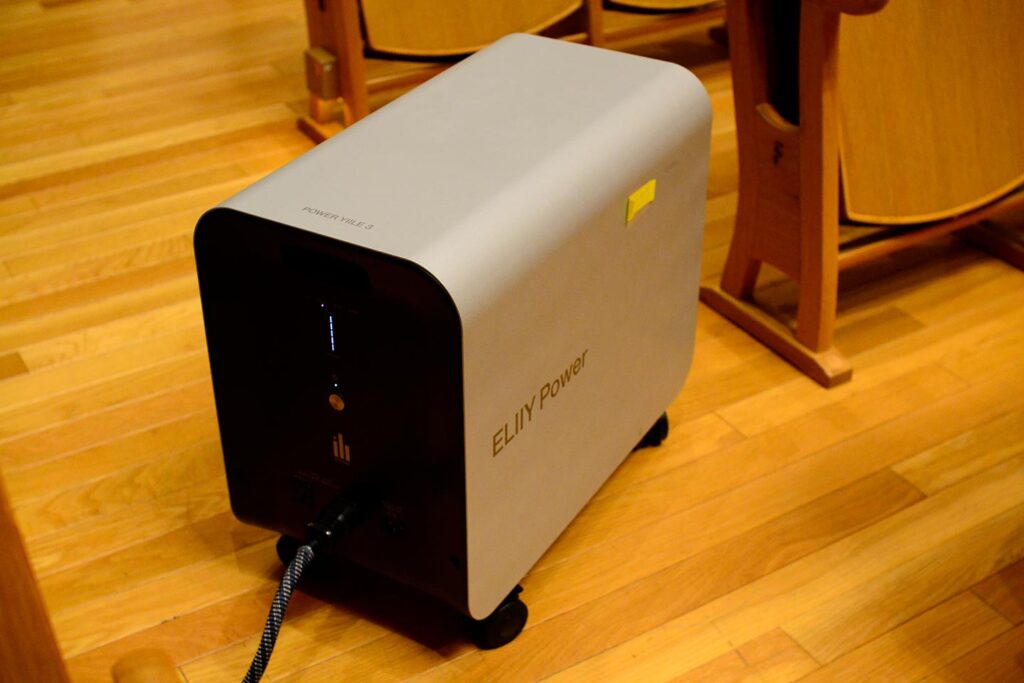
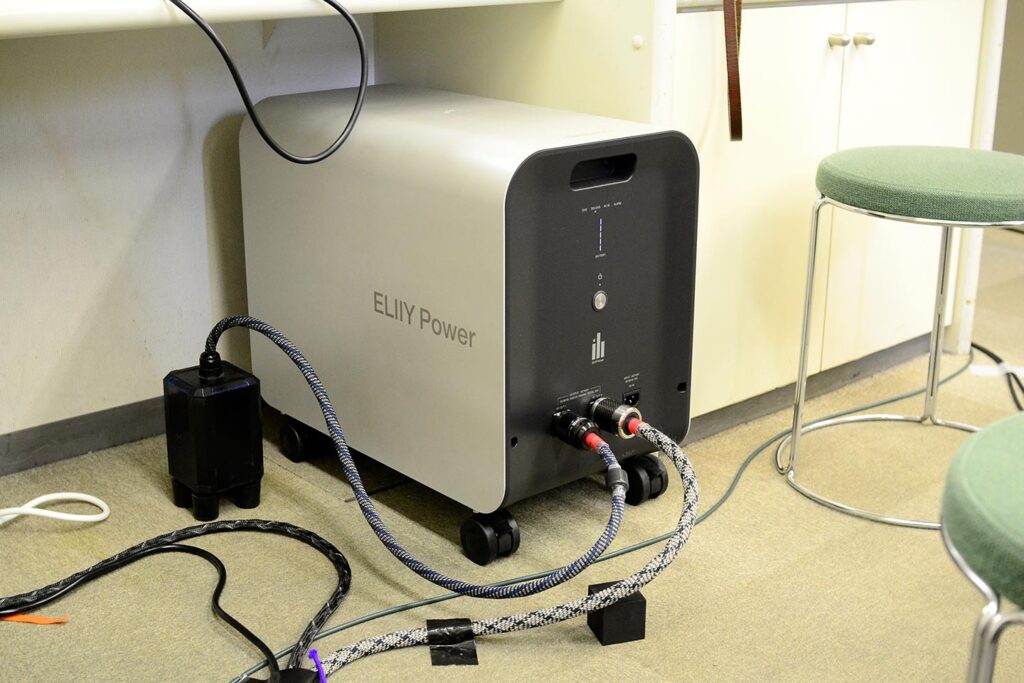
Noise and vibration countermeasures are an indispensable part of any Sawaguchi recording. To thoroughly eliminate any noise that might otherwise be caused by commercial power sources, POWER YIILE units from ELIIY Power were deployed onstage and in the control room to supply power to each piece of recording equipment.
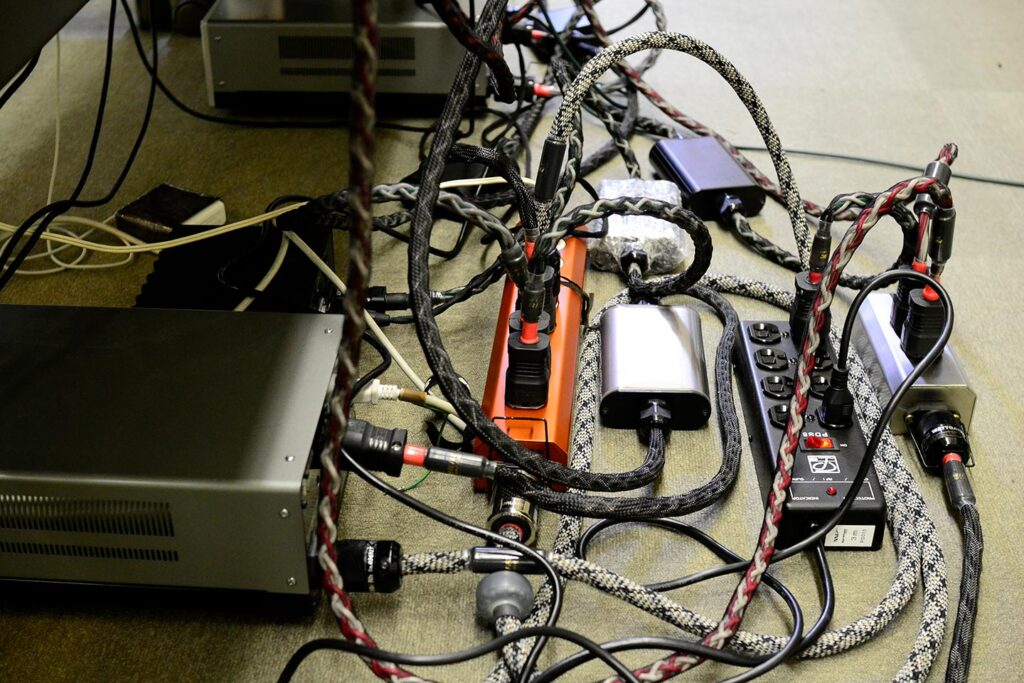
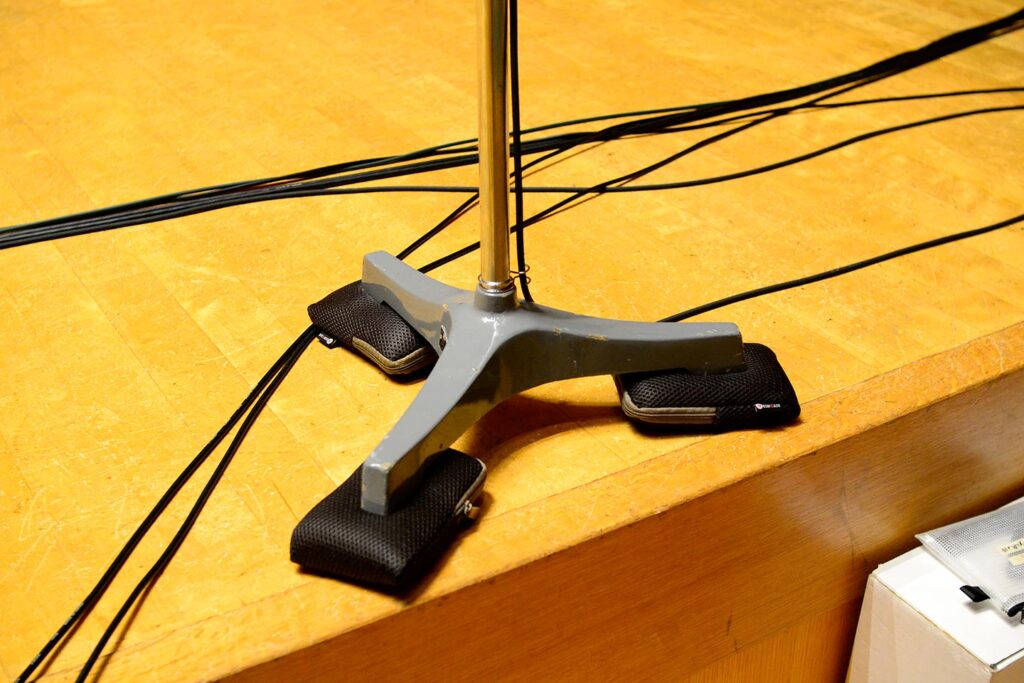
Meticulous measures to prevent noise from components connected to the battery power supply were overseen by Kiyotaka Miyashita (JION). Furthermore, vibration countermeasures were applied not only to the recording devices, but even to the microphone stands. High-resolution formats, with their high level of clarity, also record noise with equally high precision. Great pains were taken to enact a “no noise” policy, and as a result, the recording achieves a level of “quietness” befitting high-resolution content.
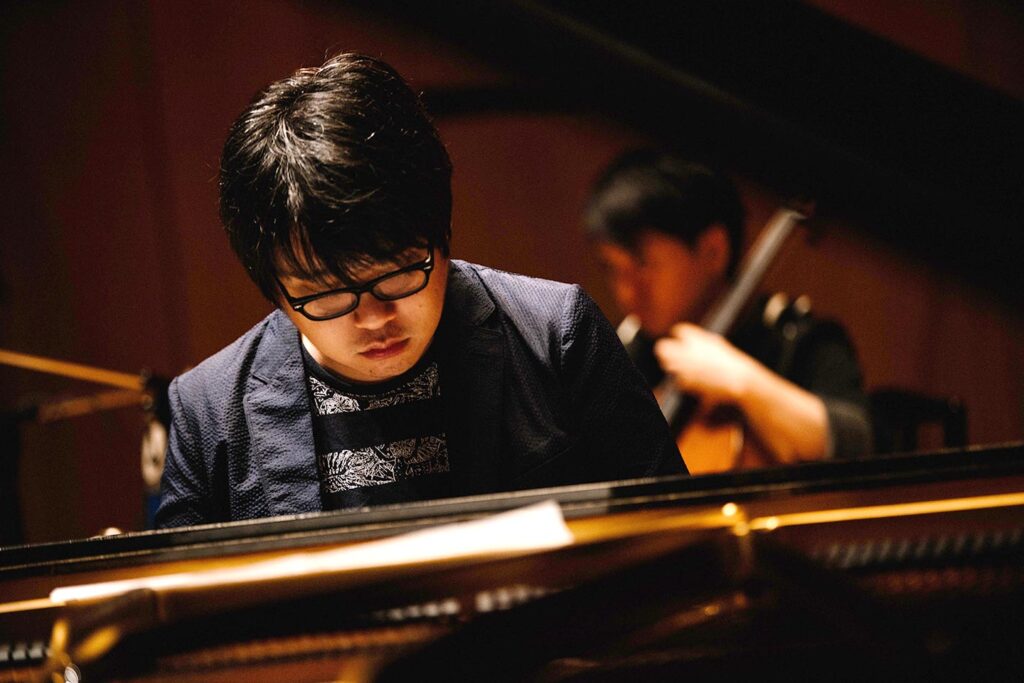
Shintaro Mieda
(Composer, Arranger, Pianist)
Shintaro Mieda was born in 1985 in Kanagawa Prefecture and raduated from the Composition Department of the Graduate School of Tokyo University of the Arts. As a pianist specializing in the Argentinian tango style, he has participated in concerts, tours, and recordings with the bandoneon player Ryohta Komatsu since 2008More recently he has broadened the scope of his musical activities beyond tango to various genres including jazz, pop, and Brazilian music. As a composer he has written songs for singers, worked on music for movies, theater, and dance performances, and been involved in many other projects.In the field of film music he has contributed to projects such as I Was There and Promised Not to Forget and Ah… Kako. In 2017 he served as the musical director for the chanson album Encounter: Singing Michiko Fusayama sung by Kabuki actor Tamazaburo Sakata. As for performing ensembles, he has been active as a member of the Kitanaoki Quartet and Tango-jack. In 2014, he formed the Shintaro Mieda Orquesta de la Esperanza, a group that primarily performs his own original compositions and through which he continues to release innovative works that encompass elements from modern tango, jazz, and contemporary music.
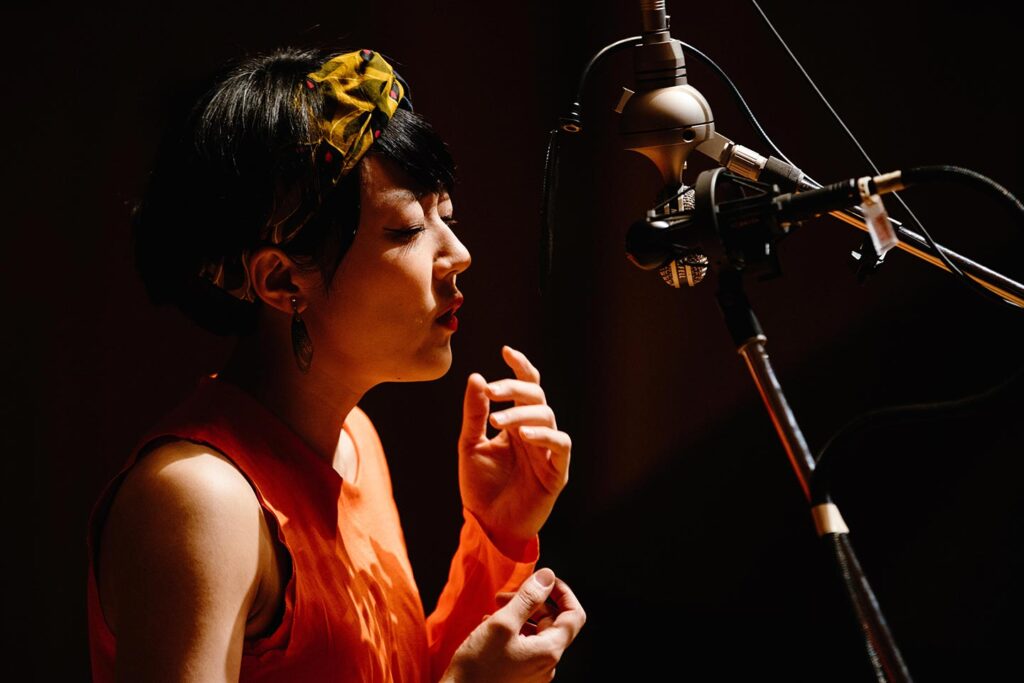
Tomomi Oda
(Composer, Arranger, Vocalist)
Tomomi Oda was born in 1986 in Kanagawa Prefecture and graduated from the Composition Department of Tokyo University of the Arts. A multi-talented musician, she is active as a composer, vocalist, and pianist. In addition to her solo work, she is the vocalist for the musical group CRCK/LCKS, keyboardist for DC/PRG, live performance support member for cero, composer for the collaborative group VOICE SPACE which focuses on poetry and music, and pianist for performances held across Japan with Nidaime Takahashi Takeyama who is the master of the Tsugaru Shamisen, a traditional stringed Japanese instrument. Her diverse career also involves producing music for visual media such as commercials and dramas. In 2013, she released her first album Shaman Hunting (co-produced by Shinko Kikuchi), and in 2017, she released the mini-album Goodbye Blue. She collaborated with Shinko Kikuchi on the music for the film Dynamite Graffiti and composed music for the WOWOW drama series Spring Has Come in 2017.
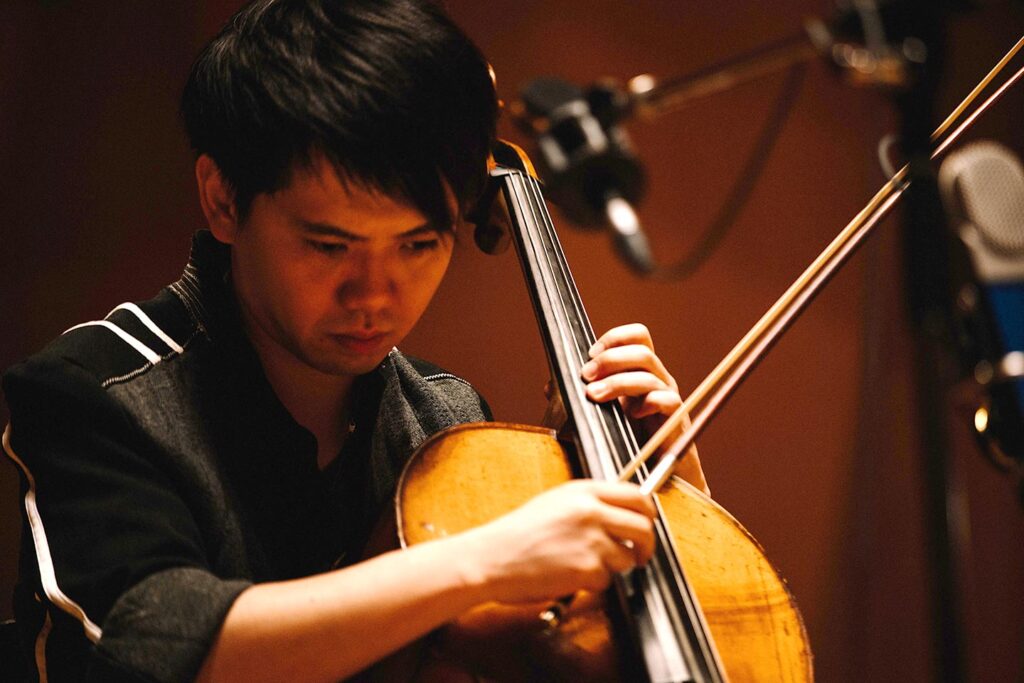
Masabumi Sekiguchi
(Cello)
Masabumi Sekiguchi was born in Tokyo in 1983 and graduated from the Tokyo Metropolitan High School of Arts, and later from the Instrumental Department of Tokyo University of the Arts. His musical studies began when he started playing the cello at the age of 3. As a cellist, he is involved in a wide range of musical endeavors including studio work, performing as a supporting musician for various artists, arranging, and audio recording. He is the leader of the instrumental post-rock band Ja3pod. He is also a member of Kikuchi Naruyoshi and Pepe Tormento Azcarar, phonolite strings, and VOICE SPACE. He has participated as a supporting artist for a wide range of artists including Tomomi Oda, Natsuyasumi Band, Mononkuru, cero, Reisaburo Adachi, Mugi Furukawa, Sho Nakamura, Utsukushiki Hikari, kaco, and more.
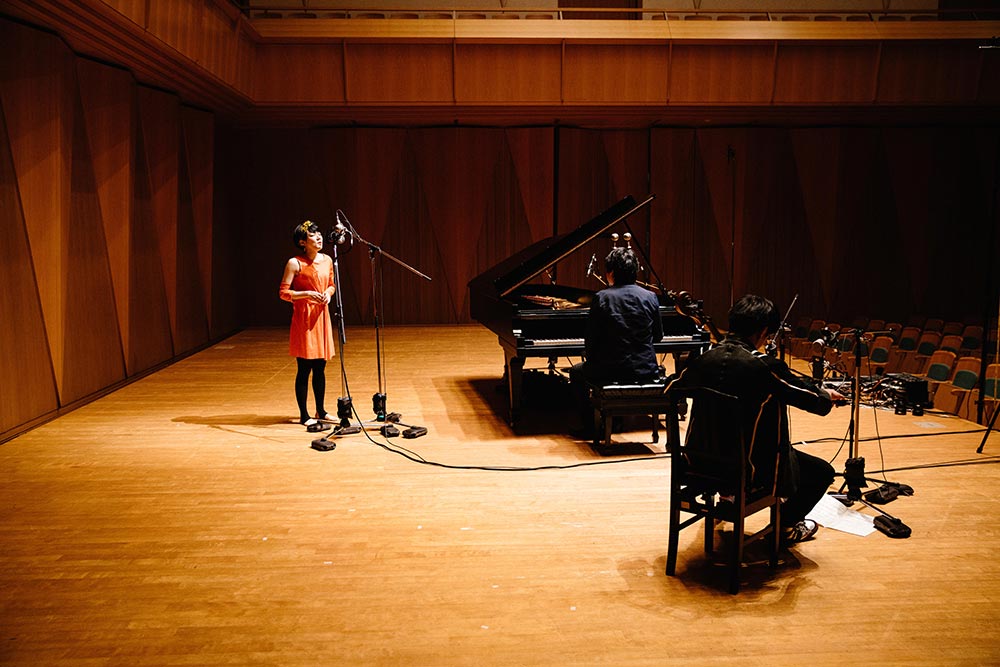
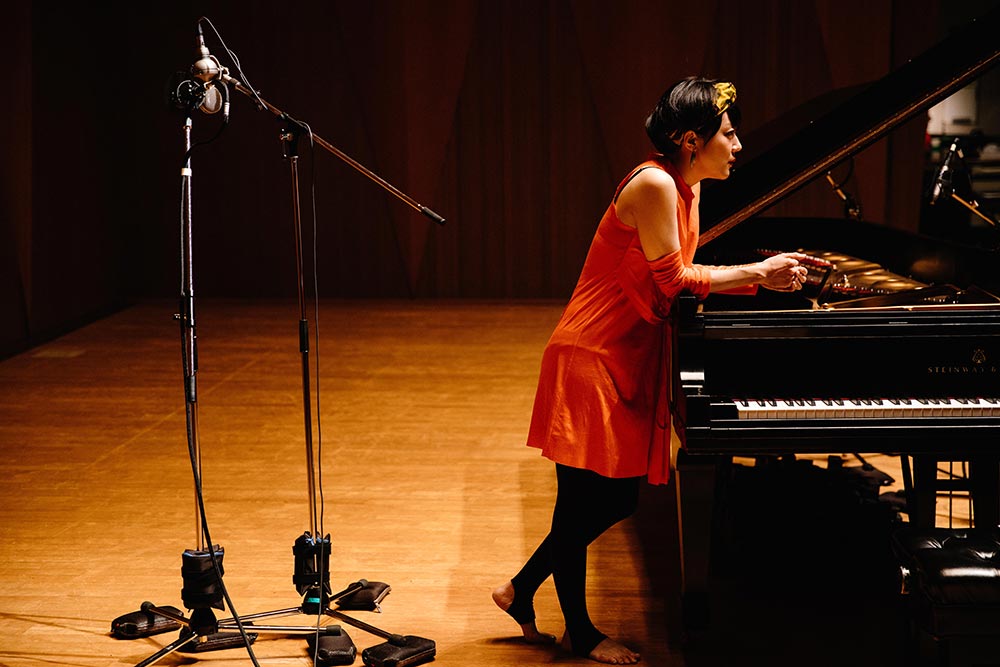
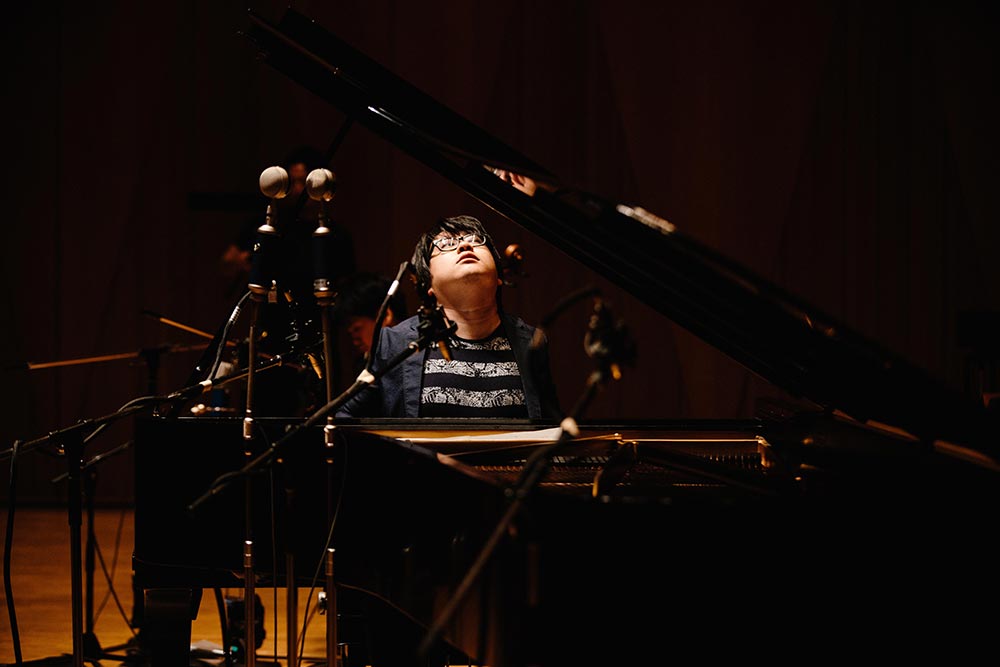
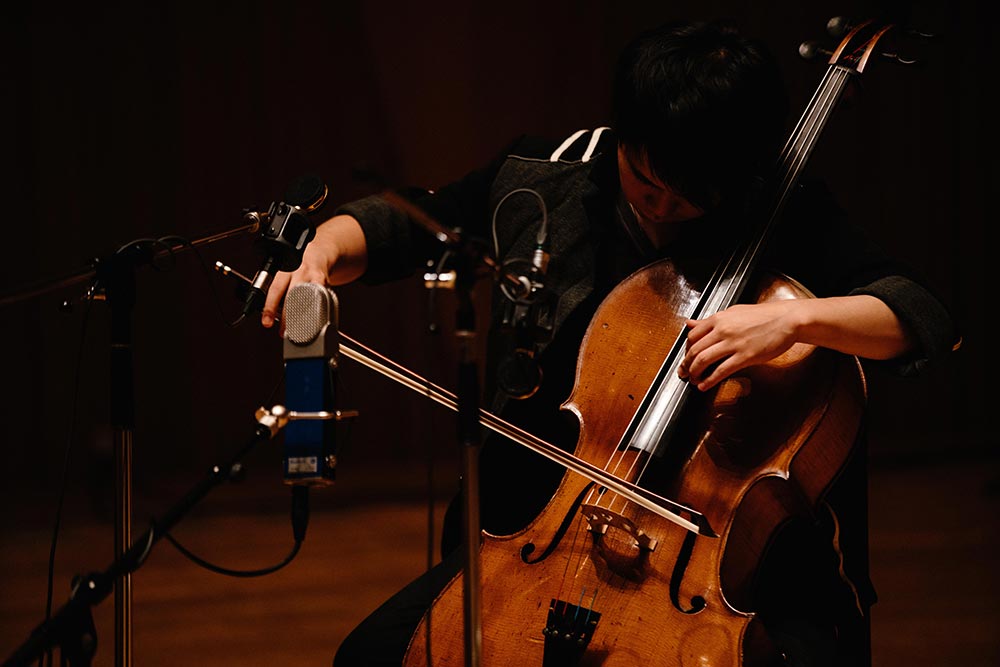
Photo: Ryo Mitamura
