
Nostalgie du Futur “Harmonia”
Nostalgia of the Future – Harmonia
Mana Fukui
An experimental recording that captures the harmony between cultures, eras, and worlds.
Nostalgia of the Future: A New Chapter
Harmonia, the latest entry in the Nostalgia of the Future series, is a two-part work that takes “harmony” as its theme and seeks to connect disparate worlds.
The previous three-part work, Nostalgia of the Future – Japonism, explored the cultural interplay between Japan and France, and between East and West, in the 19th and 20th centuries through the works of Debussy, Ravel, and Toru Takemitsu.
In this two-part work, Nostalgia of the Future – Harmonia, the first album, Nostalgia of the Future – Harmonia I, features a complete piano solo recording of Mussorgsky’s Pictures at an Exhibition, a musical depiction of the composer’s impressions of paintings. It expresses the national identity of 19th- to 20th-century Russia, the musical harmony born from the intersection of East and West, and the harmony between two different forms of expression: painting and music.
The second album, Nostalgia of the Future – Harmonia II, features Reich’s Six Pianos, Rachmaninoff’s Vocalise, and Mozart’s Ave verum corpus (arr. Liszt). In Six Pianos, the six instruments are arranged in a circle, with one pianist building up multi-layered sounds through multitrack recording. The listener feels as if they are positioned in the center of the circle, experiencing the dynamic harmony of opposing elements such as order and fluctuation, and activity and passivity, as they resonate with one another.
The two-part Nostalgia of the Future – Harmonia blurs the boundaries of relationships such as contrast, opposition, distance, and fusion, bringing together different styles, eras, and ideas, and inviting us on a journey to discover new possibilities for harmony.
Throughout the Nostalgia of the Future series, intersections between eras and art are depicted through three elements: Japonism, which spread through the West at the end of the 19th century; the works of avant-garde composers of the same period; and the works of later composers whom they inspired.
Following on from Nostalgia of the Future – Japonism‘s three parts, Vol. 1 – Japonism, Vol. 2 – The Orient and Japan, and Vol. 3 – A Collection of Little Masterpieces, the series continues to unfold with Nostalgia of the Future – Harmonia, consisting of Vol. 4 – Harmonia I and Vol. 5 – Harmonia II
Vol. 4 – Harmonia I features a complete piano solo performance of Pictures at an Exhibition, a work by Russian composer Mussorgsky, who lived during the same era in which Japonism was sweeping across Europe.
Vol. 5 – Harmonia II includes recordings of Reich’s Six Pianos, a work that employs multitrack recording in which six pianos are arranged in a circle, Rachmaninoff’s Vocalise, and Mozart’s Ave verum corpus (arr. Liszt).
From Nostalgia of the Future – Japonism to Nostalgia of the Future – Harmonia, experience the interweaving of different cultures and eras across all five albums.
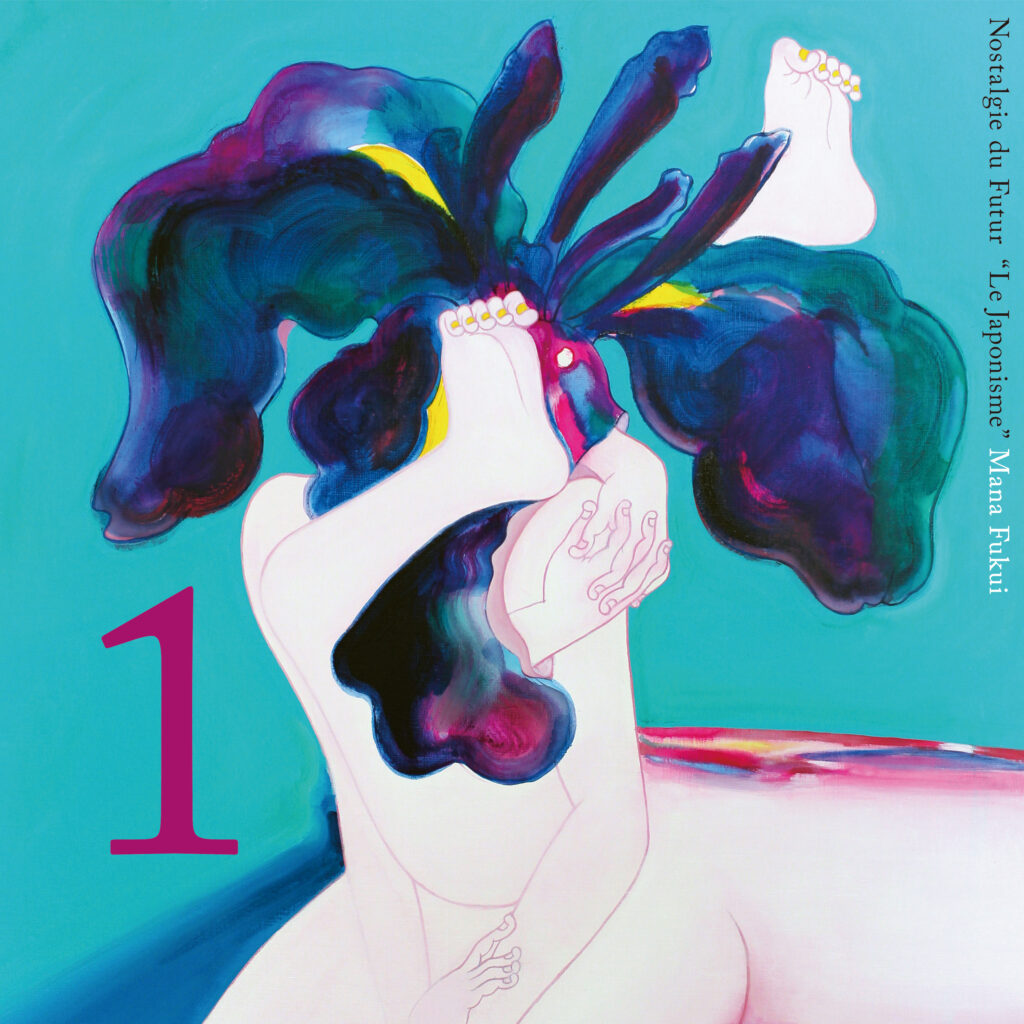
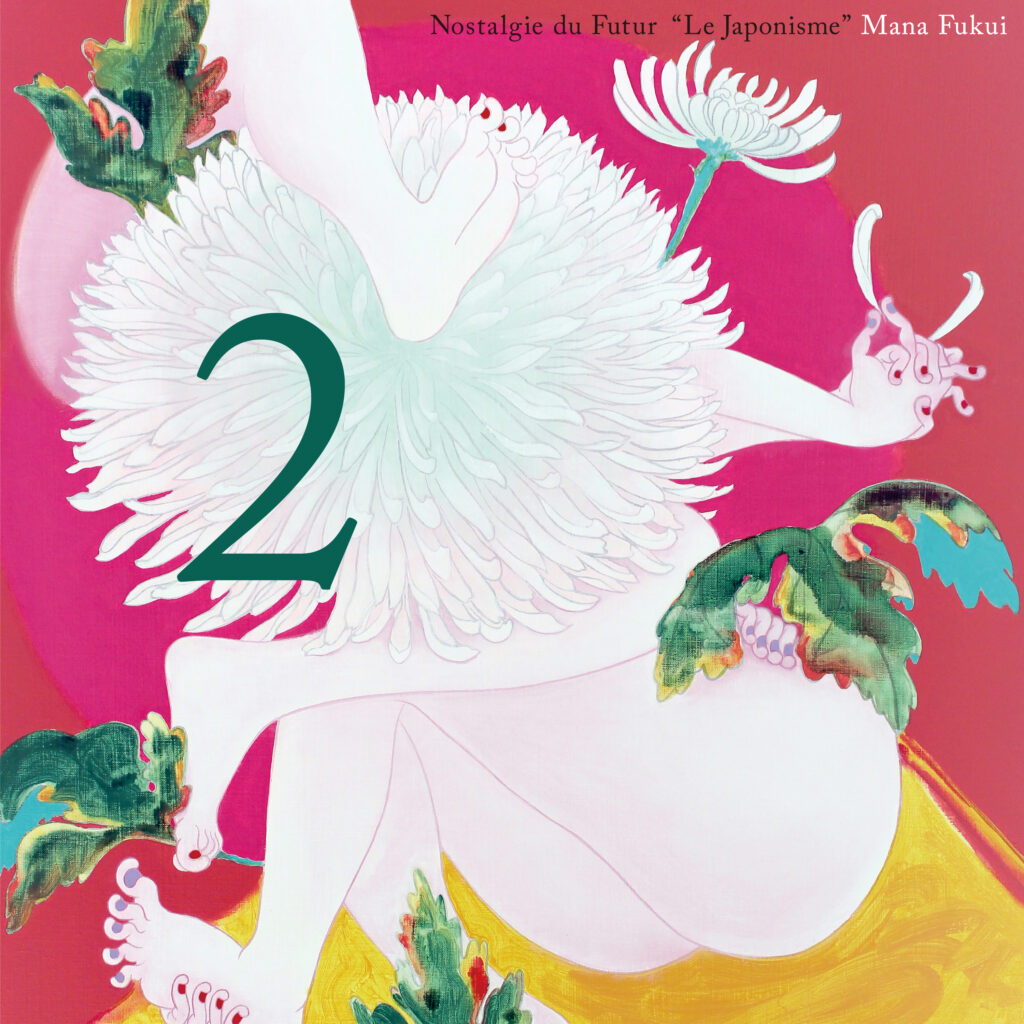
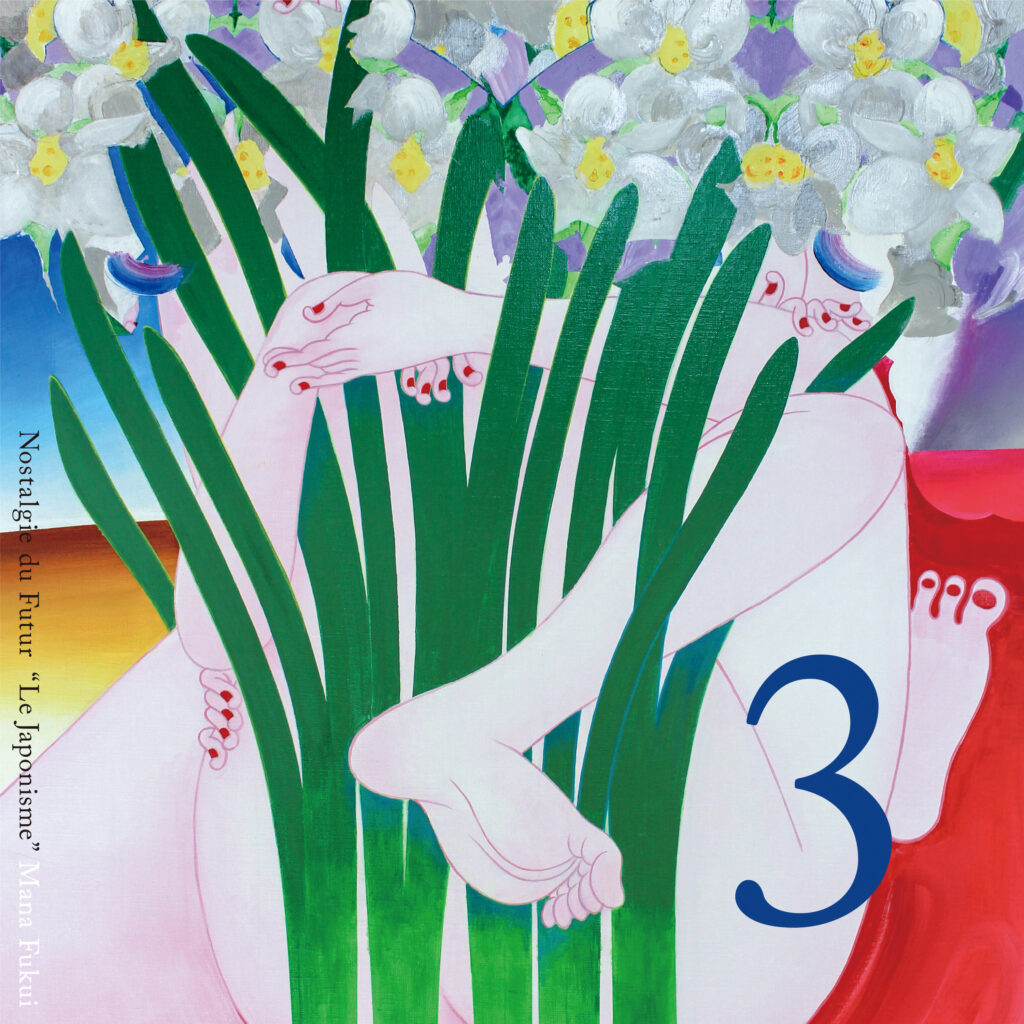
Nostalgia of the Future – Japonism
Pianist Mana Fukui’s Nostalgia of the Future consists of five works: the Nostalgia of the Future – Japonism trilogy, comprising Vol. 1 through Vol. 3, and the two-part Nostalgia of the Future – Harmonia.
Nostalgia of the Future – Japonism features works by composers influenced by “Japonism,” including Debussy, Scriabin, and Szymanowski, as well as pieces by Toru Takemitsu, whose music strongly reflects the tradition of French composers such as Debussy and Messiaen. This exquisite collection of works is themed around Japonism and embraces French music, the Orient, and the blending of East and West.
We recommend listening to it alongside Nostalgia of the Future – Harmonia.
In ancient Greece, the nine goddesses who presided over the arts were known as the Muses (Μούσες).
These nine sisters, born to the almighty god Zeus and Mnemosyne, the goddess of memory, symbolized dance, music, theater, poetry, astronomy, and other disciplines.
The fact that the arts were the progeny of the goddess of memory is a reminder that the roots of artistic creation lie in the memories and wisdom passed down by humankind. The existence of these nine sisters also hints at the essential interconnectedness of music, dance, and other disciplines.
Throughout history, humanity has sought to reach the pinnacle of knowledge within each field. While this has led to mastery and a deep understanding of specific fields, it has also had the downside of limiting the exchange of ideas between disciplines.
Now is the era in which we must reexamine the importance of dialogue between diverse disciplines of culture, art, and academia, as well as the synergy it can lead to. This may signify the end of fragmentation between different disciplines and the creation of synergy born from the fusion of knowledge and culture.
Mussorgsky’s Pictures at an Exhibition was inspired by the paintings of a late friend, while Reich’s Six Pianos expresses the principles of the universe through philosophy, mathematics, and music.
These works, infused with wisdom passed down through generations, embody the artistic heights that only humanity can reach. They do not arise from AI’s constructed databases, but from humankind’s multilayered and interconnected approach to art, and it is this that we pass on to future generations as we present Nostalgia of the Future – Harmonia, based around the theme of harmony, a challenge from those of us living today.
Mana Fukui (Pianist and Curator of this Collection)
Nostalgie du Futur “Harmonia”
– Nostalgia of the Future – Harmonia –
Mana Fukui
Date and Location of Recording: Jan. 11-14 and May 16-19, 2024, in Yatsugatake Yamabiko Hall
Stereo and Dolby Atmos versions of this collection can be enjoyed on all types of music subscription services.
*Services that provide this collection are subject to change at the distributor’s discretion.
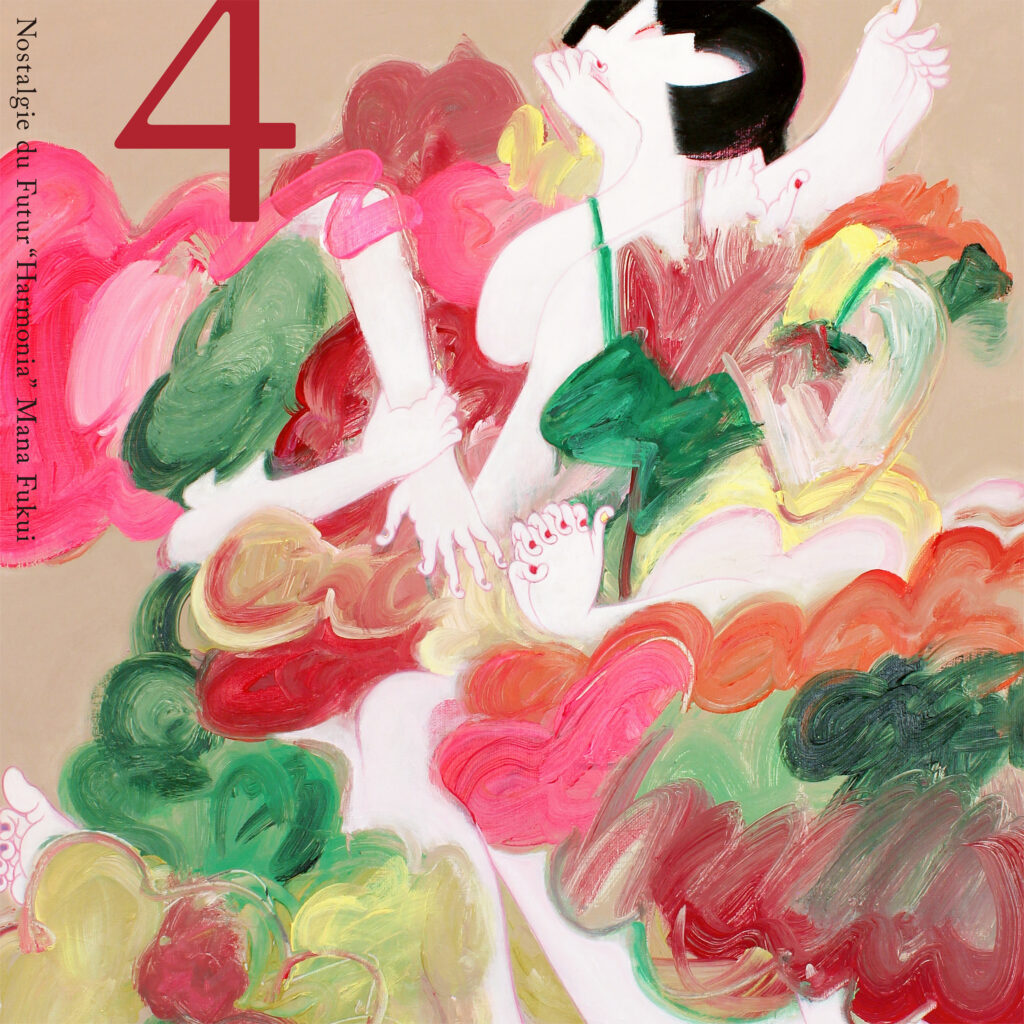
Vol.4
Nostalgia of the Future – Harmonia I
Nostalgie du Futur “Harmonia I”
Vol. 4 – Harmonia I features a complete piano solo performance of Mussorgsky’s Pictures at an Exhibition.
Pictures at an Exhibition was composed by the Russian composer Mussorgsky during the same period in which Japonism was sweeping across Europe.
The unique expression found in Mussorgsky’s work cannot be fully understood within the framework of Western harmonics or musicology. It is clear that such a work was born from the soil of Russia, a land situated between East and West.
Pictures at an Exhibition expresses impressions of paintings through music, and is a masterpiece that combines an indigenous might evocative of vast open landscapes with a sense of grandeur. It transcends the boundaries of disparate worlds—East and West; painting and music—and the grand expansiveness born from this fusion can be understood as a prayer for peace.
Track List
| 1 | Pictures at an Exhibition: Promenade I | Modest Mussorgsky |
| 2 | Pictures at an Exhibition No. 1: The Gnome | Modest Mussorgsky |
| 3 | Pictures at an Exhibition: Promenade II | Modest Mussorgsky |
| 4 | Pictures at an Exhibition No. 2: The Old Castle | Modest Mussorgsky |
| 5 | Pictures at an Exhibition: Promenade III | Modest Mussorgsky |
| 6 | Pictures at an Exhibition No. 3: Tuileries (Children’s Quarrel after Games) | Modest Mussorgsky |
| 7 | Pictures at an Exhibition No. 4: Bydlo | Modest Mussorgsky |
| 8 | Pictures at an Exhibition: Promenade IV | Modest Mussorgsky |
| 9 | Pictures at an Exhibition No. 5: Ballet of Unhatched Chicks | Modest Mussorgsky |
| 10 | Pictures at an Exhibition No. 6: Samuel Goldenberg and Schmuyle | Modest Mussorgsky |
| 11 | Pictures at an Exhibition: Promenade V | Modest Mussorgsky |
| 12 | Pictures at an Exhibition No. 7: Limoges: The Market Place | Modest Mussorgsky |
| 13 | Pictures at an Exhibition No. 8: Catacombs – With the Dead in a Dead Language | Modest Mussorgsky |
| 14 | Pictures at an Exhibition No. 9: The Hut on Fowl’s Legs (Baba Yaga) | Modest Mussorgsky |
| 15 | Pictures at an Exhibition No. 10: The Great Gate of Kiev | Modest Mussorgsky |
 Listen on Apple Music
 Listen on Amazon Music
 Listen on Spotify
 Listen on YouTube Music
Vol.5
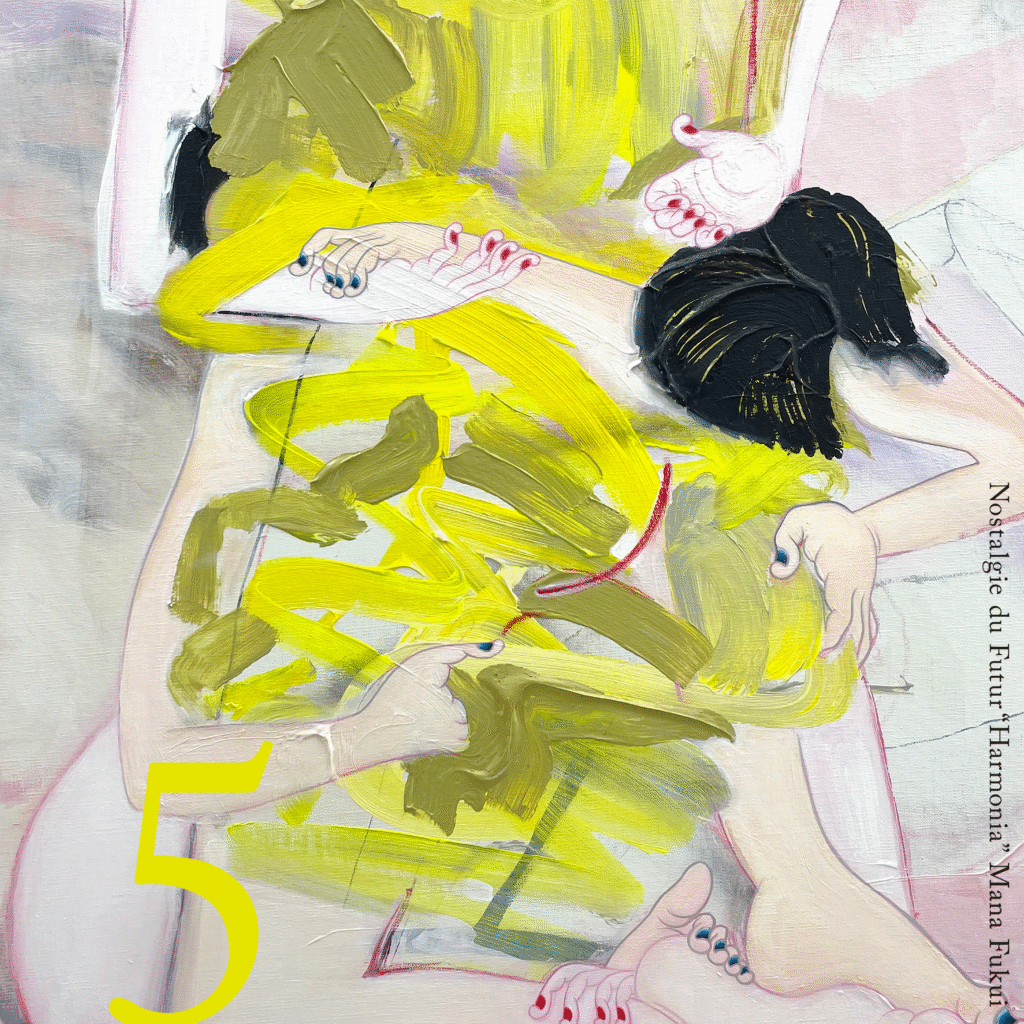
Nostalgia of the Future – Harmonia II
Nostalgie du Futur “Harmonia II”
Vol. 5 – Harmonia II features recordings of Steve Reich’s Six Pianos, Rachmaninoff’s Vocalise, and Mozart’s Ave verum corpus as arranged by Liszt.
In Six Pianos, the six instruments are arranged in a circle, with one pianist building up multi-layered sounds through multitrack recording. The stereo image produced by the precise synchronization and delicate fluctuations allows the listener to tangibly experience the moment at which opposing elements harmonize to form a single world. It is a strange sensation, akin to becoming one with space through self-dissolution. Particularly in spatial audio, the listener can feel the sensation of standing in the center of the circle, enveloped in sound in an immersive experience.
Vocalise evokes the breath of the earth, of nature, and of human activity. On the other hand, Ave verum corpus embodies the purity of religious spirituality, radiating transparent, sublime resonance. By juxtaposing these two works, the realms of earth and heaven correspond, presenting a unified worldview for the entire album that makes it worthy of the title “Harmonia.”
Track List
| 1 | Six Pianos | Steve Reich |
| 2 | Vocalise (Arr. Yoshiyasu Hisamatsu) | Sergei Rachmaninoff |
| 3 | Ave verum corpus (Arr. Franz Liszt) | Wolfgang Amadeus MozartWolfgang Amadeus Mozart |
©Leo Kuroyanagi
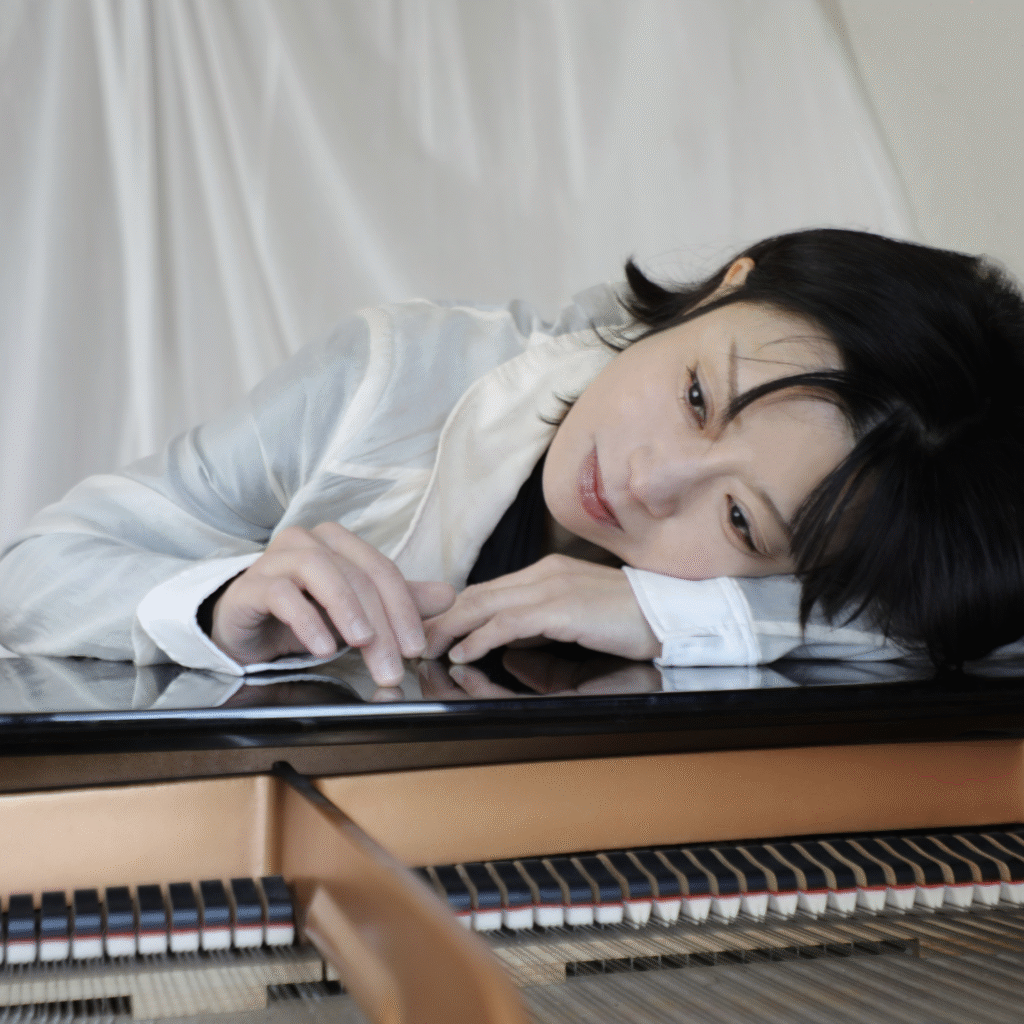
Mana Fukui
Piano
While enrolled in the piano course at the Toho Gakuen School of Music, she studied in Moscow under Assanetta Gavrilov. After graduating from Toho Gakuen, Fukui graduated from the piano course and accompaniment course at the music conservatory in Paris’s 17th arrondissement, earning First Prize unanimously in her examination. Since then, Fukui has provided instruction to chamber music and vocal classes at a conservatory in Clamart, as well as teaching the next generation of pianists at a conservatory in Charenton-le-Pont.
Fukui is also actively engaged with contemporary music and regularly takes part in the contemporary music festival Musique de Notre Temps. In addition, she is highly regarded for her advanced sight-reading skills and extensive chamber music repertoire, earning her a position as a judge and official accompanist for le diplome d’etudes musicales (the French national music certification), as well as numerous international music festivals and competitions. During that time, she also performed in Paris and throughout Europe, mainly focusing on recitals and chamber music.
After returning to Japan in 2015, she poured her energy into performing and held a widely praised solo recital in 2018 at Tokyo Opera City. Since 2022, she has used her extensive experience in chamber music to start a chamber music series as the musical director, which has received very positive reviews. She is currently proactively engaged in a wide range of work, from creating music for commercials to collaborating with dance and film productions.
In 2025, she performed Ravel’s Piano Concerto in G major with the Tokyo Philharmonic Orchestra at NHK Hall as part of NHK’s “Ballet no Kyoen,” to great acclaim.
Hideo Irimajiri
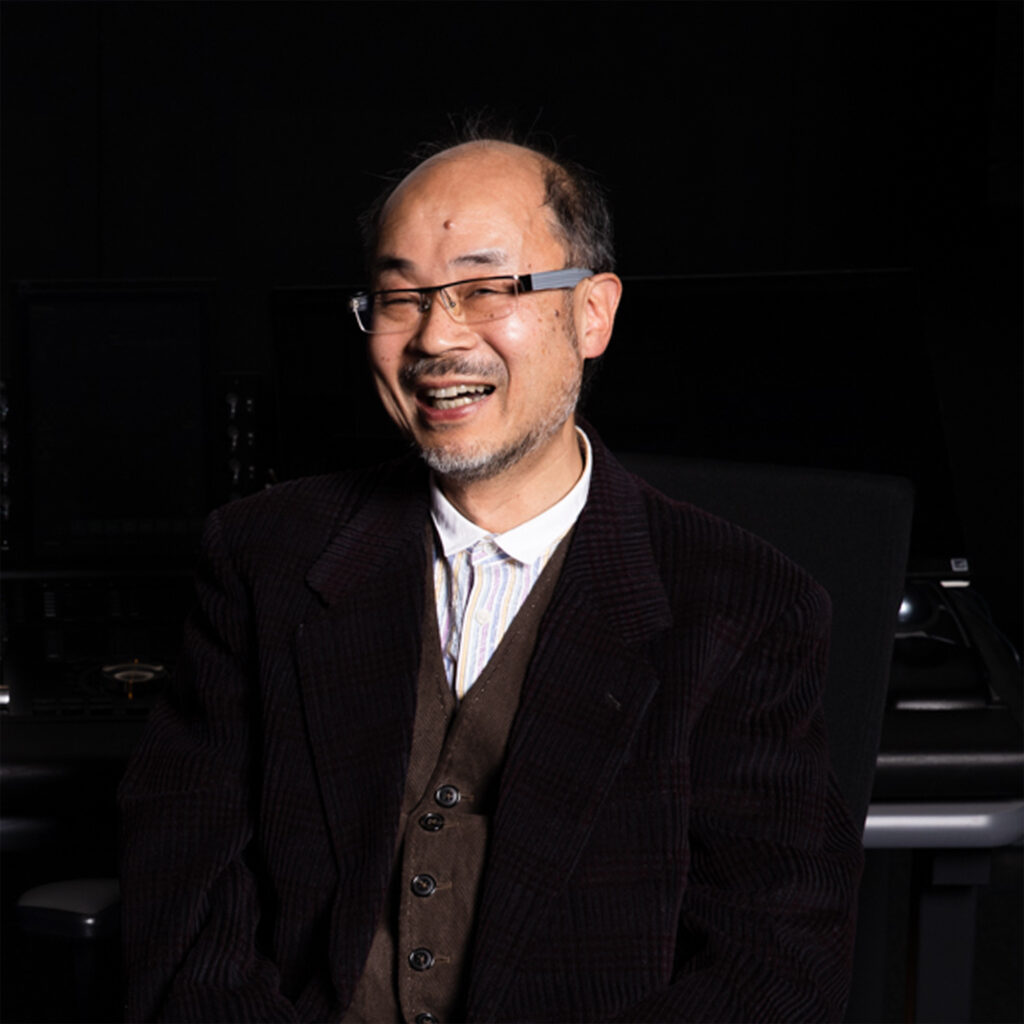
RME Premium Recordings
Music Director/Executive Producer
Born in 1956. Graduated from the Kyushu Institute of Design’s Department of Acoustic Design in 1979 and graduated from the same school’s graduate program in 1981. Irimajiri acquired a doctorate in reverberation research in 2013 and joined Mainichi Broadcasting System, Inc. in 1981, subsequently working in the Video Technology Department, Audio Technology Department, Hall Technology Department, Post Production Department, and Mastering Department. Since 2017, Irimajiri has worked at WOWOW Inc. on developing technology and business for producing immersive audio. In 2025, Irimajiri started the Irimajiri Immersive Audio Research Lab and established the Naramachi Studio. He is currently the music director at RME Premium Recordings.
In 1987, Irimajiri was involved in developing the broadcast industry’s first high school baseball sound broadcast project. In 2005, Irimajiri also engaged in researching the volume issue in broadcasting, was an ARIB committee member, and worked on standardization as a committee member of the Japan Commercial Broadcasters Association. Irimajiri has worked on sound recording since his school days, focusing particularly on 4-channel recordings and spatial acoustics. He is currently developing technology for 3D audio recordings, while also enthusiastically working on production and promotion activities.
2021: Isao Tomita “The Tale of Genji: Symphonic Fantasy” (Grand Prize Winner of the Japan Professional Music Recording Award)
2021: Bob James “Feel Like Making Live” UHD BD
2024: MR. BIG “The BIG Finish Live” UHD BD
Irimajiri also personally produces his own music under the name Jiro Irima, working on the opening theme for the National High School Rugby Tournament at Hanazono, the PC game Record of Lodoss War, and more.
Recording Information
Recording Dates: January 11–14 and May 16–19, 2024
Recording Location: Yatsugatake Yamabiko Hall, Hokuto City, Yamanashi Prefecture
Credits
General Producer: Seiji Murai (Synthax Japan)
General Music Director & Recording Engineer: Hideo Irimajiri (Synthax Japan)
Piano Performance & Album Curation: Mana Fukui
Video Director: Leo Kuroyanagi (IRISS Inc.)
Artist Relations: Michiko Tatsumi (Muan-sha)
Bösendorfer Tuning: Jun Terunuma
Album Commentary: Yudai Majima (Music Critic)
Web Producer: Yutaka Yuasa(Synthax Japan)
Venue Manager & Marketing Director: Kaori Terasawa (Synthax Japan)
Engineering: Katsutaka Suzuki (Synthax Japan)
Creative Director: Nao Masaki
Artist Paint: Shinichi Kaneko
English Website Production
Producer: Junko Yoshii
Programmer: Chieko Taguchi
Special Thanks
Joji Funaki, Sachiko Kawano, Tatsushi Omori,Kanji Murai(Genelec Japan)
